
News & Field Updates
Everything from our teams in one feed — research findings, field reports, and conservation news.
BryantTurffs.jpg)
259 Key Shark and Ray Habitats Mapped Across North America
MMF scientists contributed to four newly recognized habitats for the Atlantic manta ray in Florida and the Gulf of Mexico, part of a new map of 259 Important Shark and Ray Areas.
Read the story259 Key Shark and Ray Habitats Mapped Across North America
MMF scientists contributed to four newly recognized habitats for the Atlantic manta ray in Florida and the Gulf of Mexico, part of a new map of 259 Important Shark and Ray Areas.
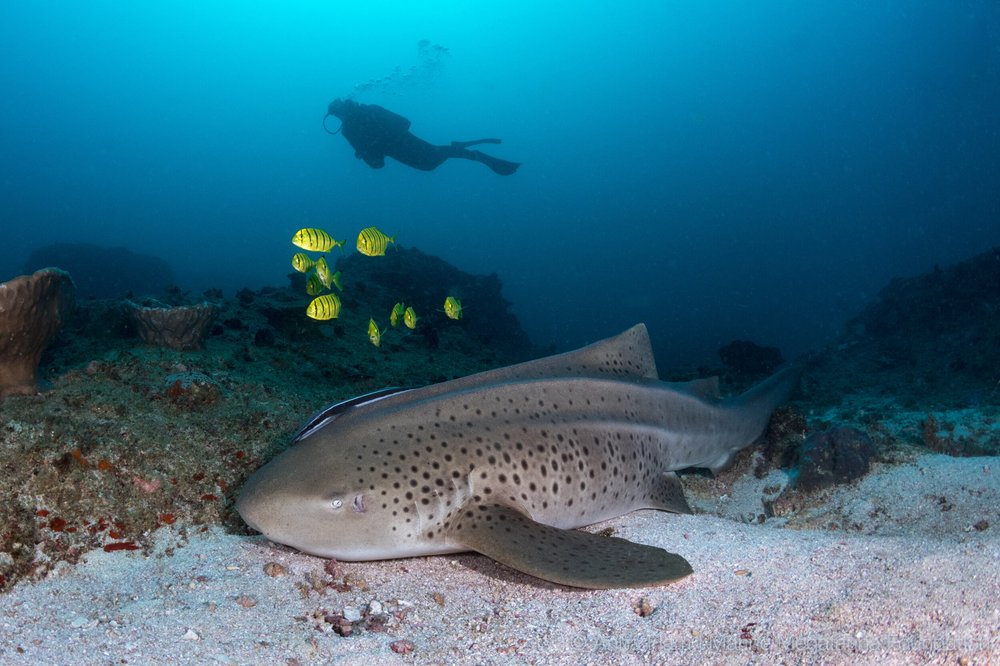
Fourteen Years of Surveys Map Mozambique's Leopard Sharks
A study led by Jule Buschmann of All Out Africa and co-authored by MMF's Nilza de Catarina and Anna Flam identifies key reefs and seasons for leopard sharks in southern Mozambique, and how divers can avoid disturbing them.
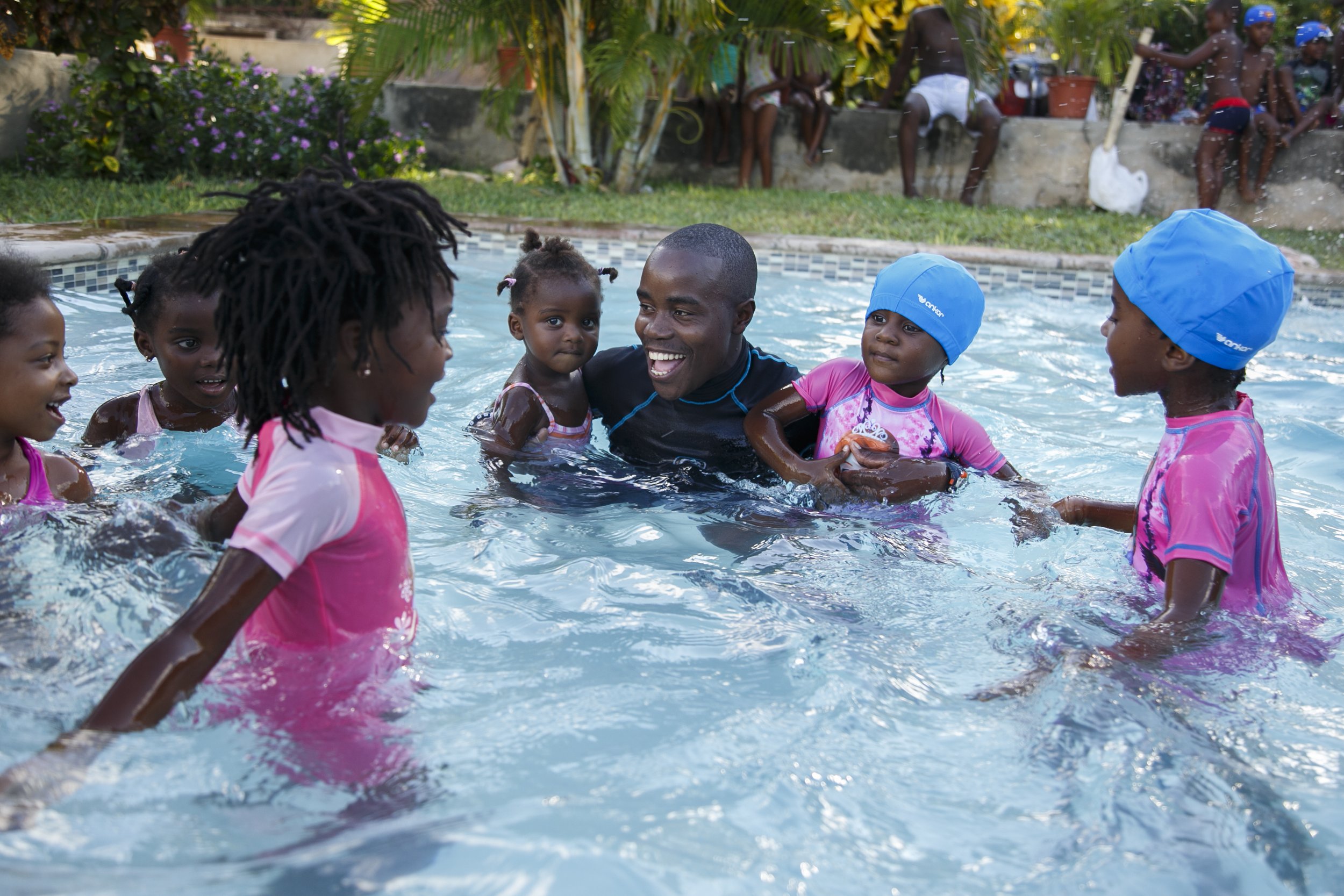
Ocean Guardians Opens a Sixth Site in Vilanculos
MMF's Ocean Guardians education program has opened at Escola de Mahaque in Vilanculos, Mozambique, where 149 children are now learning about the ocean their families live from.
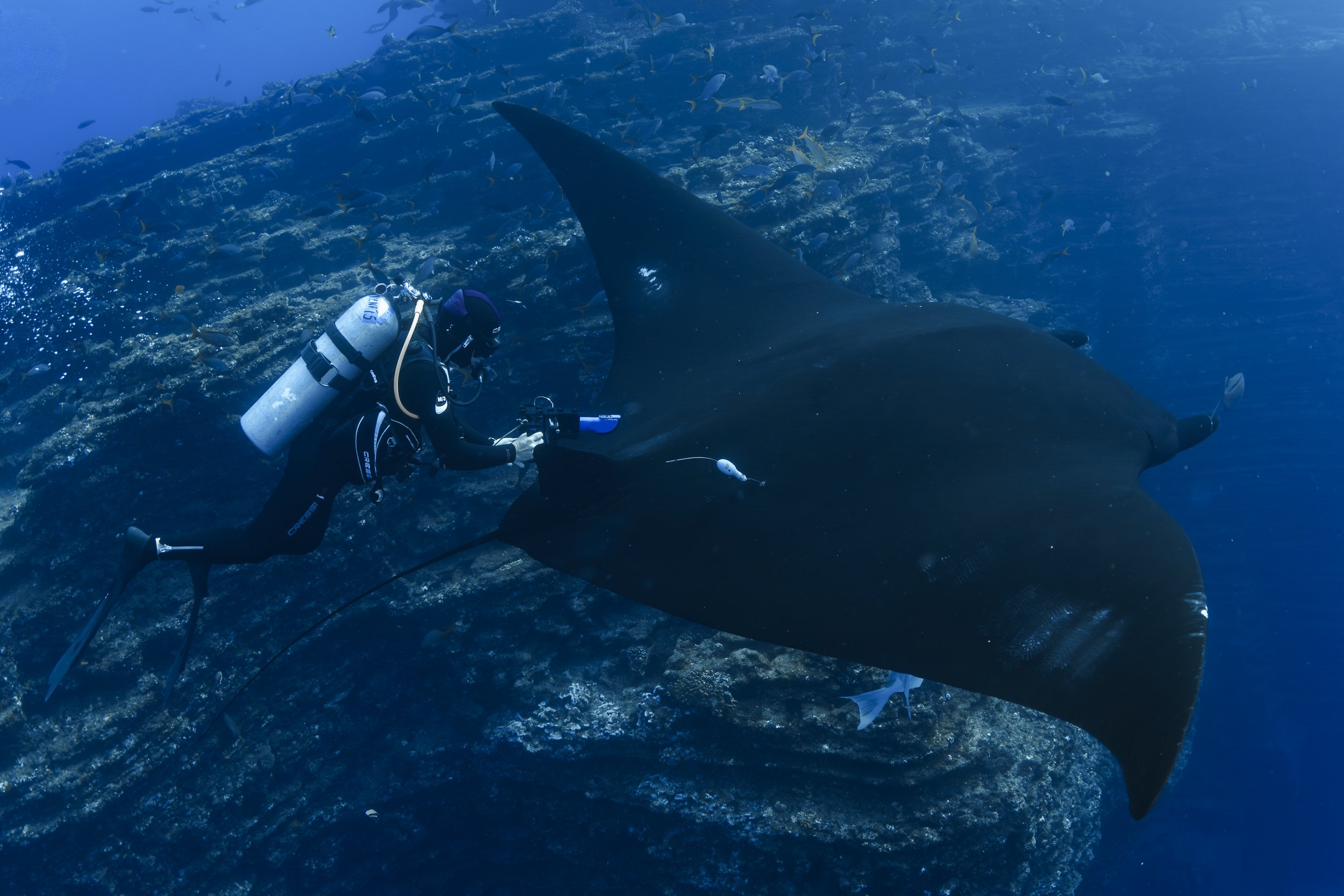
Underwater Ultrasound Confirms Pregnancy in Wild Giant Manta Rays
A new study led by Dr. Madalena Cabral and co-authored by MMF's Jessica Pate used a contactless underwater ultrasound to confirm pregnancy in three free-swimming oceanic manta rays in Mexico.
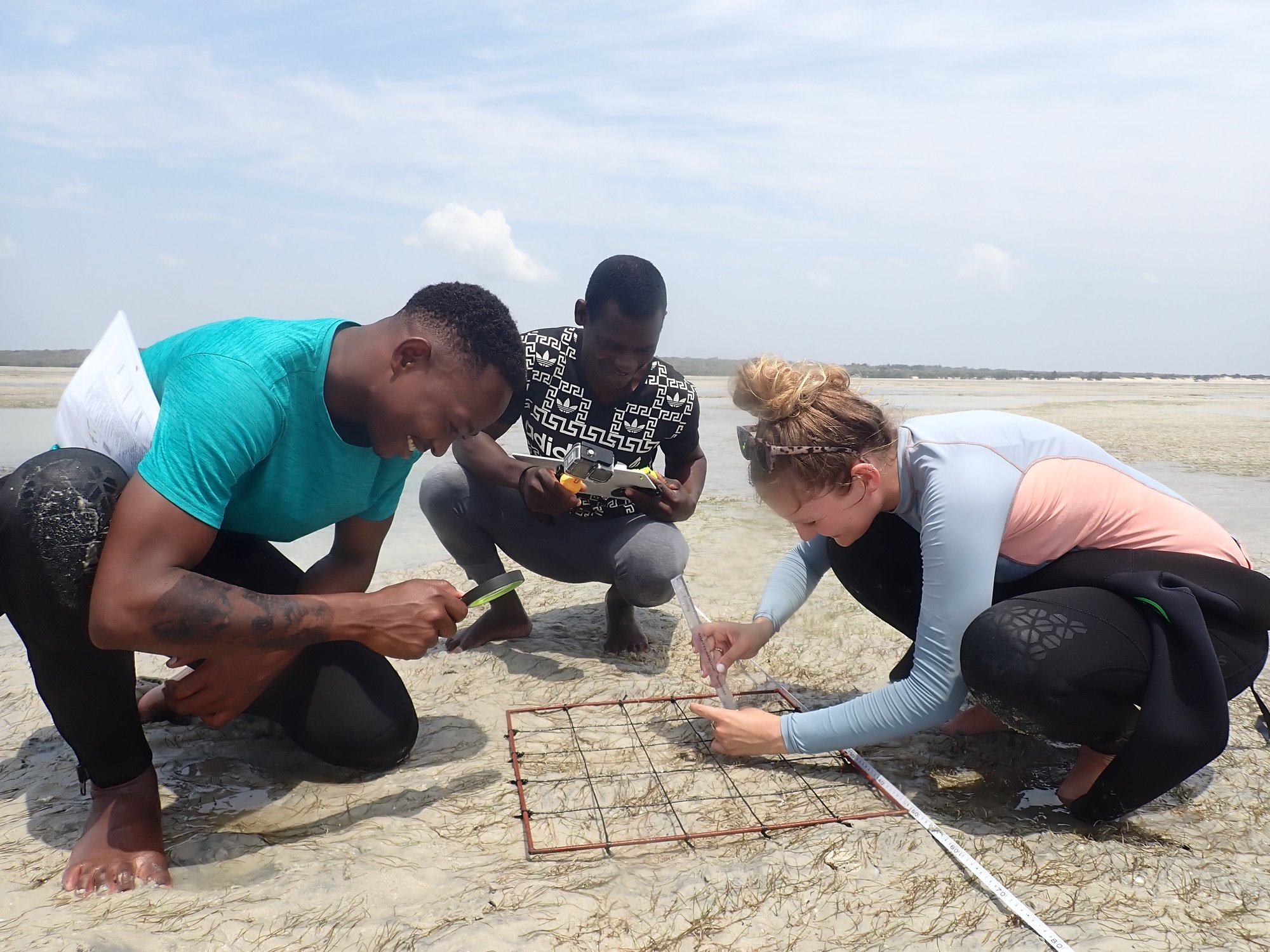
Saving the Western Indian Ocean's last viable population of dugongs
A community-driven project led by the Marine Megafauna Foundation is protecting Mozambique's last viable dugong population by helping local fishers move from destructive fishing to sustainable farming.
Mapping the Sharks That Cross Australia's Borders
A University of Queensland-led study co-authored by MMF's Chris Rohner and Simon Pierce maps the sharks that cross Australia's borders and reveals major gaps in tracking research.
.jpg)
Indian Ocean Tuna Fleets Urged to Release Whale Sharks
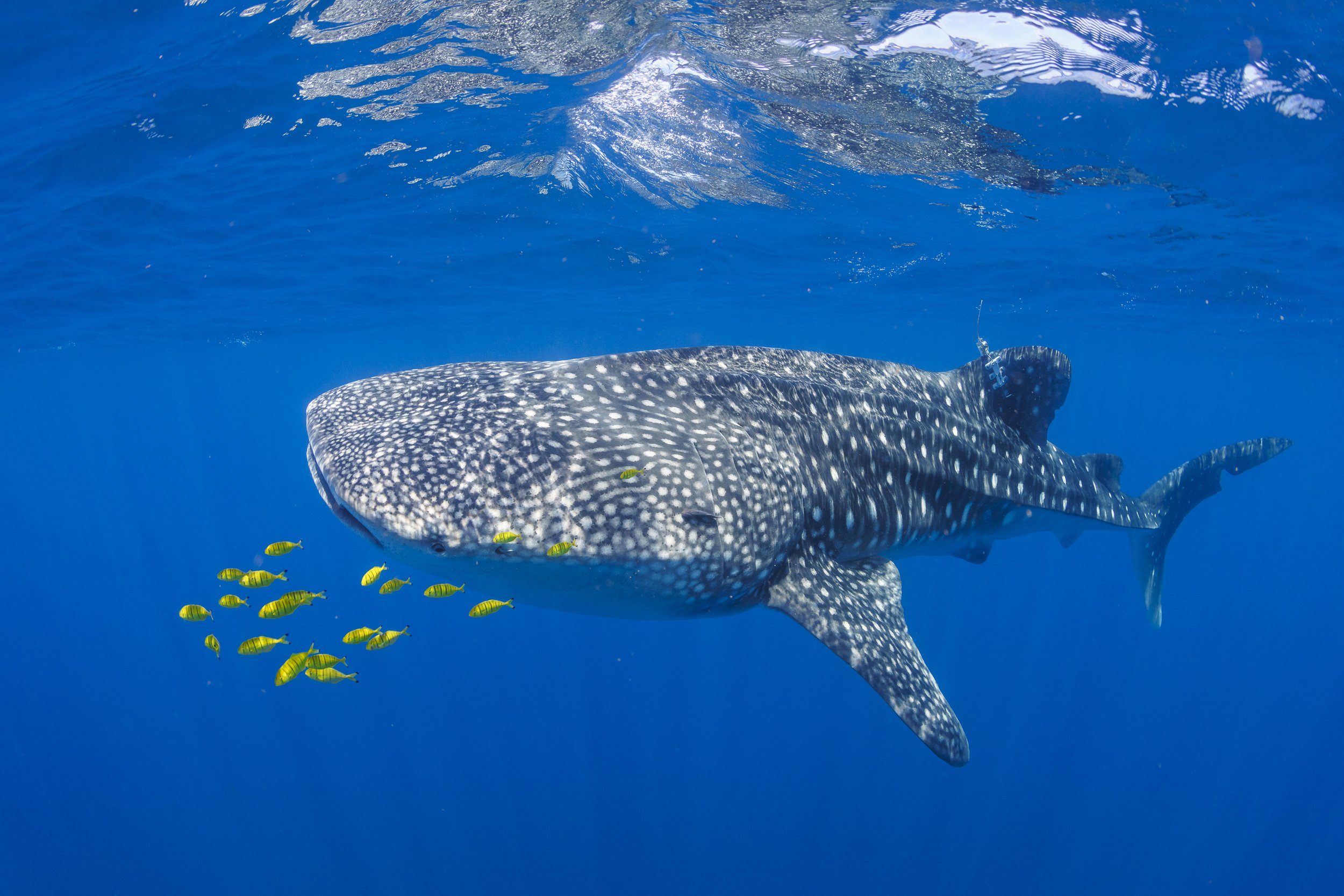
A paper led by James Bell and co-authored by MMF's Dr. Simon Pierce makes the case for a ban on keeping whale sharks caught in Indian Ocean tuna fisheries.
Reef Manta Rays Cross National Borders in Southern Africa
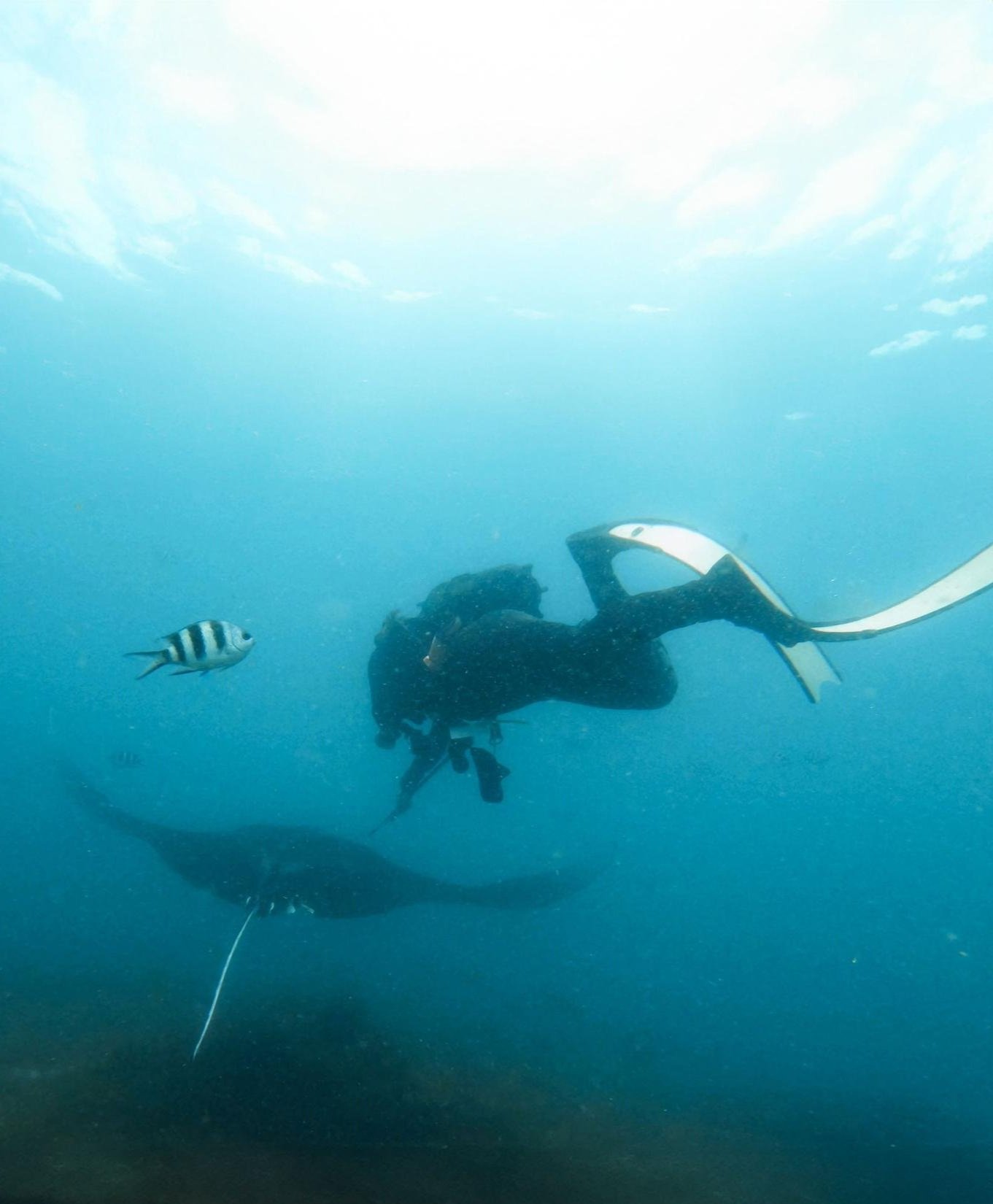
A new tracking study led by MMF's Dr. Nakia Cullain shows that about 30% of the reef manta rays it followed crossed between Mozambique and South Africa.
Where Polar Sharks and Rays Need Better Protection
A study led by Vanessa Bettcher and co-authored by MMF's Dr. Chris Rohner compares key Arctic and Antarctic habitats for sharks, rays, and chimaeras with fishing and marine protection.
Little of Asia's Key Shark and Ray Habitat Is Protected
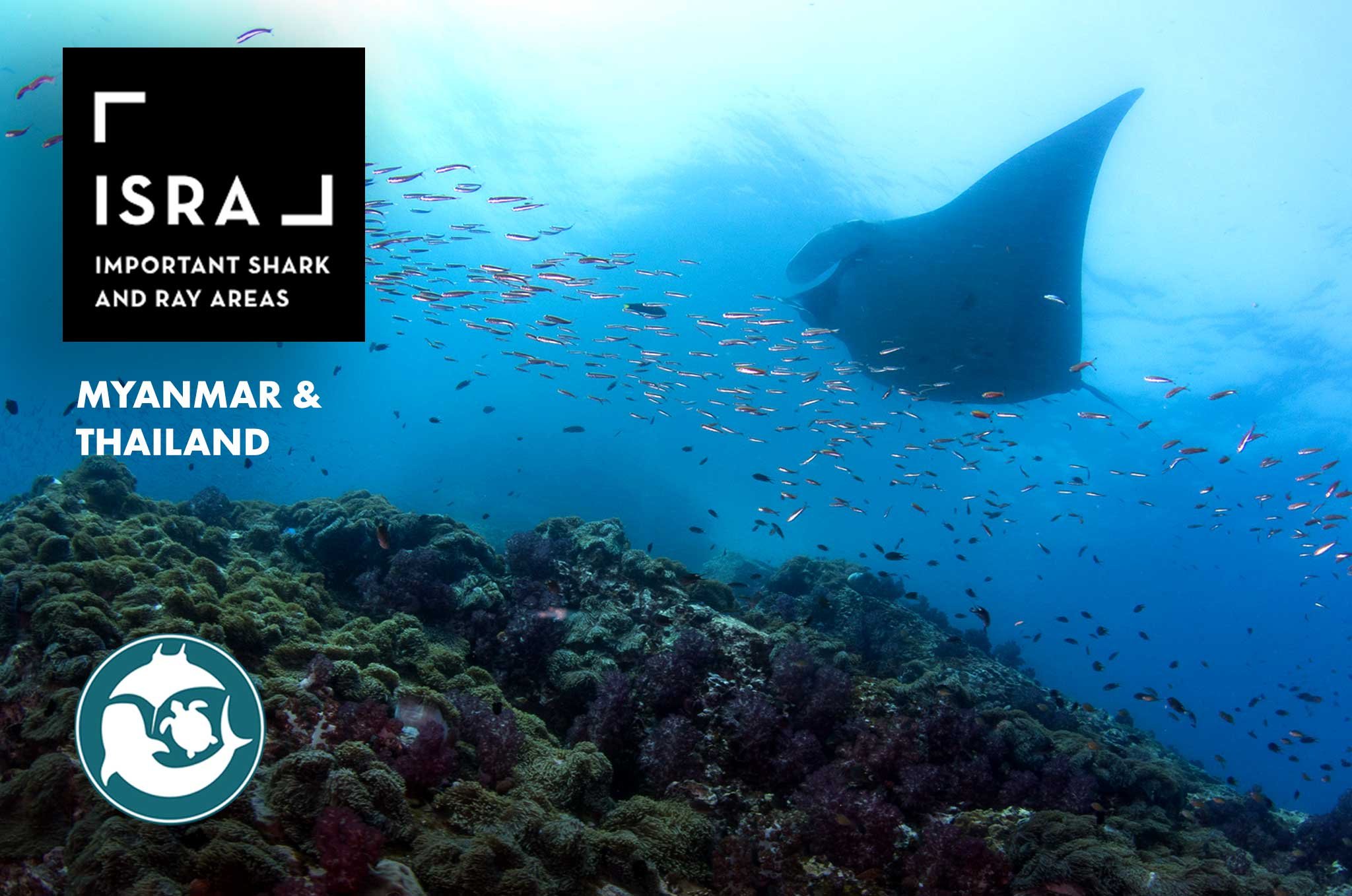
A study led by Adriana Gonzalez-Pestana and co-authored by five MMF scientists finds that fishing is banned in only 2.8% of the critical shark and ray habitat mapped across Asia.
Bazaruto Is Both Home and Waypoint for Bull Sharks
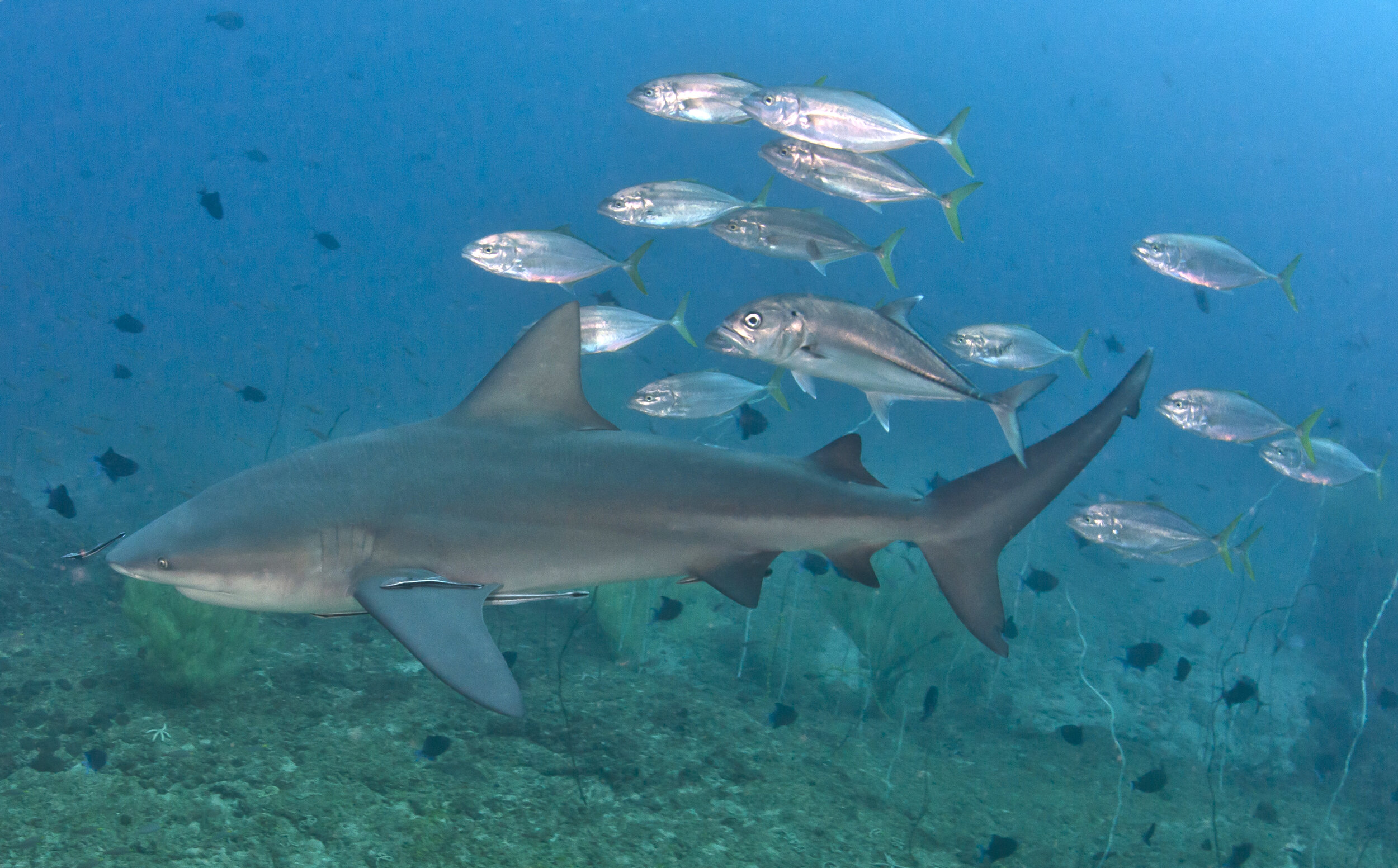
A tracking study led by MMF's Dr. Stephanie Venables shows that some adult bull sharks are based in Mozambique's Bazaruto Seascape, while others stop in briefly on long journeys along the coast.
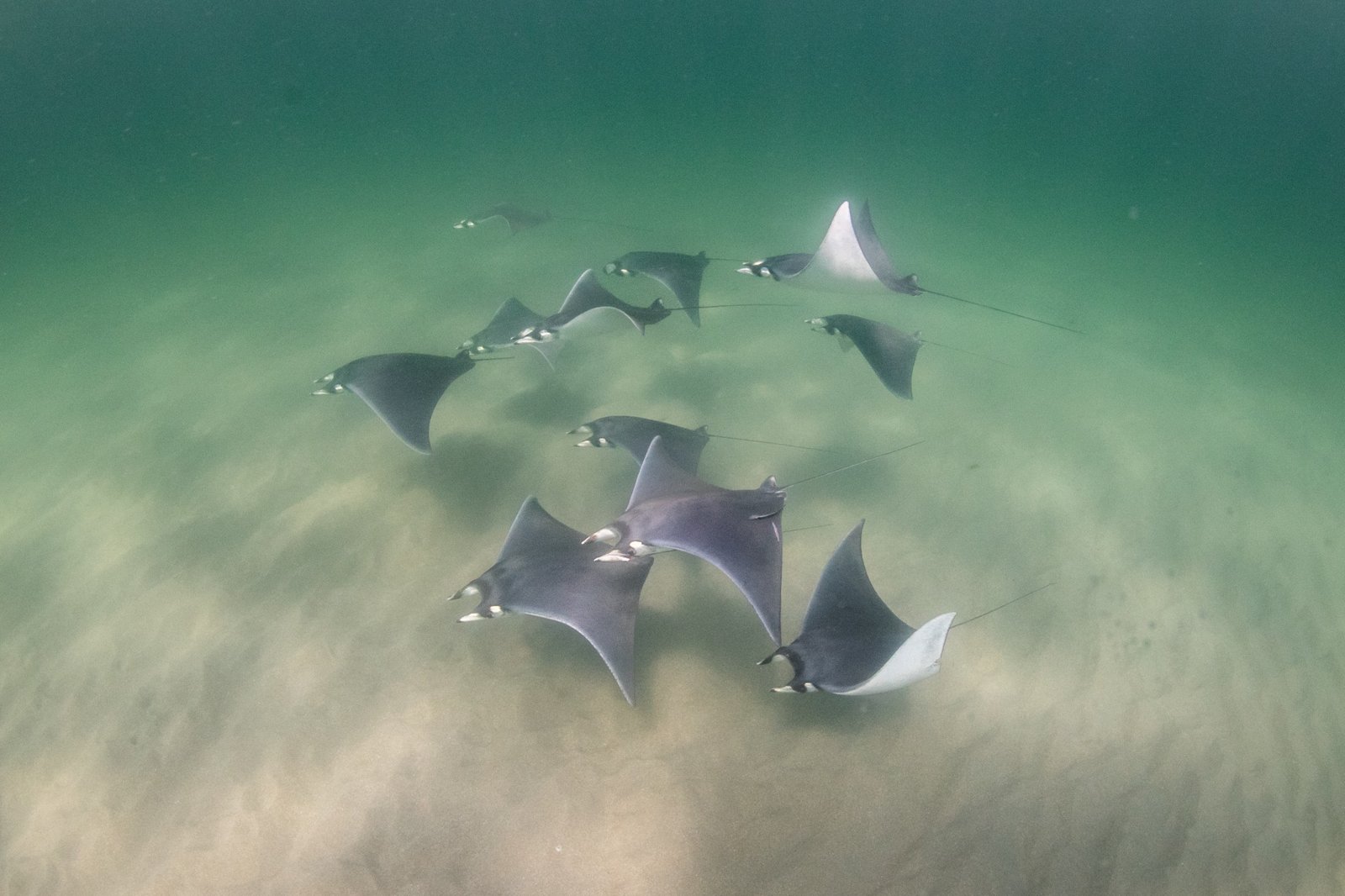
Mapping the Endangered Atlantic Pygmy Devil Ray
A study led by Atlantine Boggio-Pasqua and co-authored by MMF's Jessica Pate clarifies how to identify the Atlantic pygmy devil ray and maps where it has been recorded.
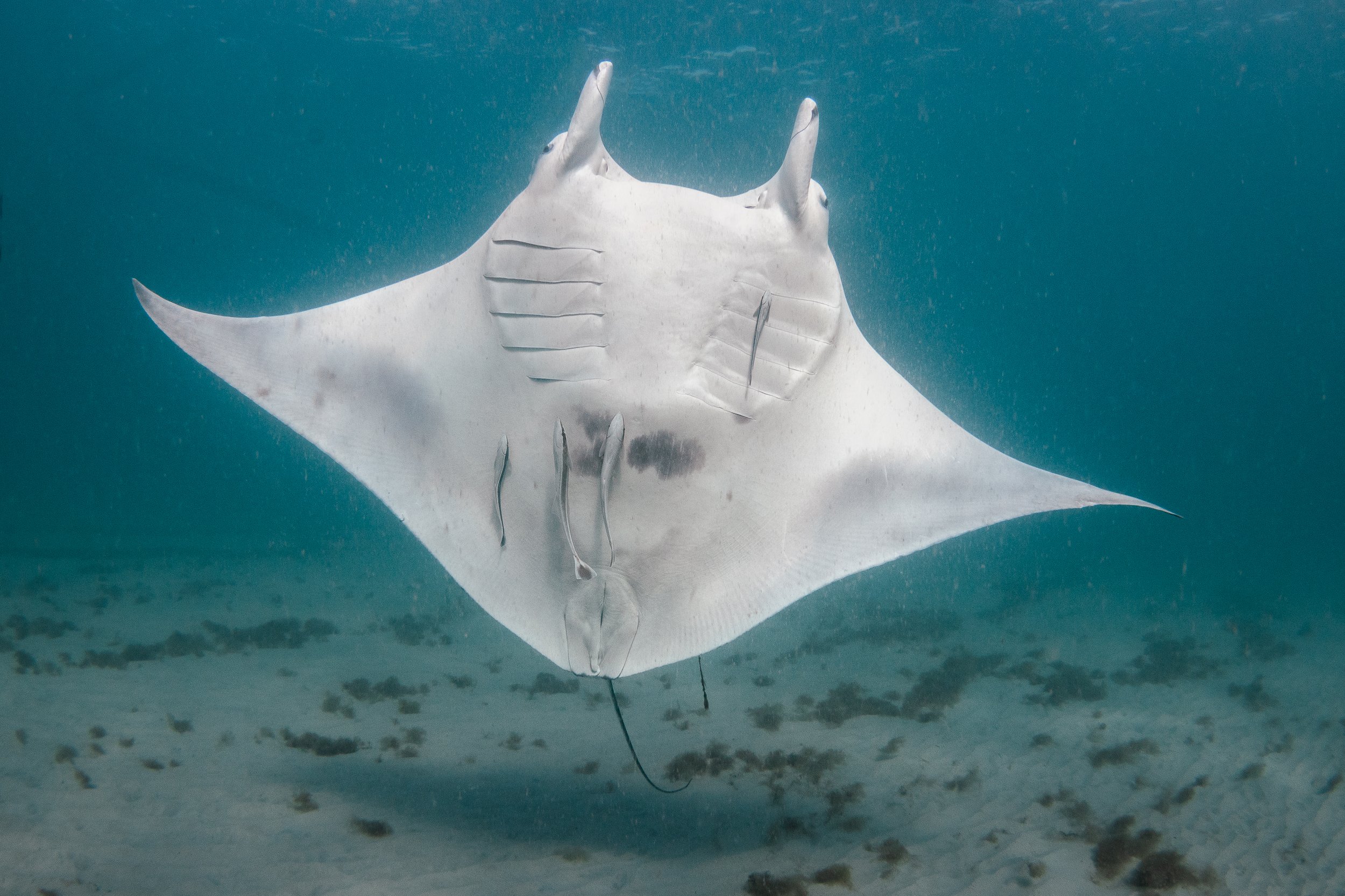
Remoras Caught Hiding Inside Manta Rays
A study led by Emily Yeager, with MMF's Jessica Pate and Bryant Turffs as co-authors, records remoras inside the cloacas of all three manta ray species.
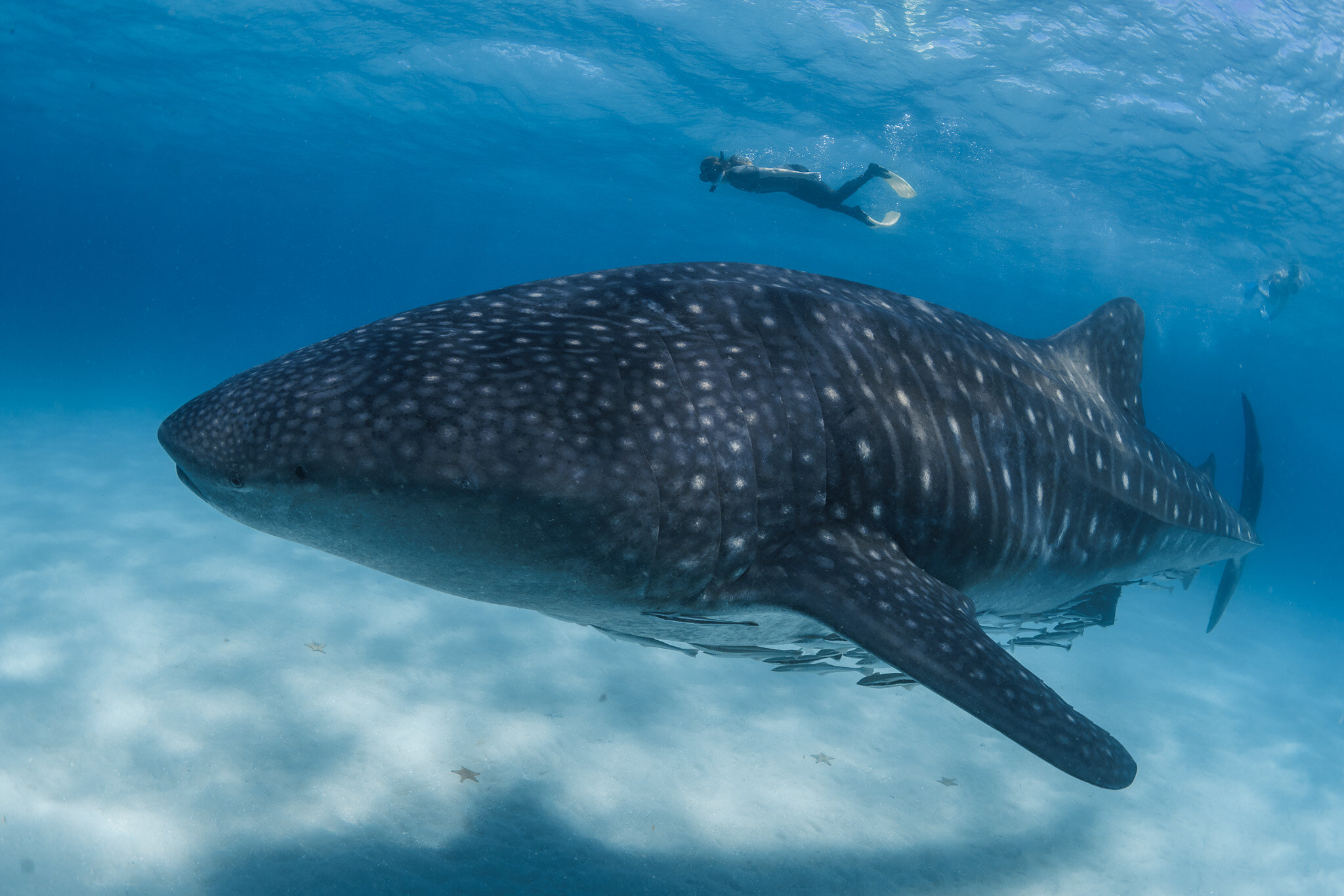
More Whale Sharks Sighted at Mafia Island, and More Crowds
MMF recorded more whale shark sightings per trip at Mafia Island, Tanzania, in 2025 than in 2024, while a survey of tourists found growing concern about crowding around the sharks.
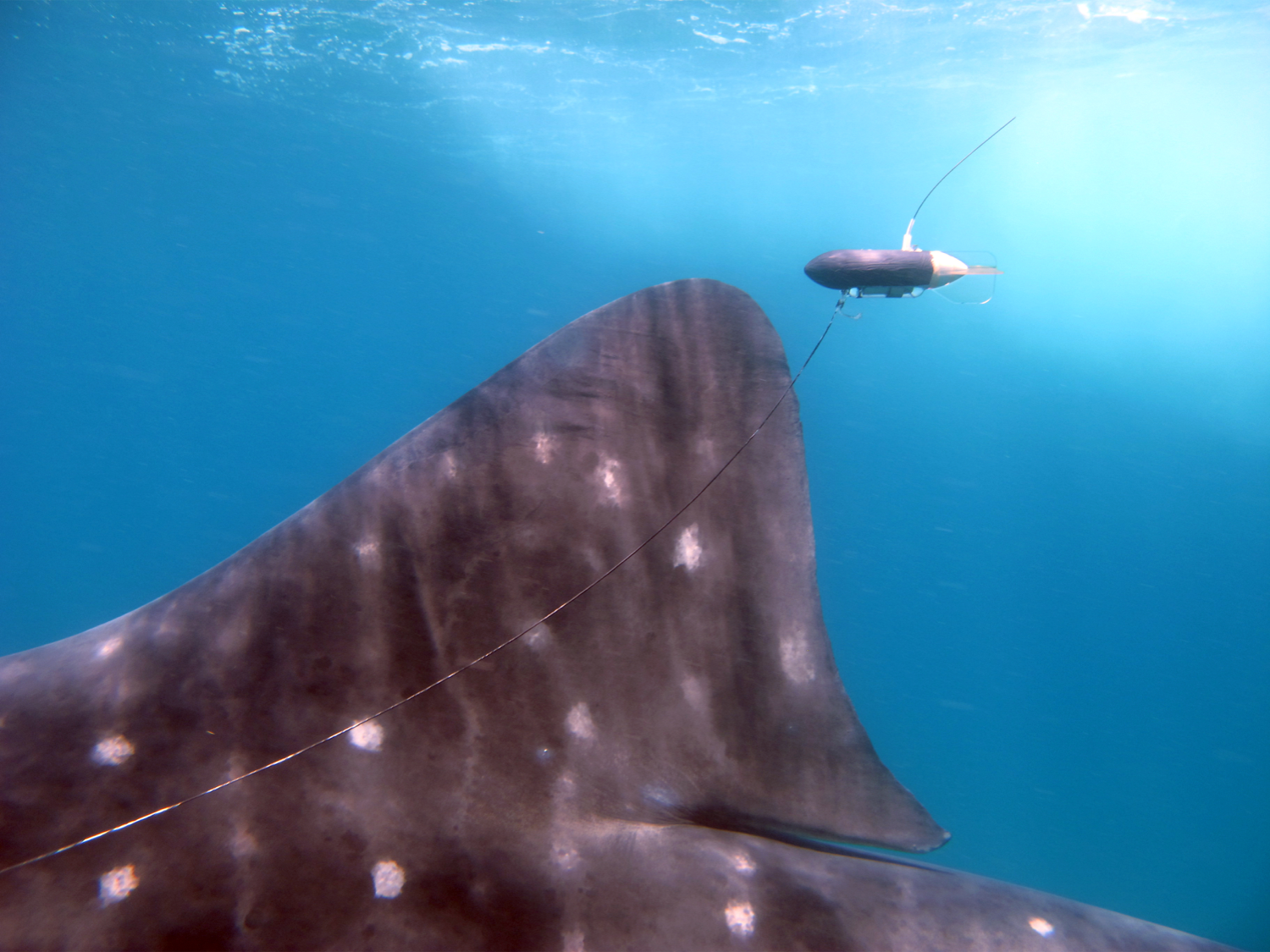
Better Clamps Mean Longer Whale Shark Tracks
A study led by Dr. Freya Womersley and co-authored by MMF's Simon Pierce, Chris Rohner, and Jens Paulsen pools tagging experience from around the world into guidance for whale shark fin clamps.
Where Young Whale Sharks May Feed in the Southwest Pacific
A new study led by Dr. Ingo Miller and co-authored by MMF's Simon Pierce predicts how suitable feeding habitat for young whale sharks shifts with the seasons in the southwest Pacific.
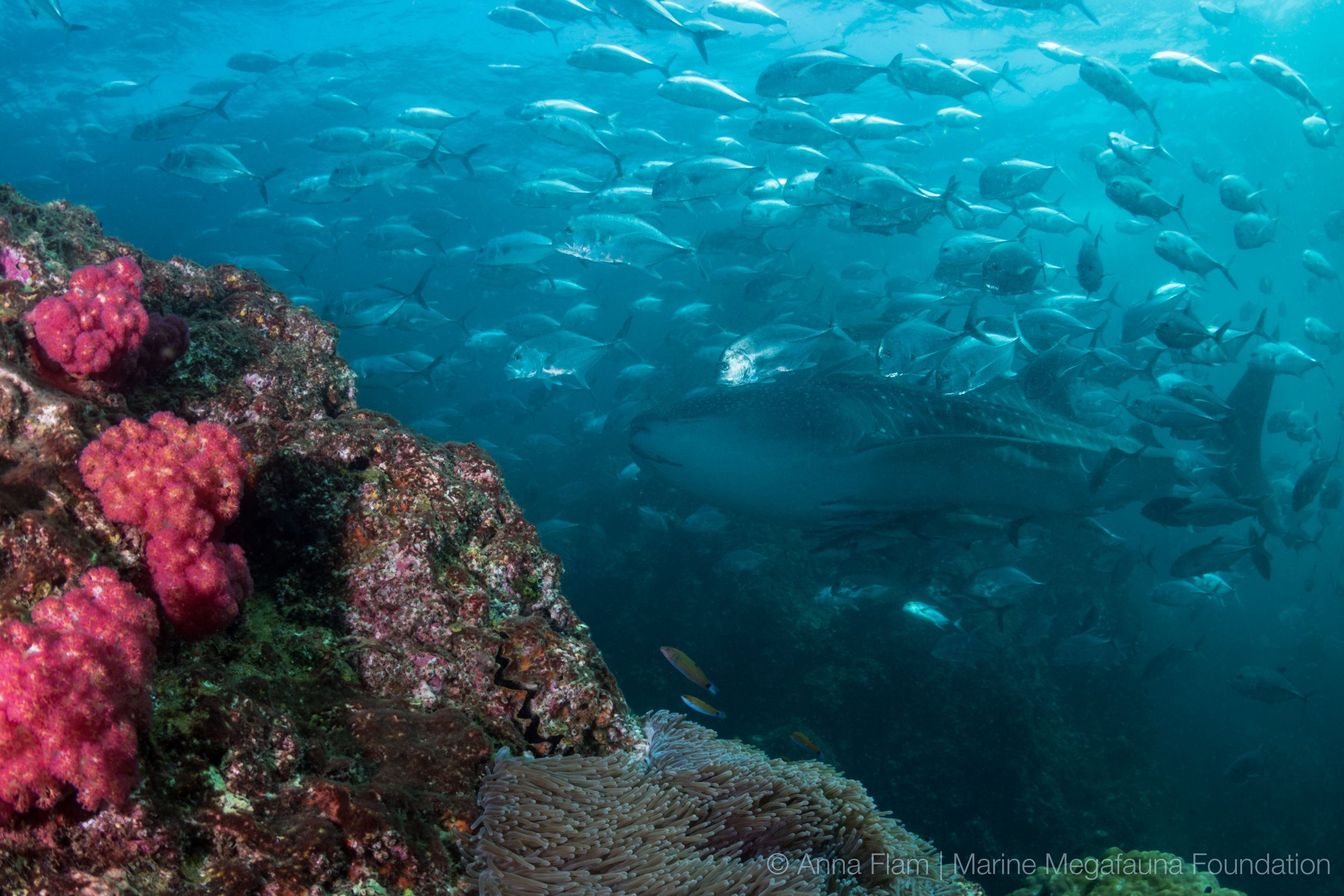
A Whale Shark's Coral Sea Dive Extends the Depth Record
A study led by Dr. Ingo Miller of Biopixel Oceans Foundation, co-authored by MMF's Dr. Simon Pierce, records a whale shark dive to at least 1,978 meters (6,490 feet).
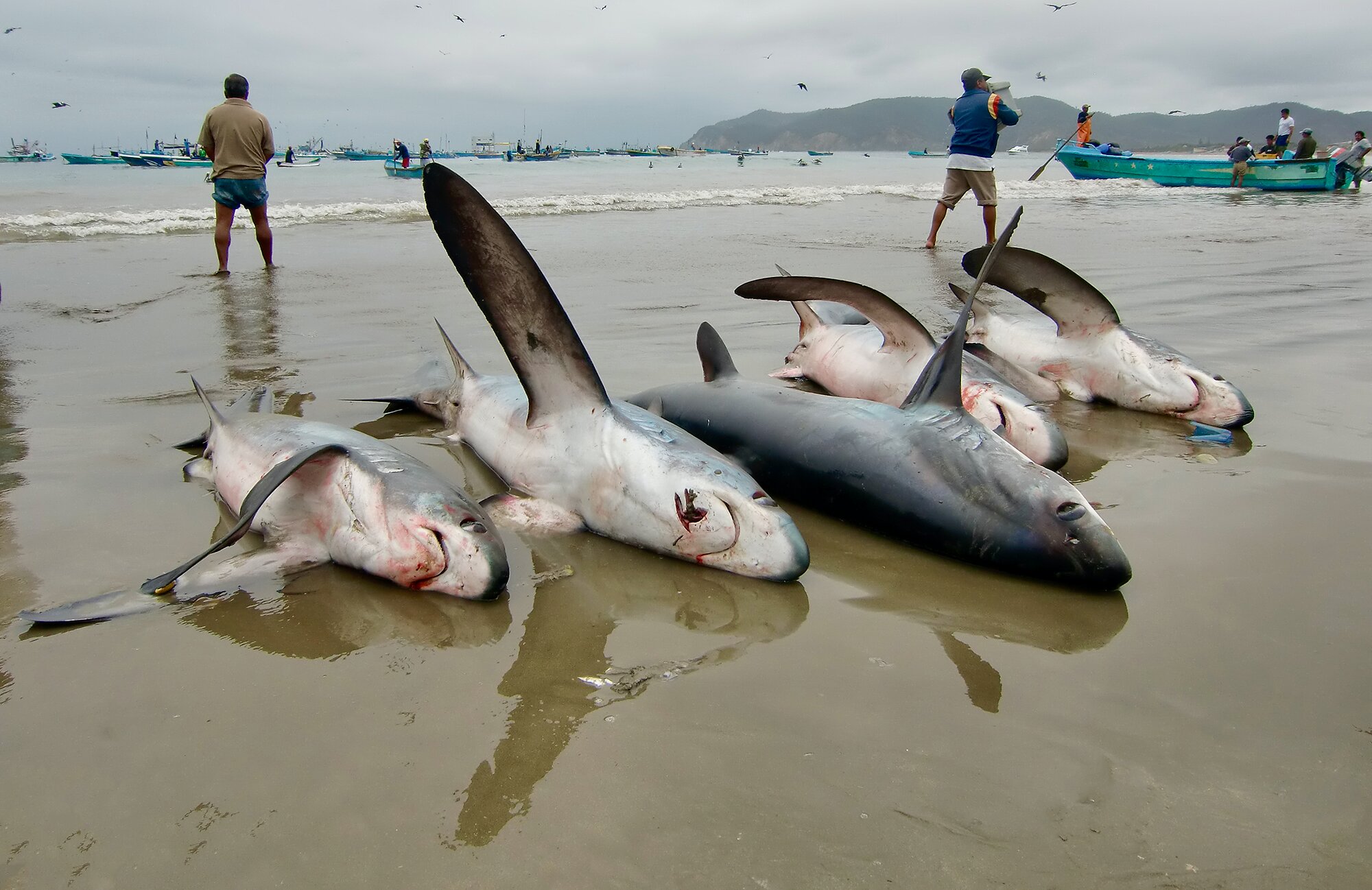
Study Estimates 174,000 Sharks and Rays Brought Ashore at Two Senegal Sites
A study led by Dr. Rima Jabado, with MMF's Dr. Chris Rohner among the co-authors, estimates that fishers brought nearly 174,000 sharks and rays ashore at two sites in southern Senegal.
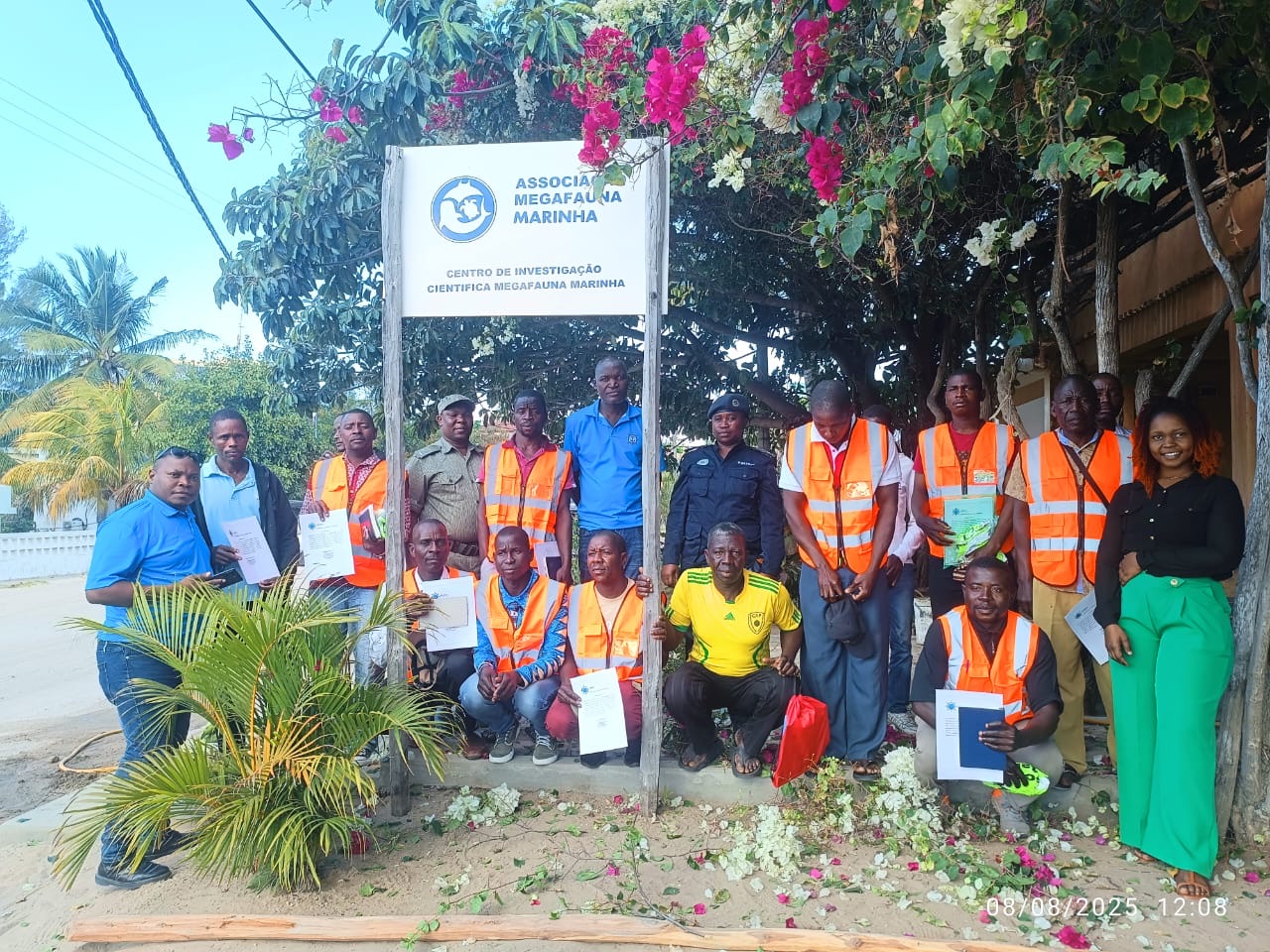
Community Fisheries Inspectors Accredited in Mozambique
Fifteen community fisheries inspectors from Tofo, Barra, and Rocha were officially accredited in 2025 and patrol with Mozambique's Coastal Police, after training alongside 30 of its officers.
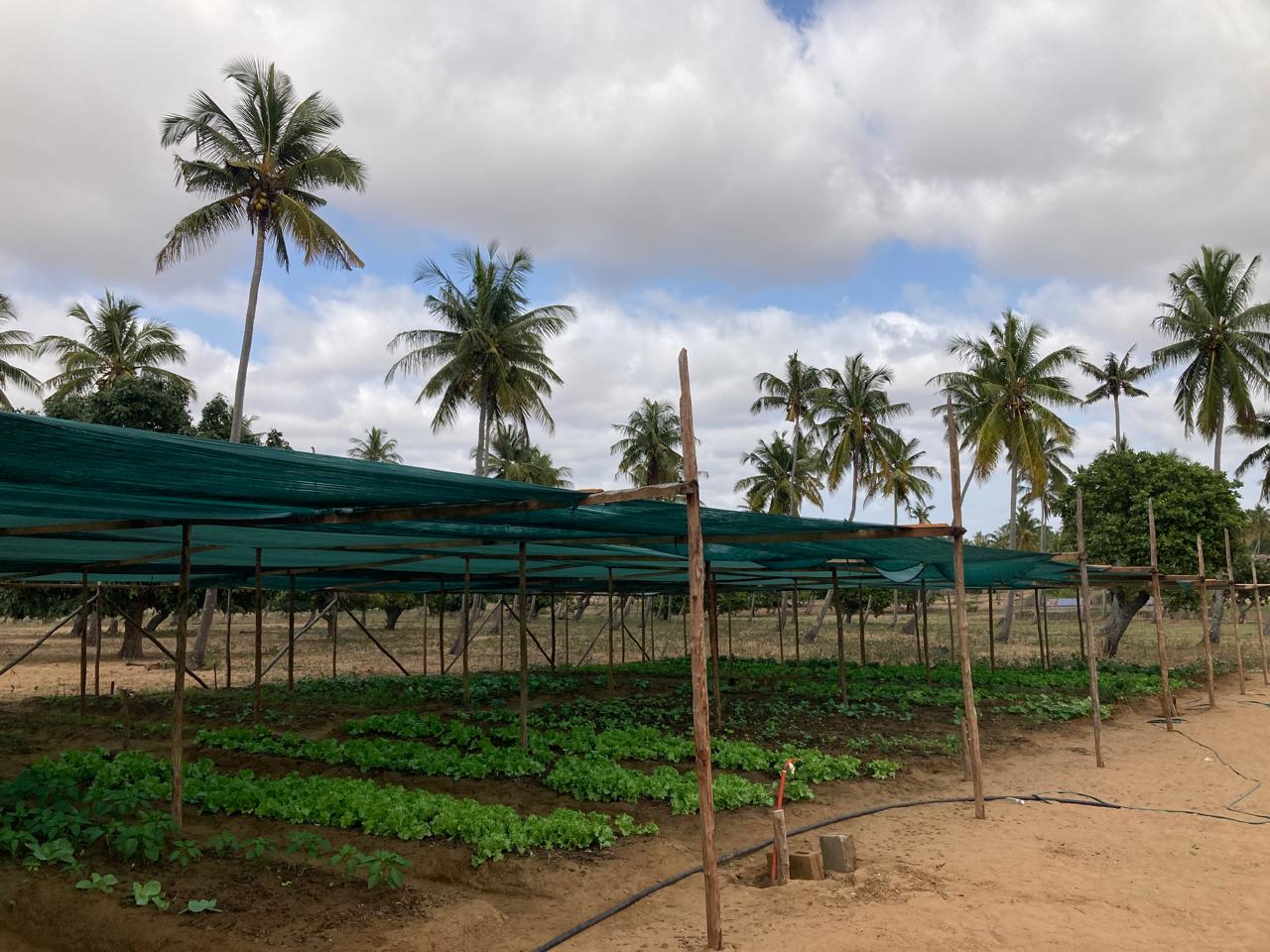
New Livelihoods for Fishing Families in Inhambane
A fish-and-vegetable farm, a greenhouse, and an egg cooperative set up in 2025 give 33 fishing families in Mozambique's Inhambane Province new ways to earn a living beyond fishing.
Ocean Ambassadors Grow to 90 and Reach Závora
MMF's Ocean Ambassadors, local conservation leaders in seven communities on Mozambique's Inhambane coast, gave 140 talks to 5,867 people in 2025 and expanded to Závora.
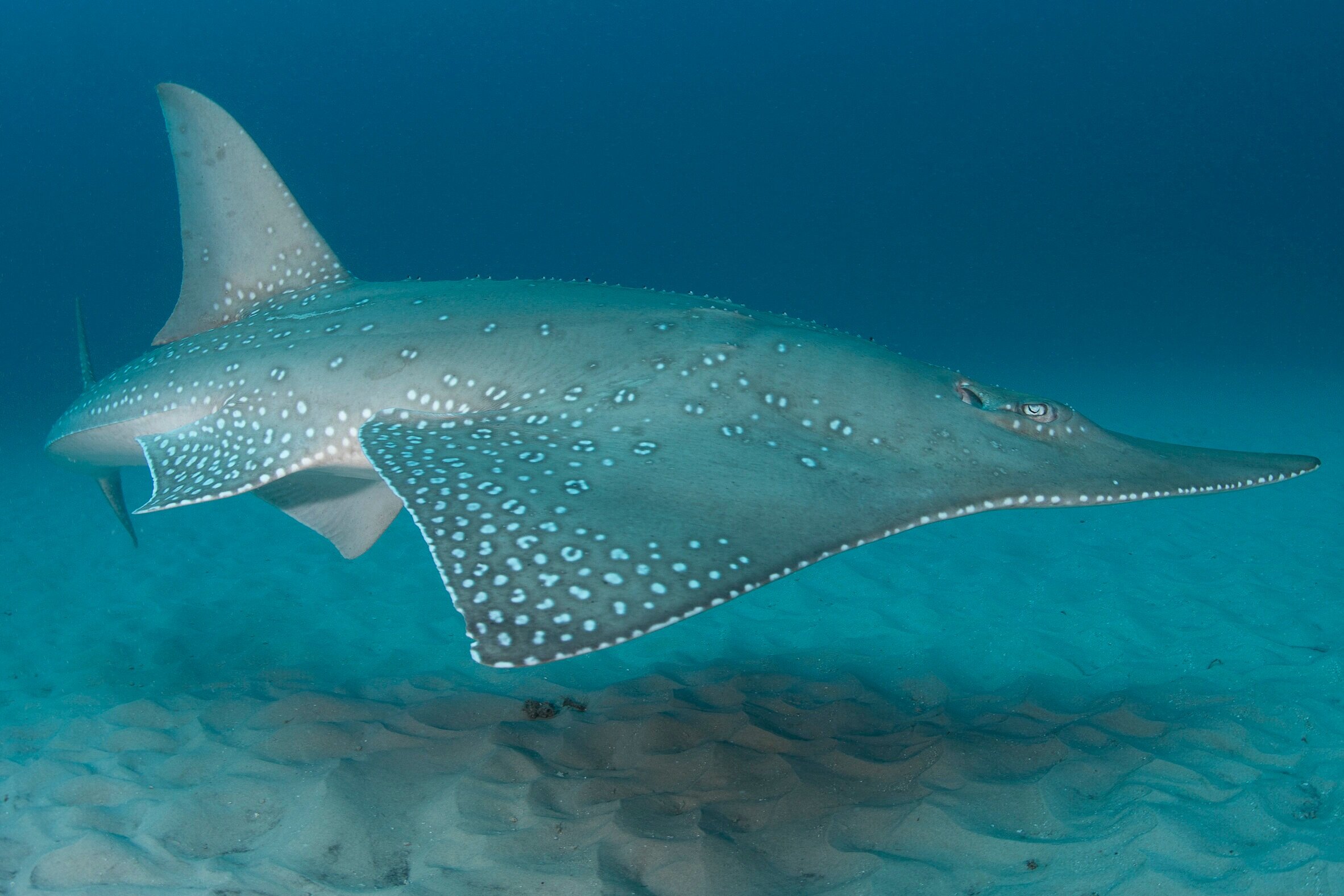
Key Moreton Bay Ray Habitats Lack No-Take Protection
A study led by Ciaran Hyde and co-authored by MMF's Dr. Simon Pierce finds that little of the important ray habitat in Australia's Moreton Bay Marine Park is closed to fishing.
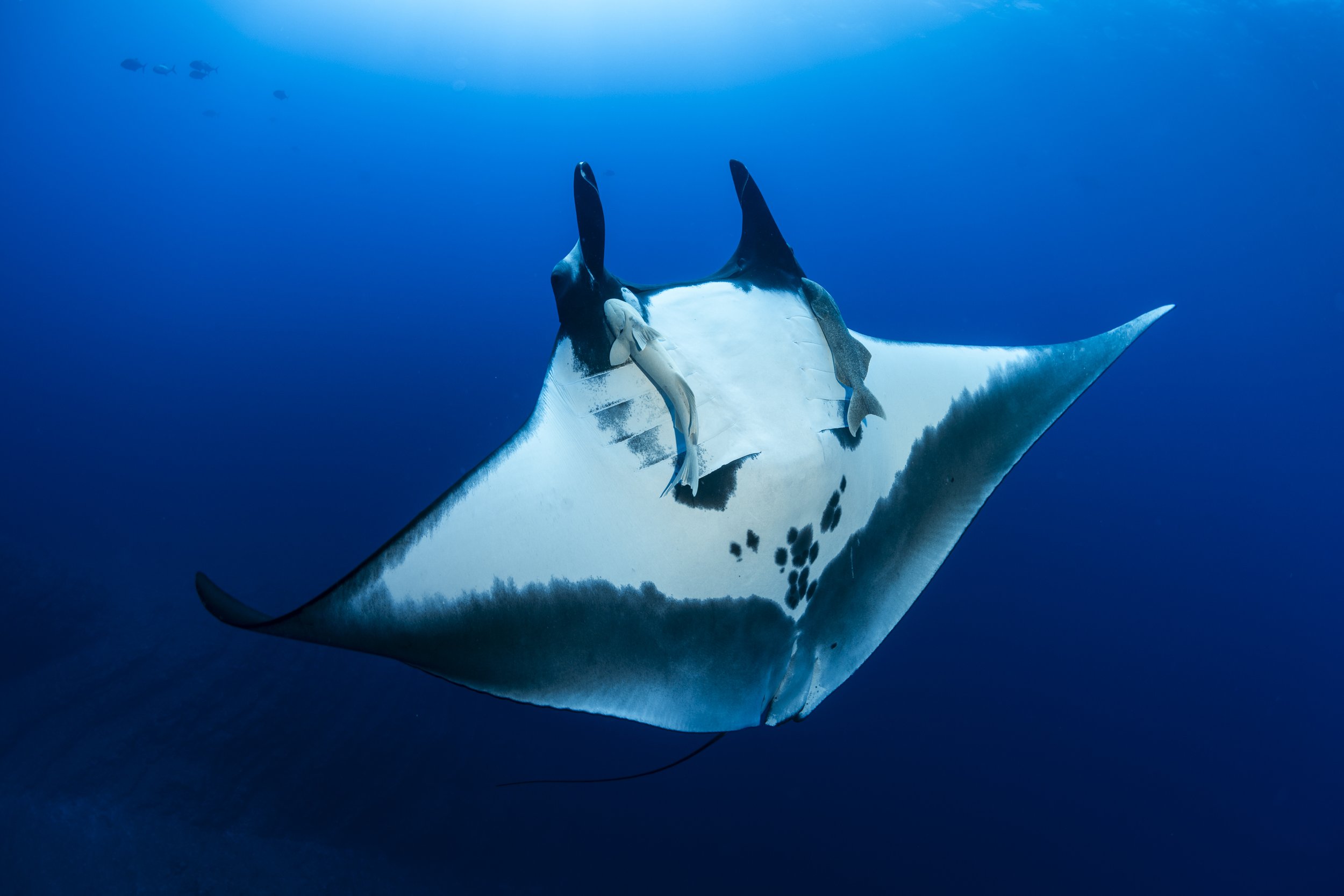
Killer Whales Meet Sharks and Rays in a New Global Dataset
A study led by Emma Luck and co-authored by MMF's Dr. Stephanie Venables gathers 320 photos and videos of killer whales interacting with sharks and rays into one open dataset.
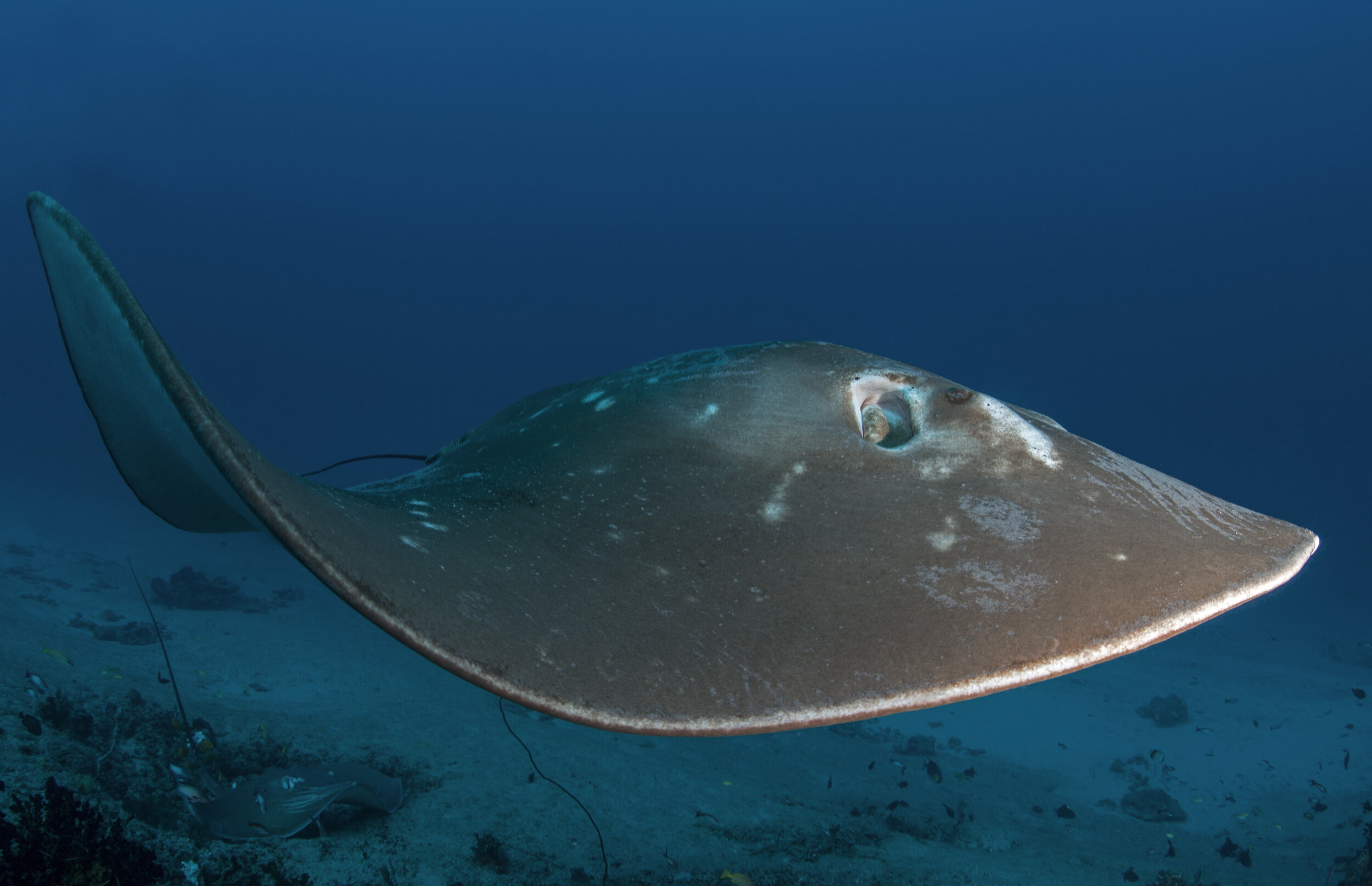
New DNA References Help Tell Two Indian Ocean Whiprays Apart
A study led by Karla Redelinghuys of Stellenbosch University, with MMF co-authors, adds genetic evidence that two look-alike whiprays in the Southwest Indian Ocean are separate species.
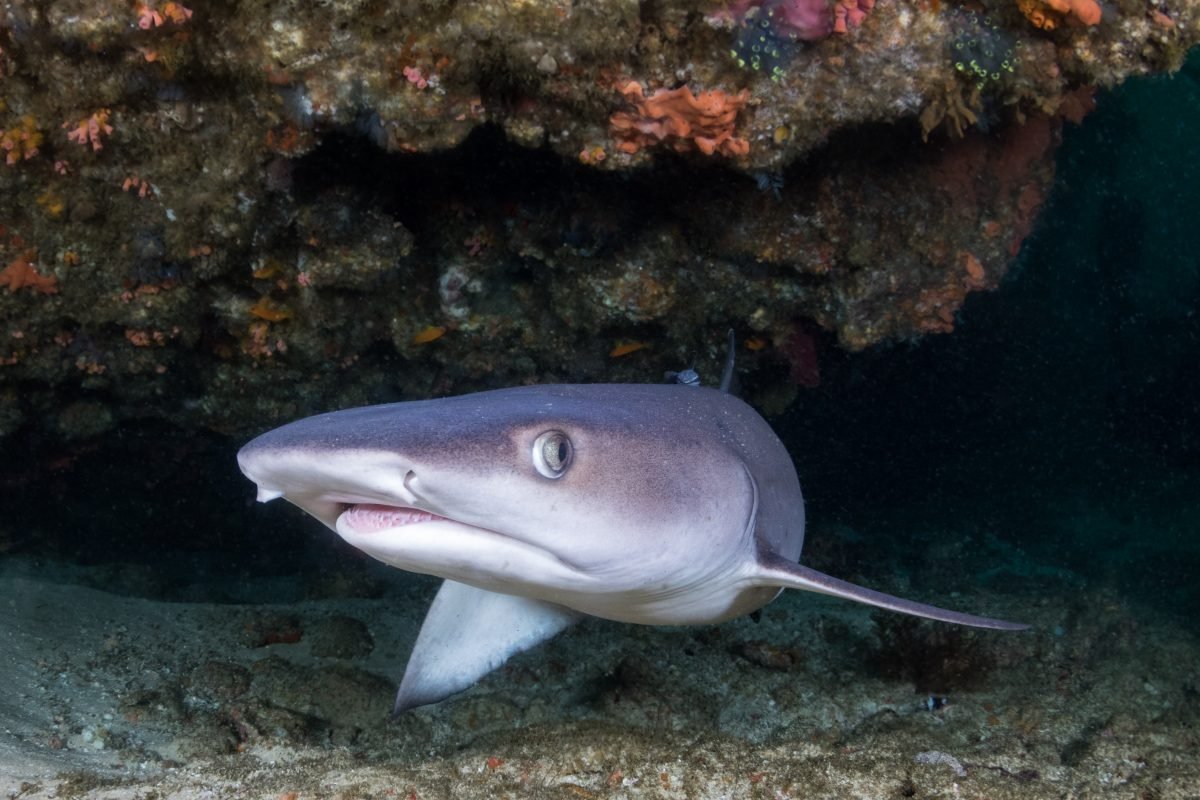
Only 1.2% of Key Shark and Ray Areas Are Fully Protected
A study led by Jesse Cochran, co-authored by MMF scientists, finds only 1.2% of key shark and ray habitat in the Western Indian Ocean lies in zones closed to fishing.
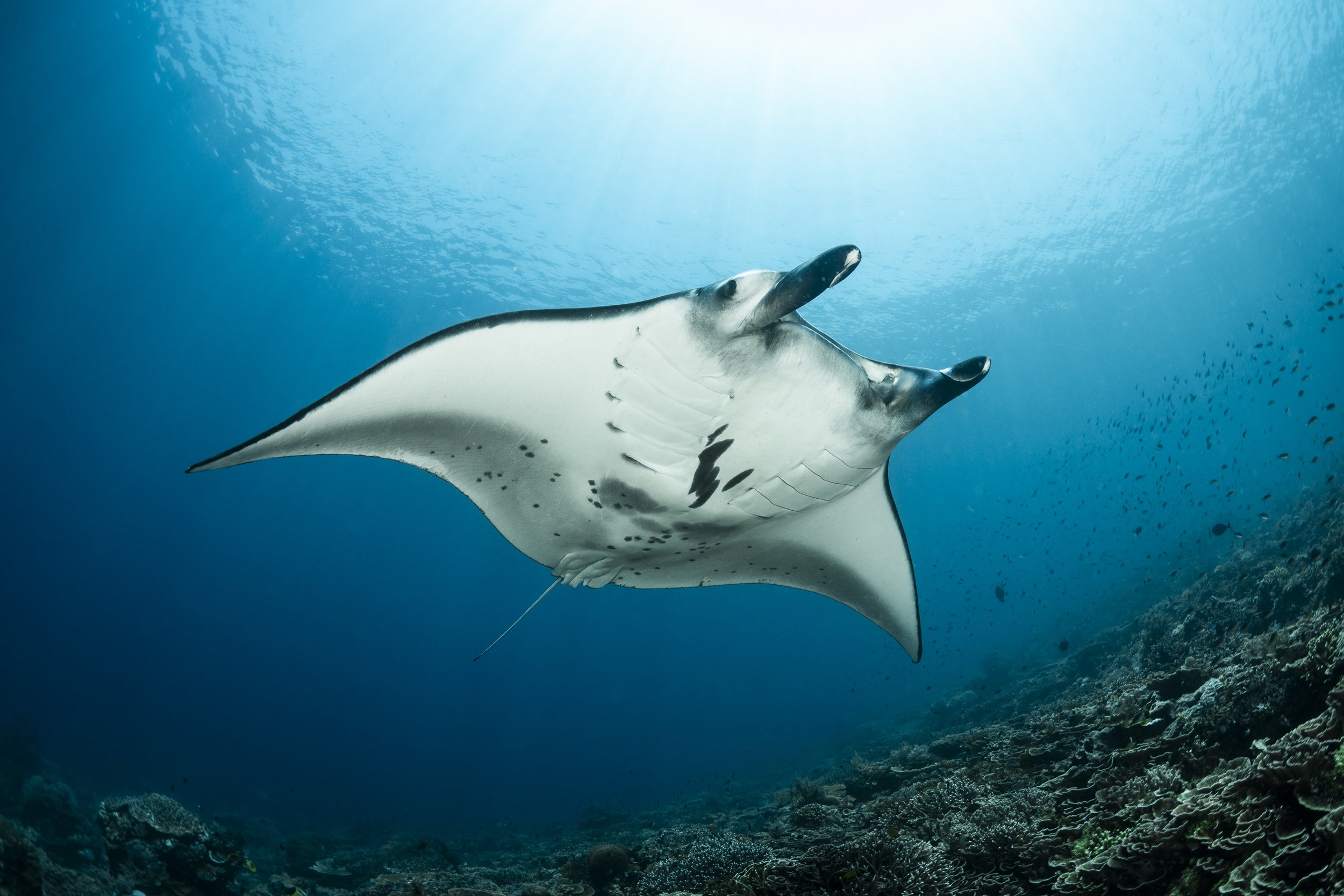
2025 Recap: From Science to Protection for Ocean Giants
MMF's 2025 recap covers 21 scientific papers, new conservation assessments and protections, community programs, and fieldwork across more than a dozen countries.
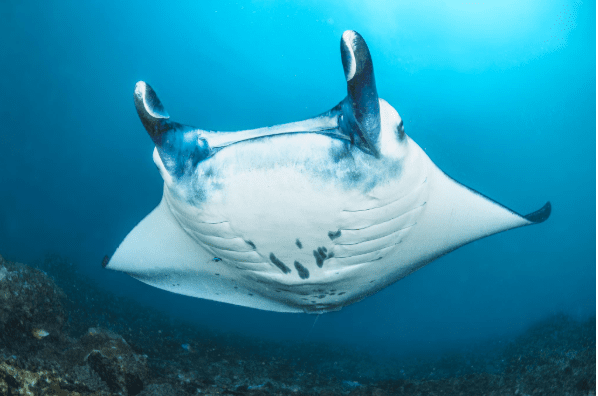
Happy Manta Day!
For World Manta Day, MMF co-founder Simon Pierce highlights recent manta ray research and conservation work in Mozambique, Florida, and Indonesia.

Whale Sharks Have Declined Sharply off Tofo, Mozambique
A 15-year study led by MMF's Lisa-Marie Auditore found an 87% drop in whale shark sightings off Praia do Tofo, and an 89% drop in the estimated number of sharks using the area.
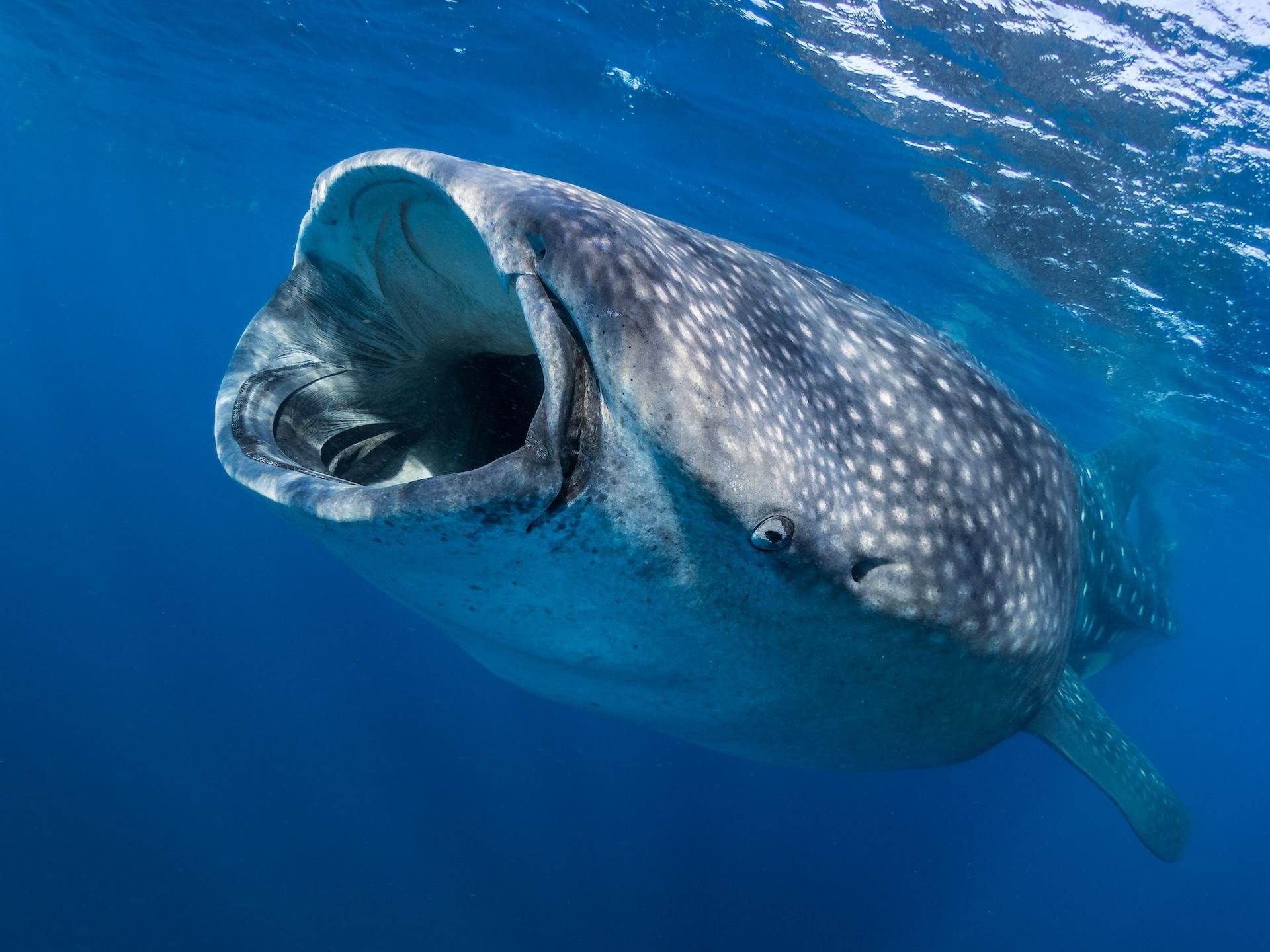
Happy Whale Shark Day!
For International Whale Shark Day, MMF co-founder Simon Pierce reviews the species' main threats and the progress made in whale shark conservation since 2005.
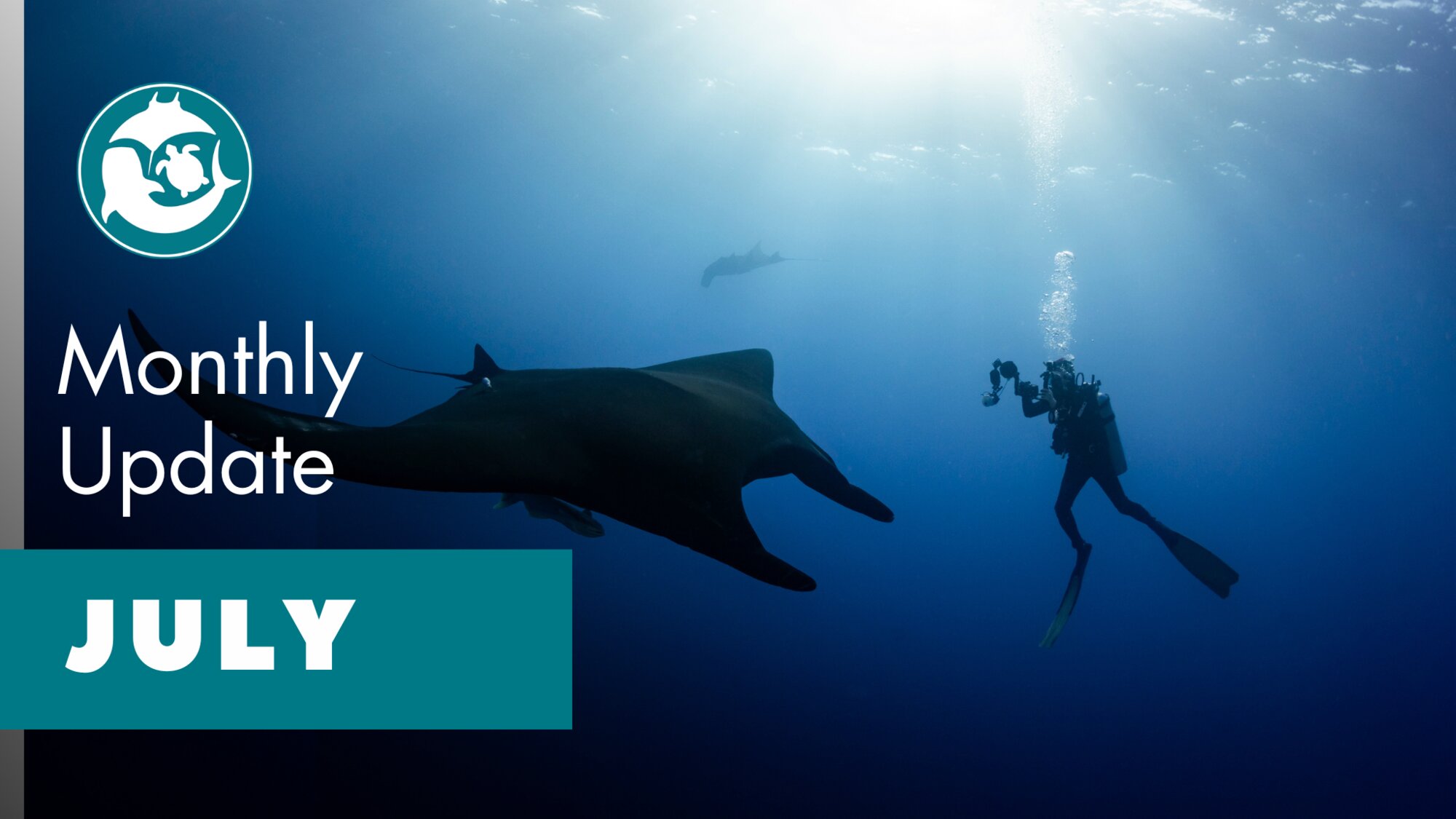
Monthly Update for July
Our July update highlights the formal description of the Atlantic manta ray, reef manta and wedgefish tagging in Mozambique, sea turtle monitoring in Indonesia, and outreach in Florida.
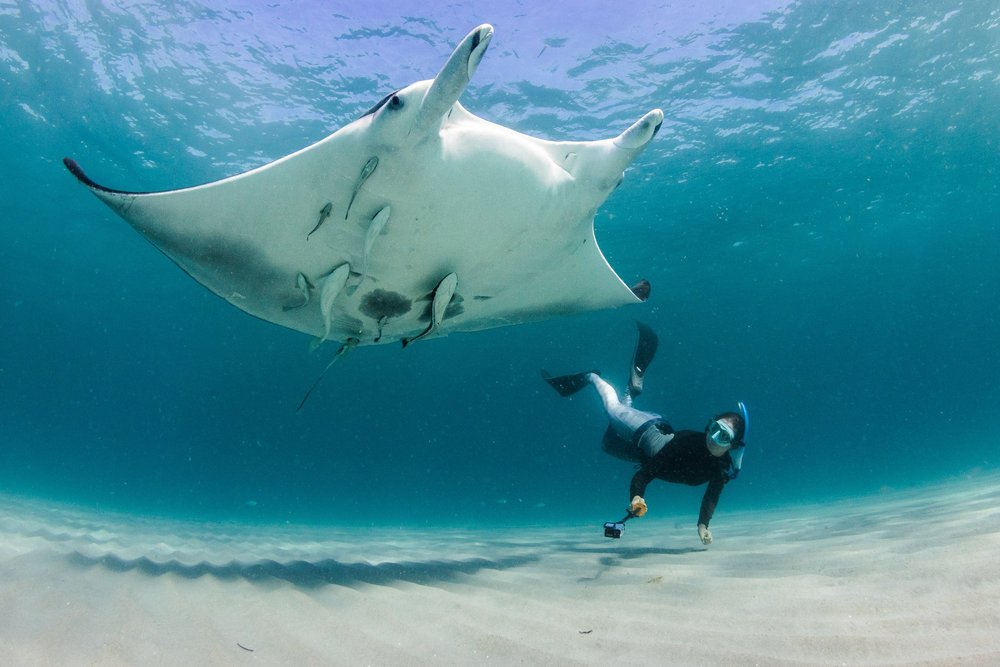
Third Manta Ray Species: Mobula yarae Discovered in Atlantic Ocean
The Marine Megafauna Foundation announces Mobula yarae, the third manta ray species, discovered in the Atlantic Ocean. Learn about this new manta, named after a water spirit, its unique features, and critical conservation needs.
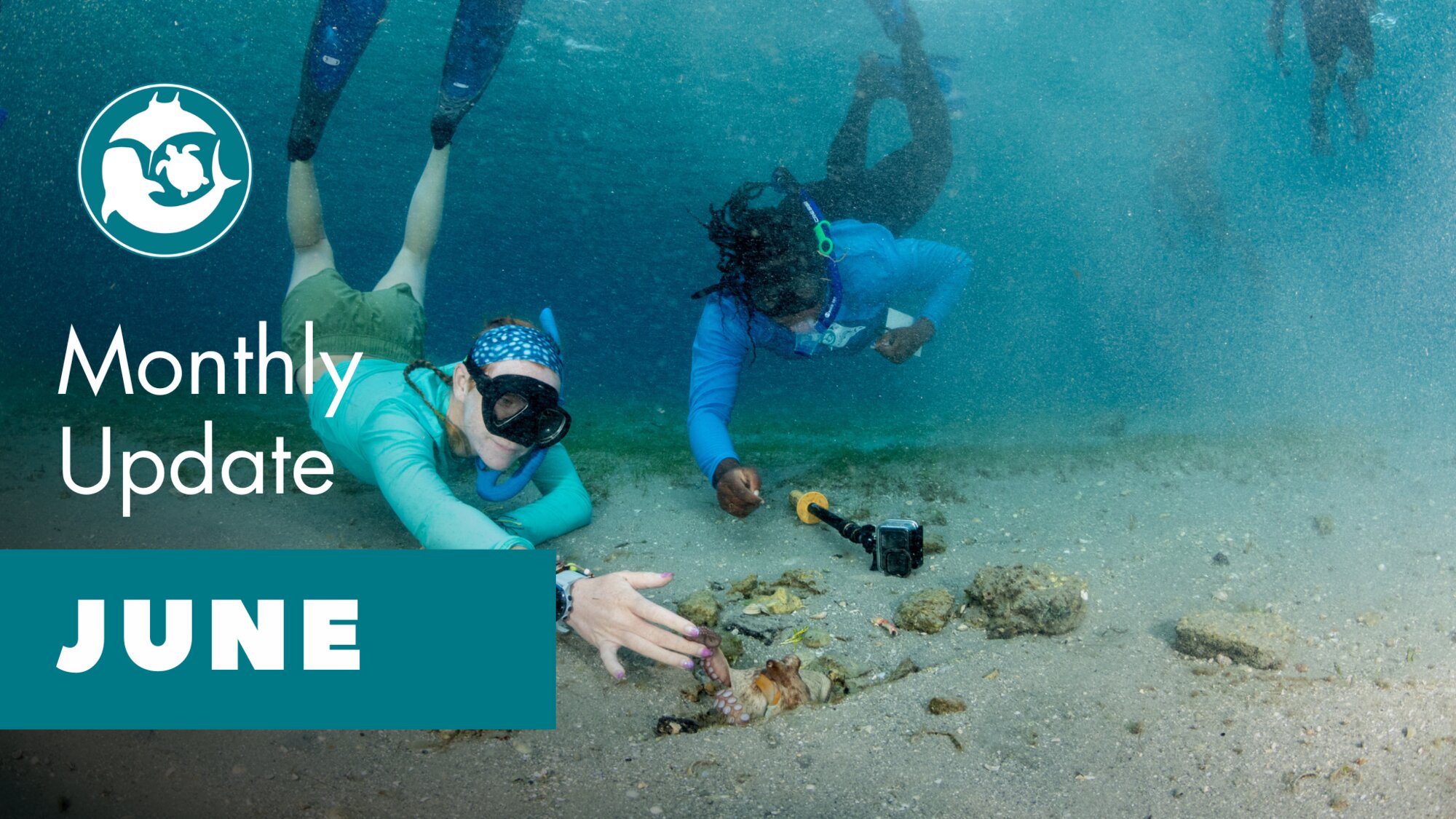
Monthly Update for June
Our June update covers the launch of whale shark research in Oman, satellite tagging and fisheries engagement in Florida, renewed monitoring in Indonesia, and conservation training in Mozambique.
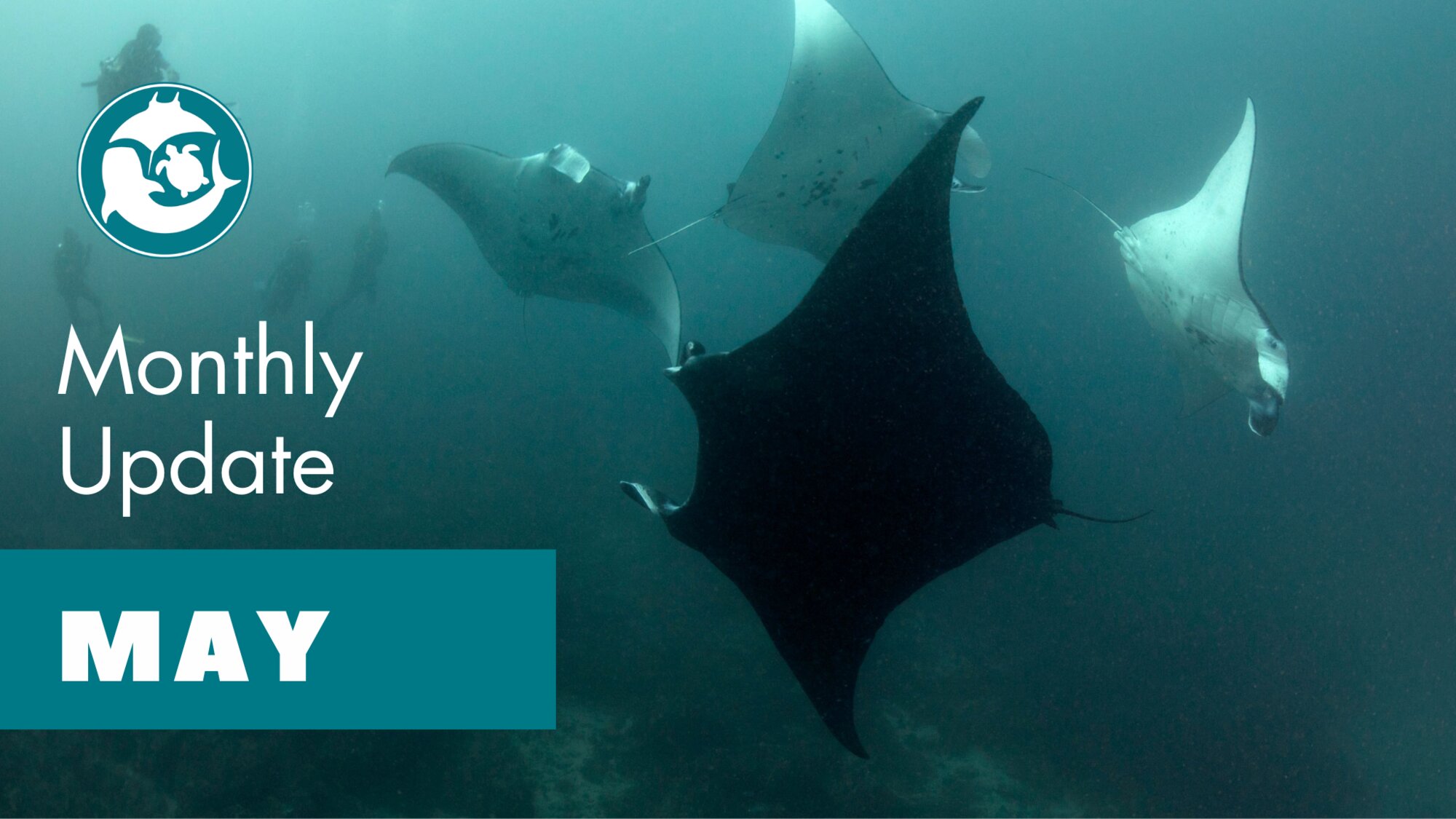
Monthly Update for May
Our May update covers community conservation and researcher training in Mozambique, manta and guitarfish monitoring in the US and Indonesia, and new shark and ray science from Africa and Australia.

TRAILER: "Ocean with David Attenborough"– A Landmark Film Every Marine Conservation Supporter Must See
Sir David Attenborough
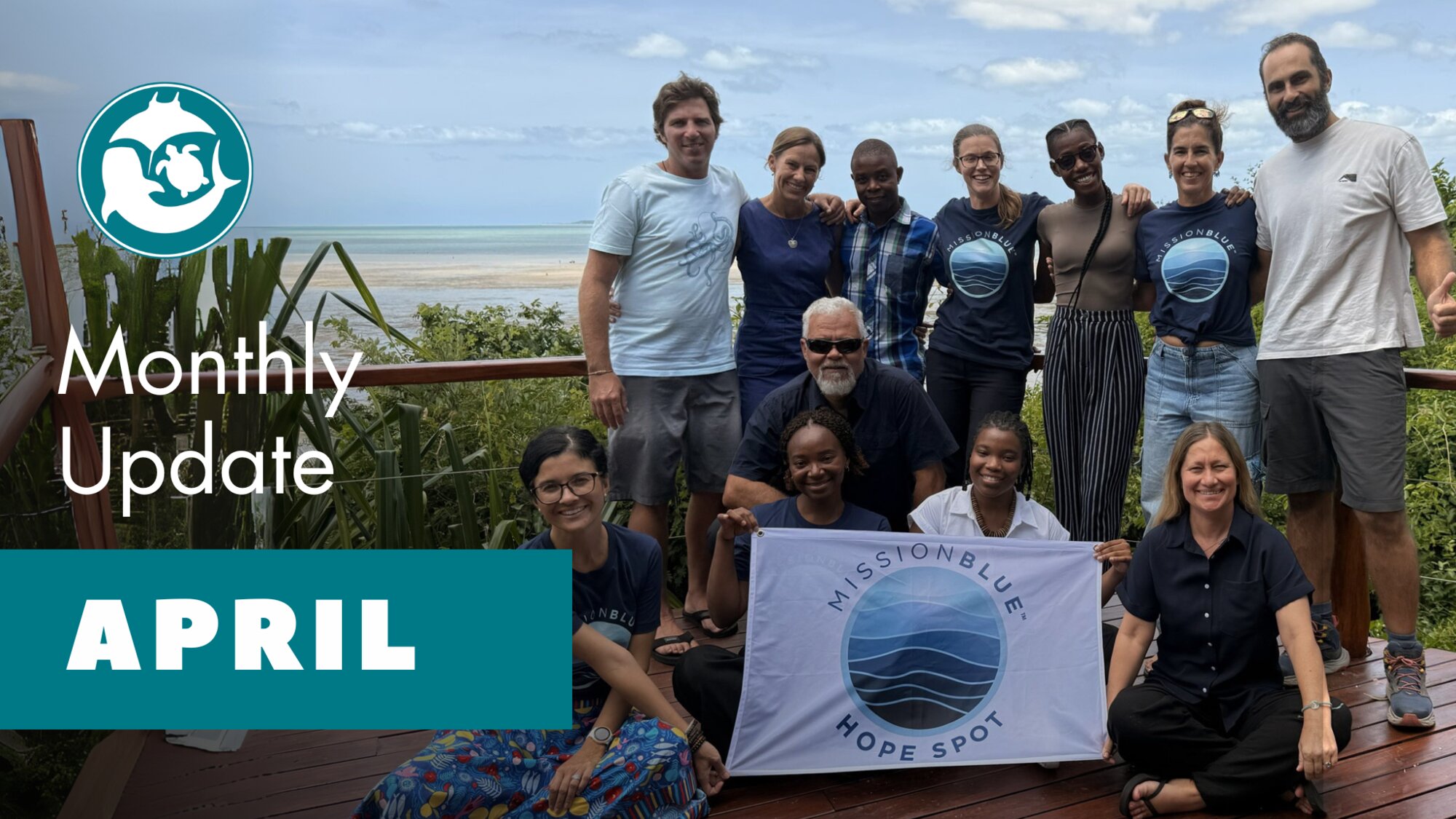
Monthly Update for April
MMF teams tracked sharks and rays through cyclone season in Mozambique, supported national conservation planning, partnered on sea turtle work in Indonesia, and recorded 60 manta rays during one Florida survey.
.png)
Monthly Update for March
Our March update covers expanding manta and guitarfish research in Florida, education and tourism work in Indonesia, new monitoring infrastructure in Mozambique, and whale shark surveys in Tanzania.
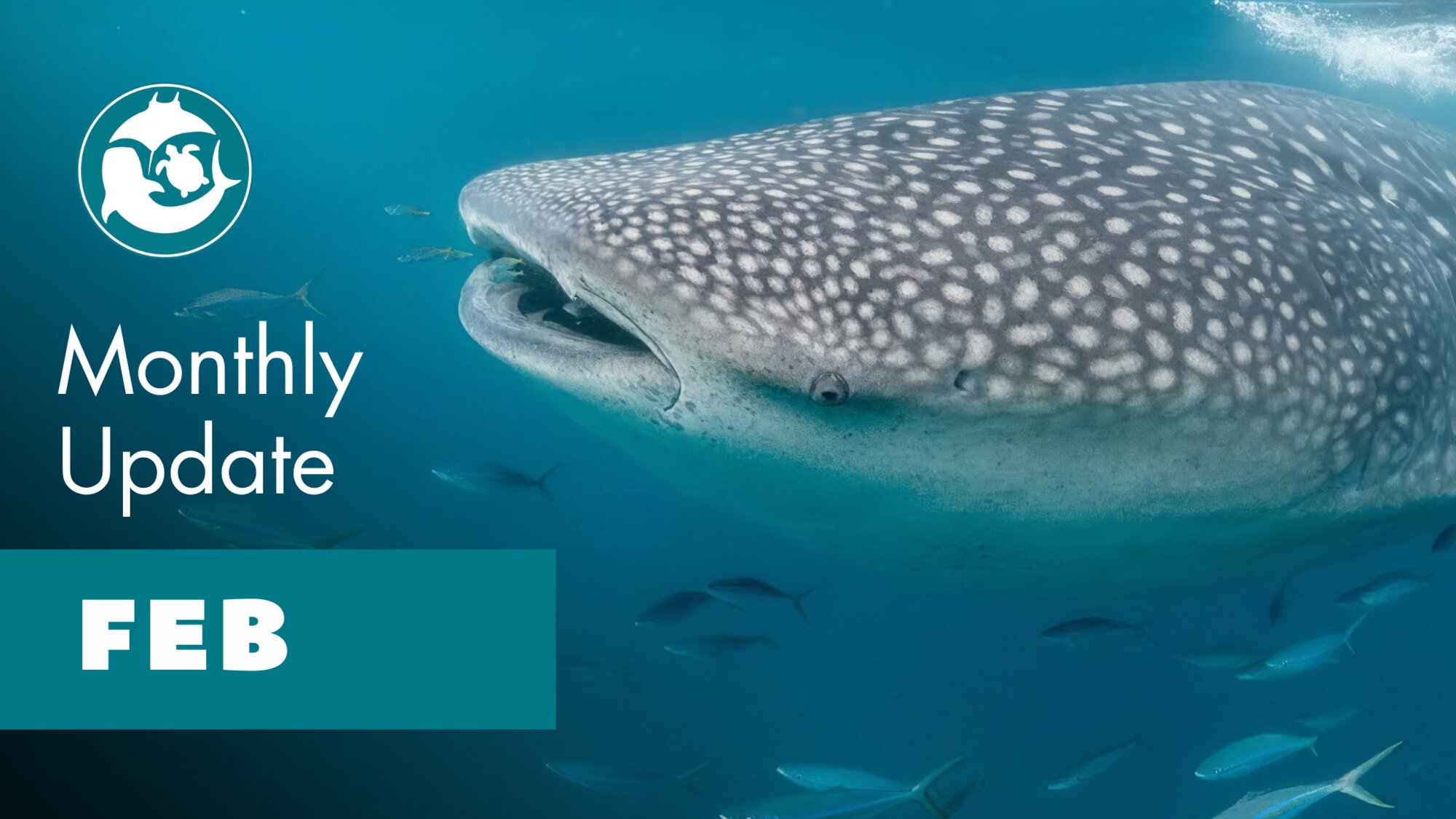
Monthly Update for February
MMF's 2024 Impact Report highlights work to build local conservation capacity, educate future marine conservationists, expand protected areas, and advance non-invasive research methods.
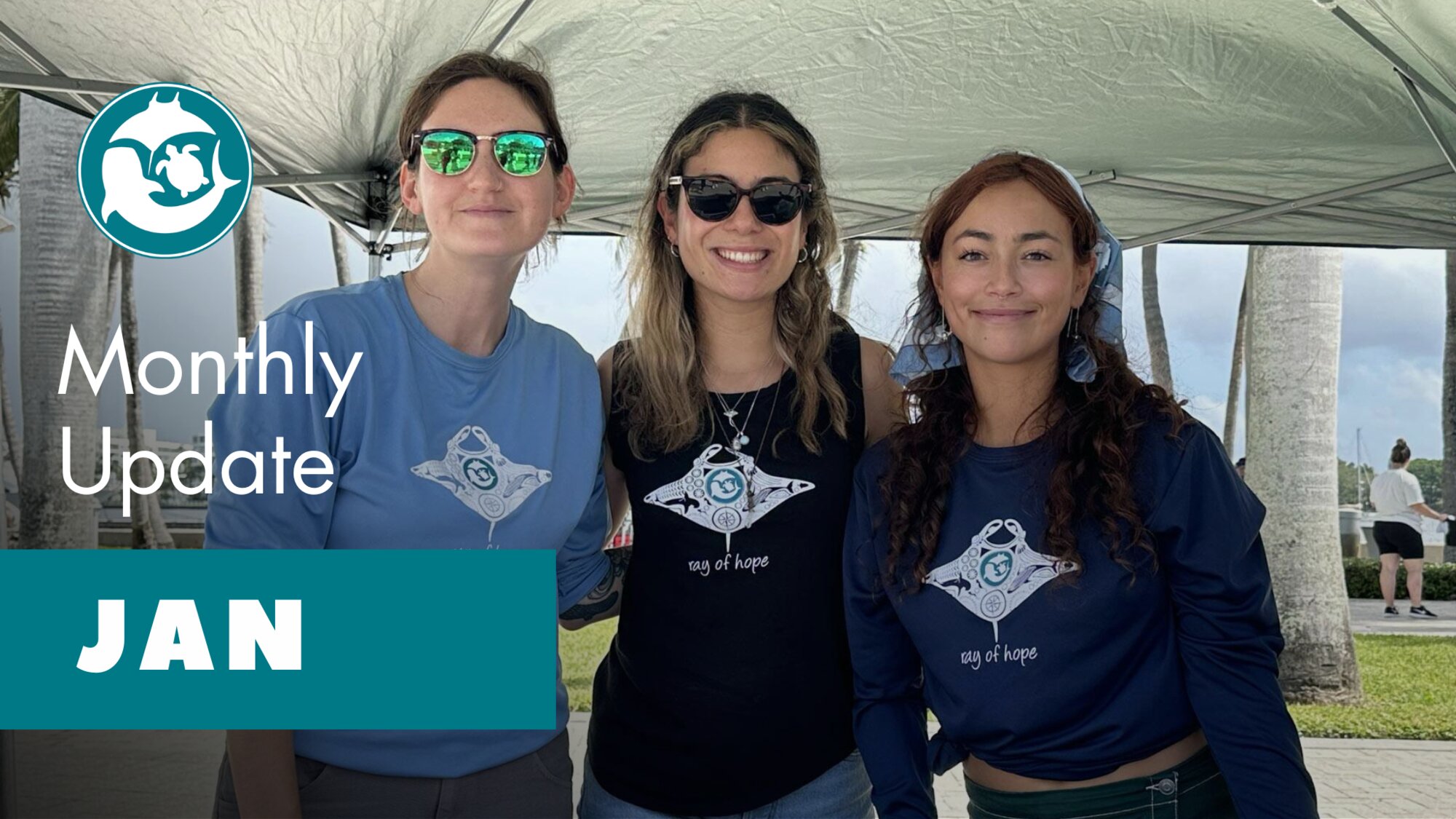
Monthly Update for January
This year-end update covers new reef manta ray work in Indonesia, shark and ray tracking in Mozambique, marine conservation education, and Andrea Marshall's rehabilitation.
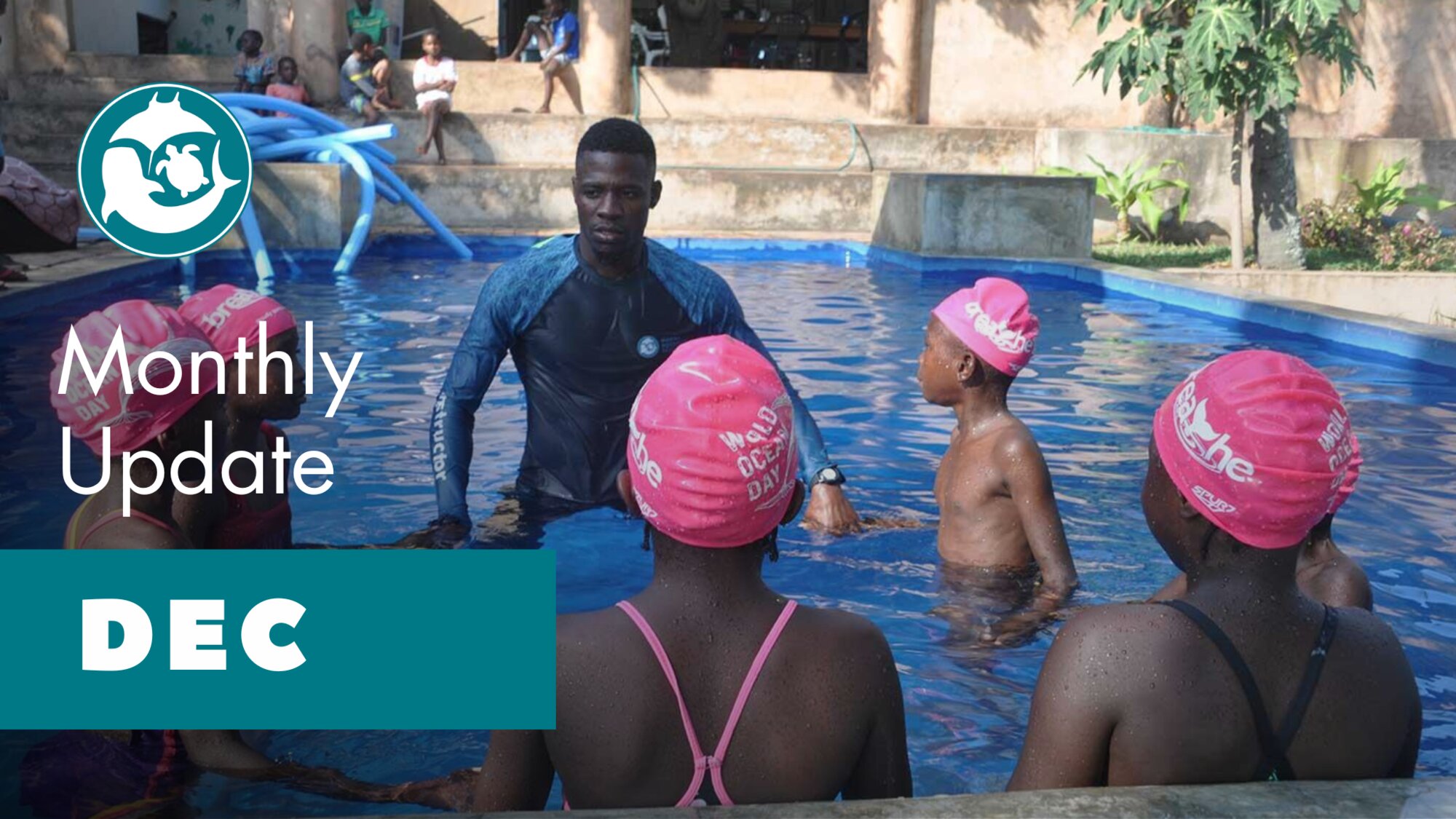
Monthly Update for December
Our December update covers long-term manta ray declines in Mozambique, our 200th identified manta in South Florida, new leadership and research in Indonesia, and shark conservation work worldwide.
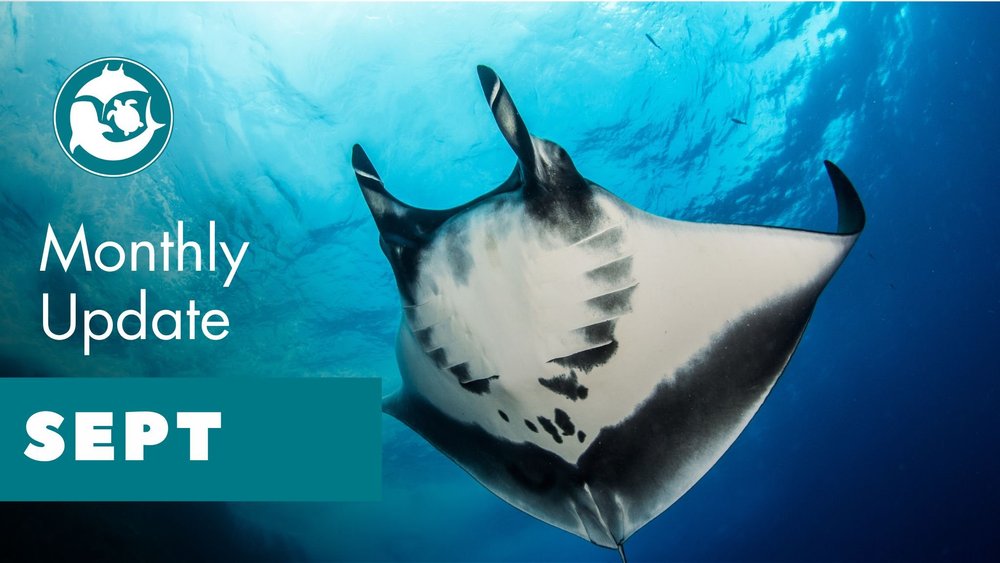
It’s International Manta Ray Day!
MMF marks World Manta Day through stories and images from its Indonesia team, celebrating individual reef manta rays and the people working to protect them.
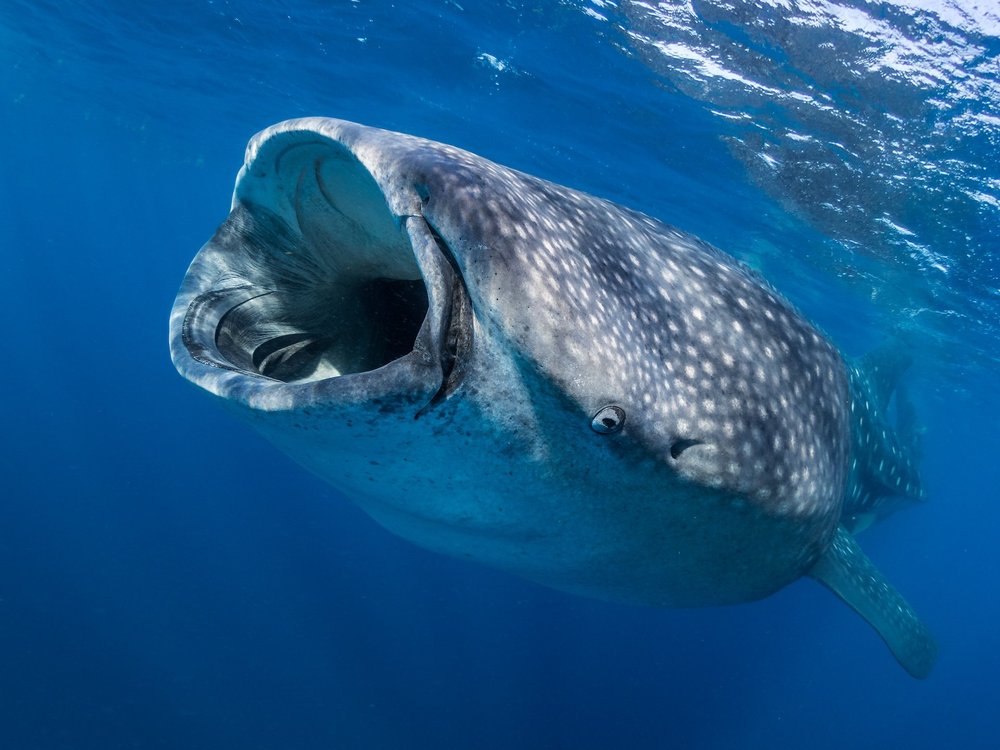
It’s International Whale Shark Day! So how’s the world’s greatest fish doing in 2024?
MMF co-founder Simon Pierce marks International Whale Shark Day 2024 with a status check: fishing bans are working, but ship strikes and gillnets remain the biggest threats.
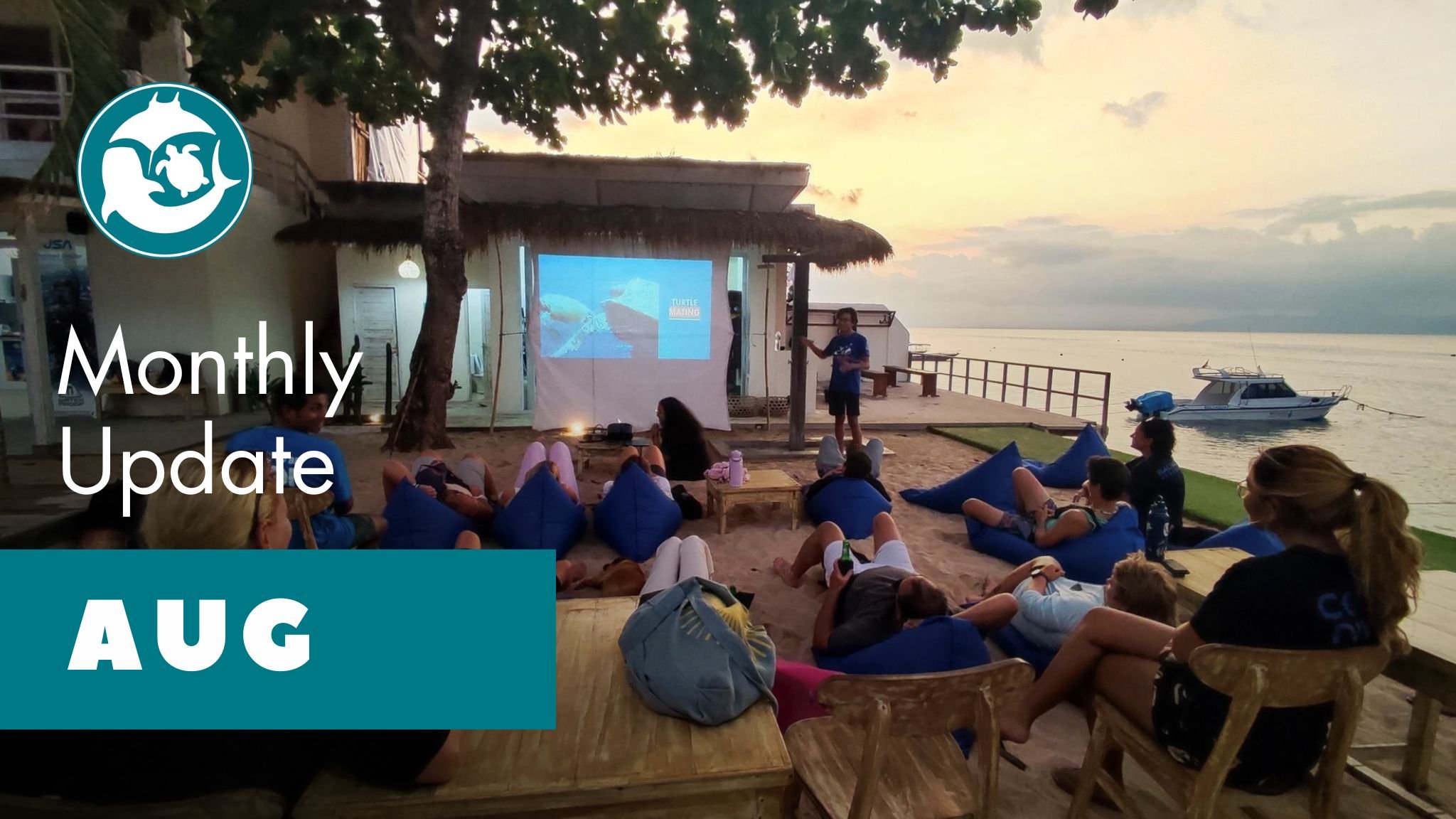
Monthly Update for August
This monthly update covers new MMF research expeditions, Andrea Marshall's recovery, and fieldwork and outreach in Florida, Indonesia, and Mozambique.
Monthly Update for July
This monthly update covers World Ocean Day activities, MMF's 2023 work in Indonesia, a new global board chair, and marine conservation projects across Mozambique.
Platinum Level on GuideStar.org for Marine Megafauna Foundation
Guide Star badge highlights MMFs commitment to transparency and ocean conservation impact.
Monthly Update for June
Our June update covers manta ray research and tagging in Florida, conservation training and education in Mozambique, and long-term monitoring and outreach in Indonesia.
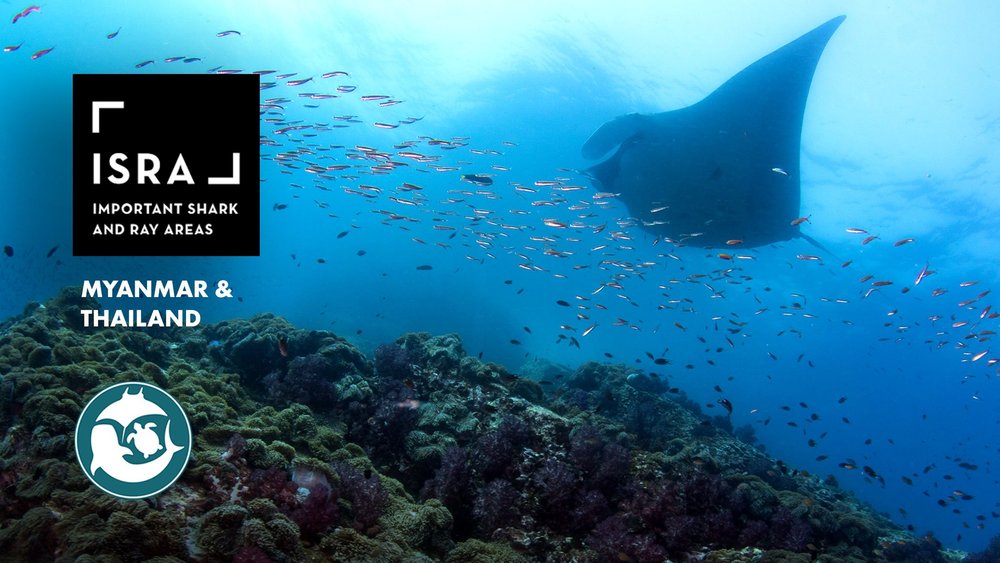
MMF Helps Shape Seven New Important Shark and Ray Areas in Myanmar & Thailand
MMF continues to play a key role in supporting the identification of critical marine habitats.
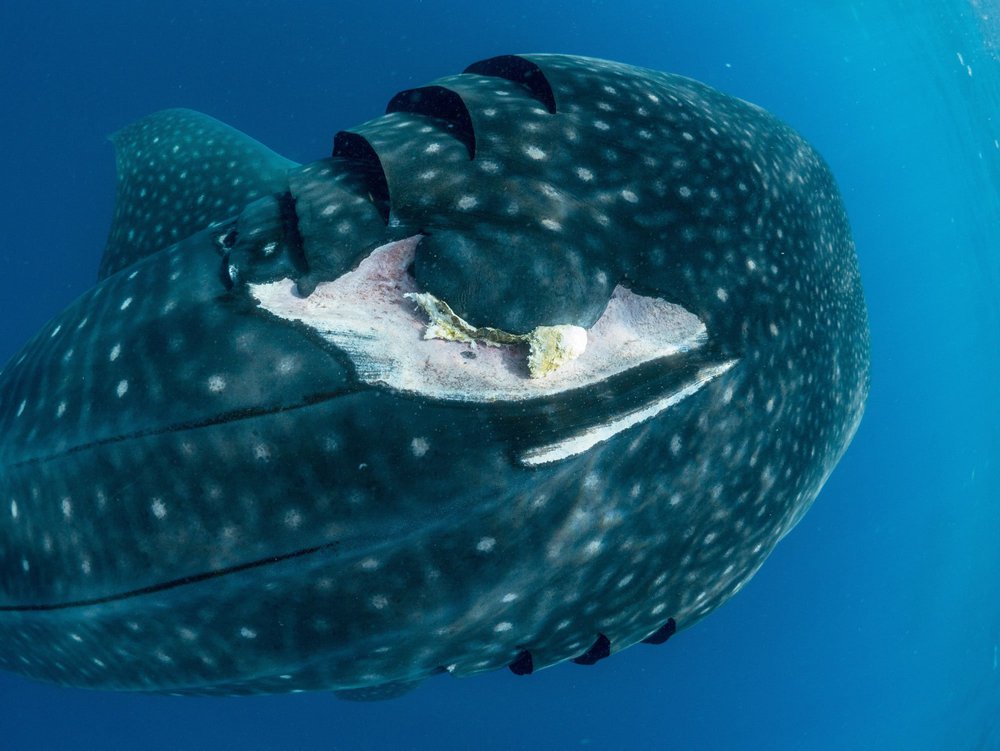
NEW STUDY: Global Shipping Threatens Whale Shark Hotspots
New research has found that heavily used shipping lanes pass through crucial whale shark feeding grounds, posing a threat to this endangered species.

MMFs Jessica Pate Awarded Sea Hero for Manta Ray Conservation
Putting manta rays front and center with her identification project
Monthly Update for May
Our May update covers renewed research and outreach in Indonesia, water-safety and community conservation programs in Mozambique, and record manta ray and guitarfish surveys in Florida.
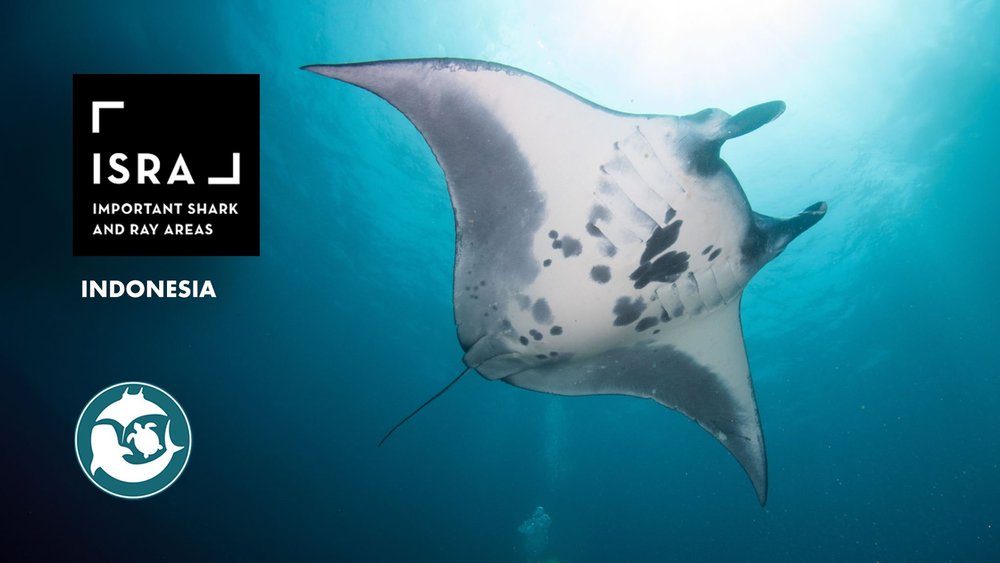
MMF’s Indonesian Research shapes New IUCN Important Shark and Ray Areas
MMF is immensely proud of its role in leading the applications for the designation of new Important Shark and Ray Areas in Indonesia
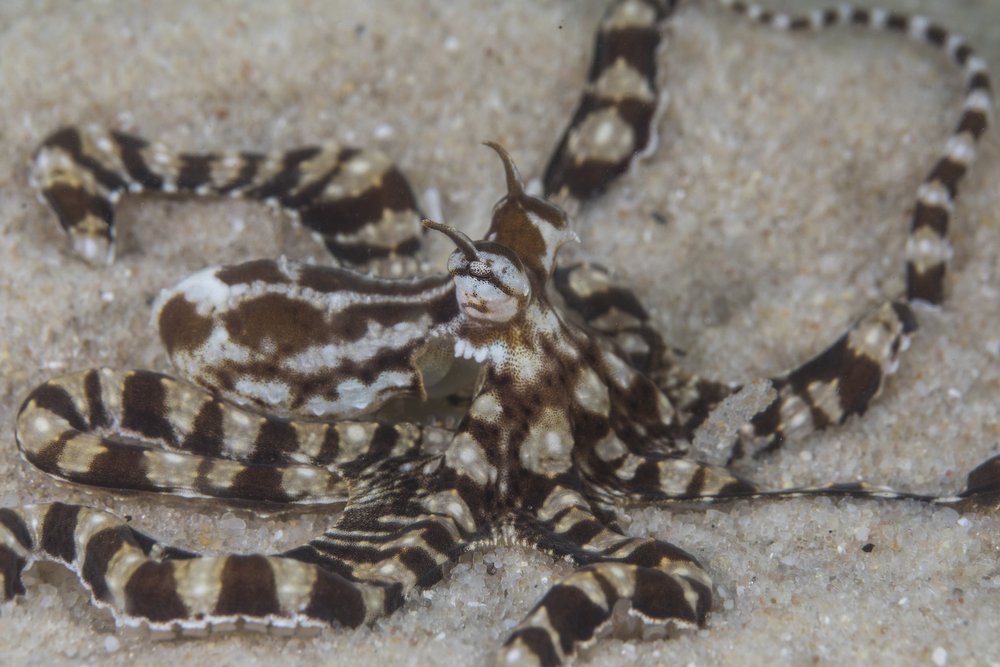
NEW STUDY: Marine Biologists Surprise Discovery of The Shape-Shifting Mimic Octopus in Mozambique!
In a remarkable testament to the hidden wonders of the ocean, researchers at the Marine Megafauna Foundation, in collaboration with the Vilanculos Coastal Wildlife Sanctuary, have made an extraordinary discovery off the coast of Mozambique - the elusive and fascinating mimic octopus
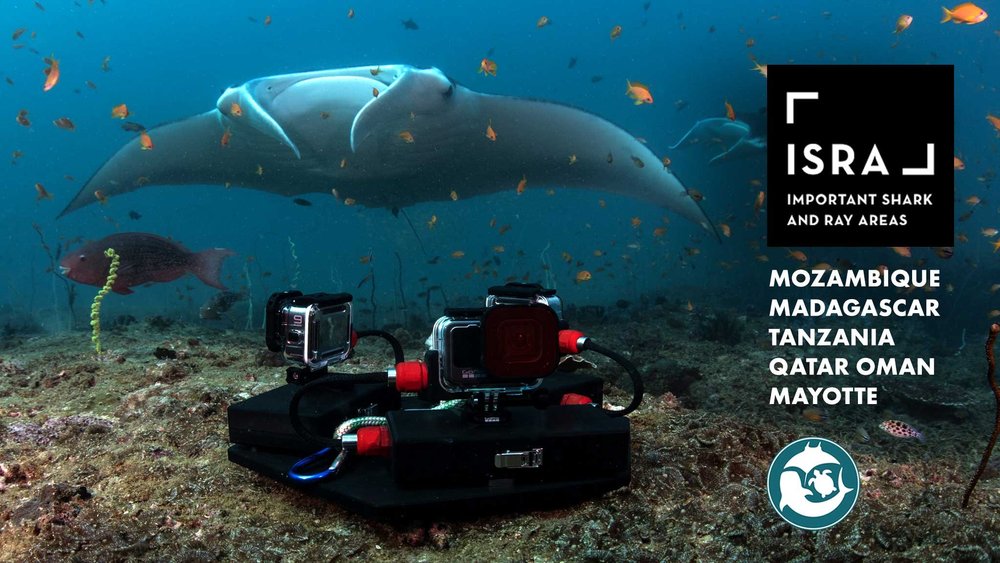
MMF’s Decades-Long Research Pivotal in Establishing New IUCN Important Shark and Ray Areas
MMF’s dedicated research across Mozambique, Tanzania, Madagascar, Qatar, Oman, and Mayotte has been instrumental in identifying these key habitats.
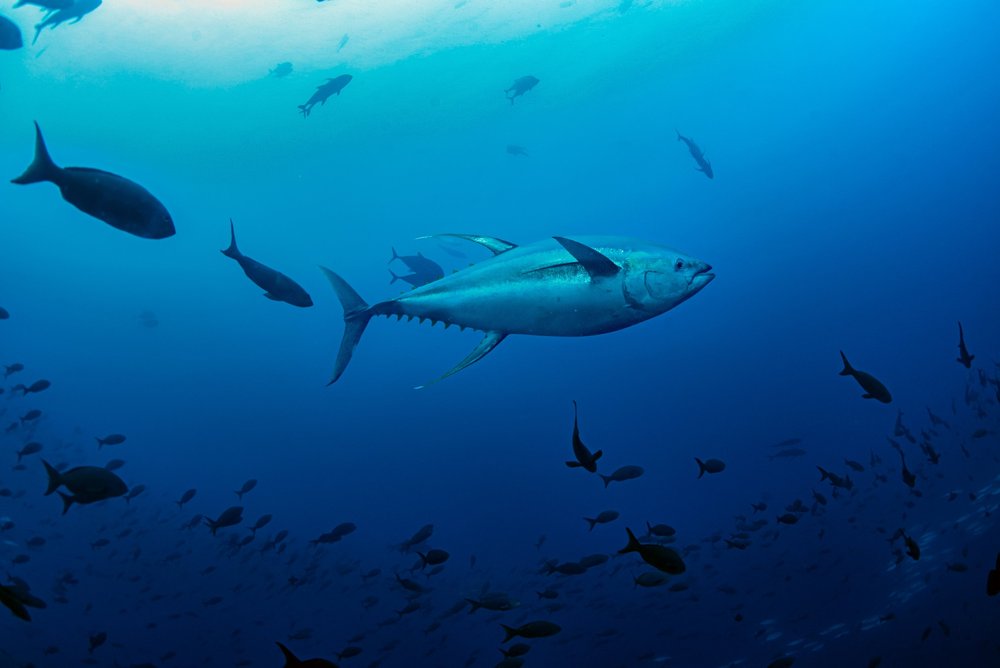
NEW STUDY: Tracking Tuna in Galápagos Helps Guide Climate Change Models
A new study suggests a potential narrowing habitat for tuna, with ripple effects on global fisheries and conservation.
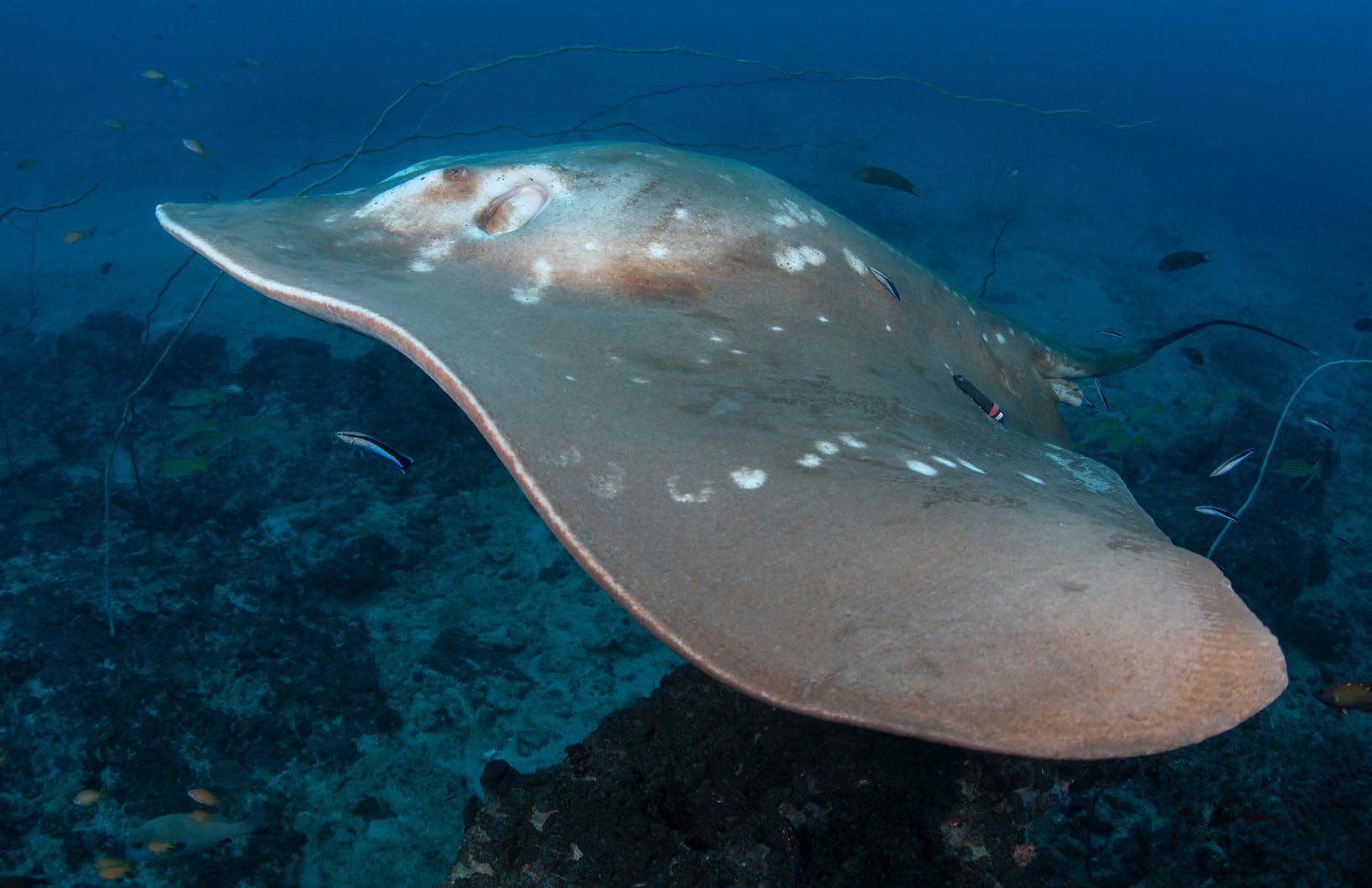
Tagging Smalleye Stingrays
Dr. Andrea Marshall on the first attempt to tag free-swimming smalleye stingrays in Mozambique, and what the first tags revealed about the world's largest marine stingray.
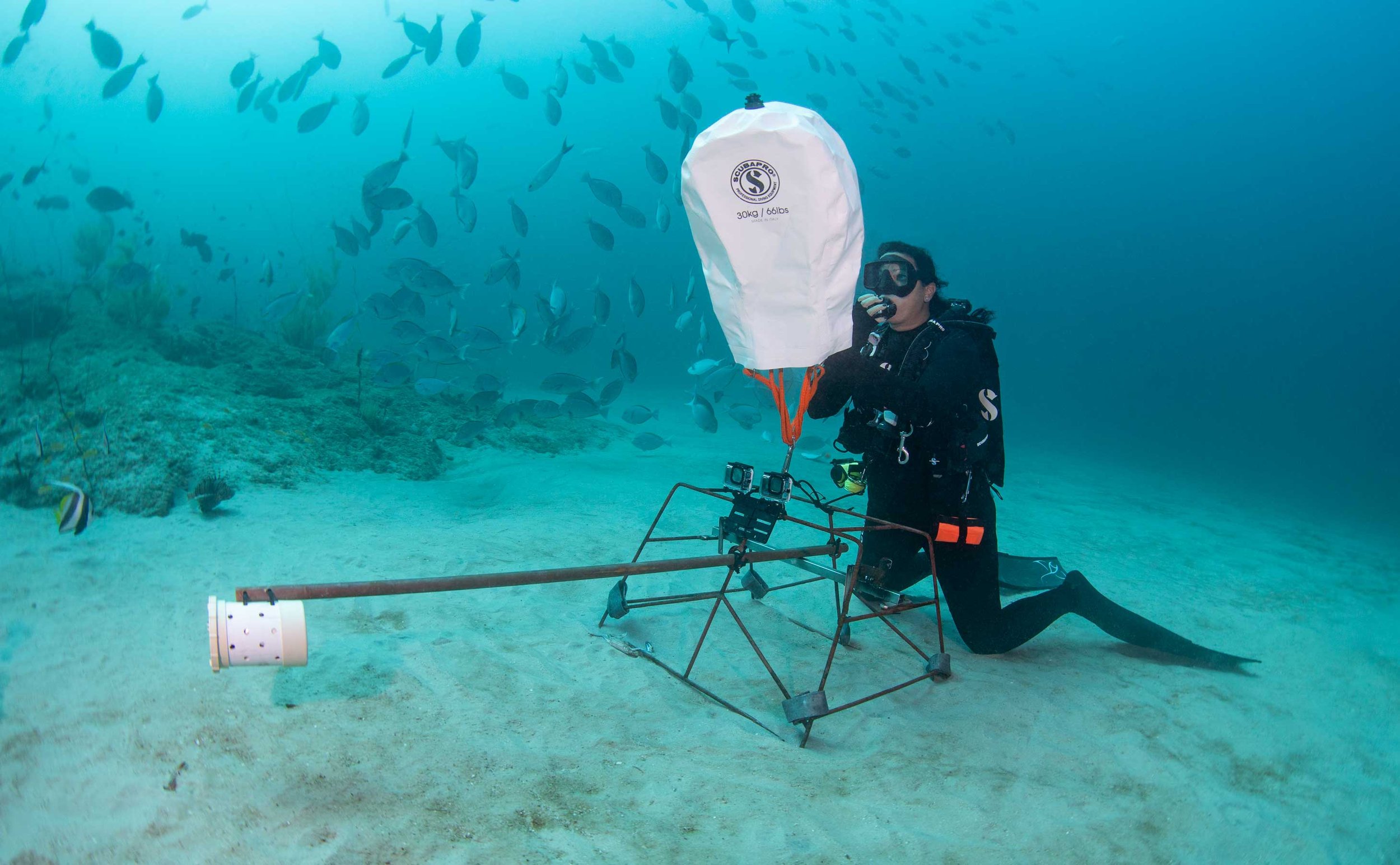
NEW STUDY: Reef sharks are at a much higher risk of extinction than previously thought
Overfishing is driving reef sharks toward extinction, according to new study published in Science.
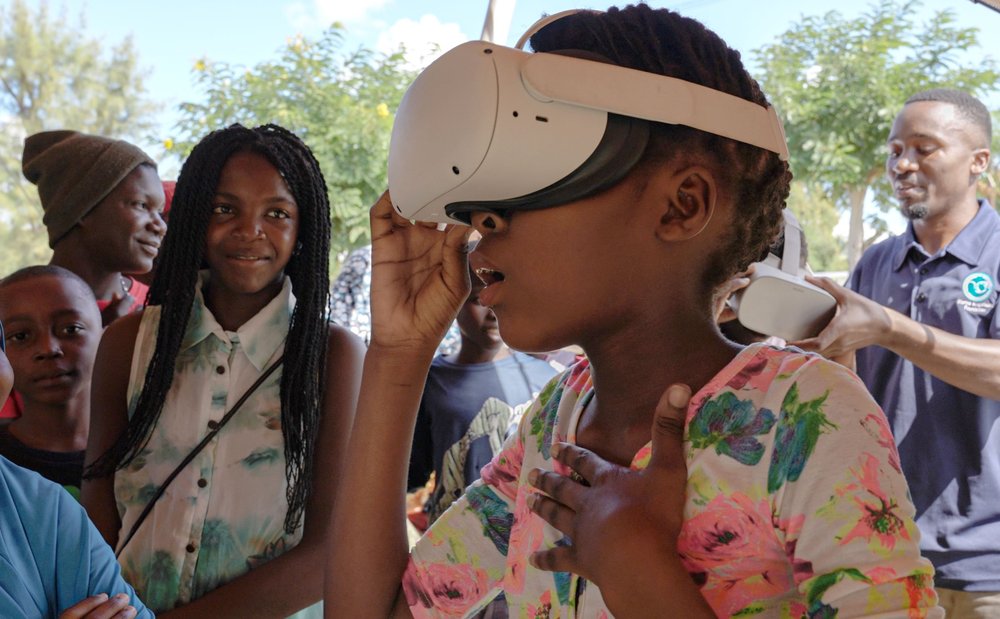
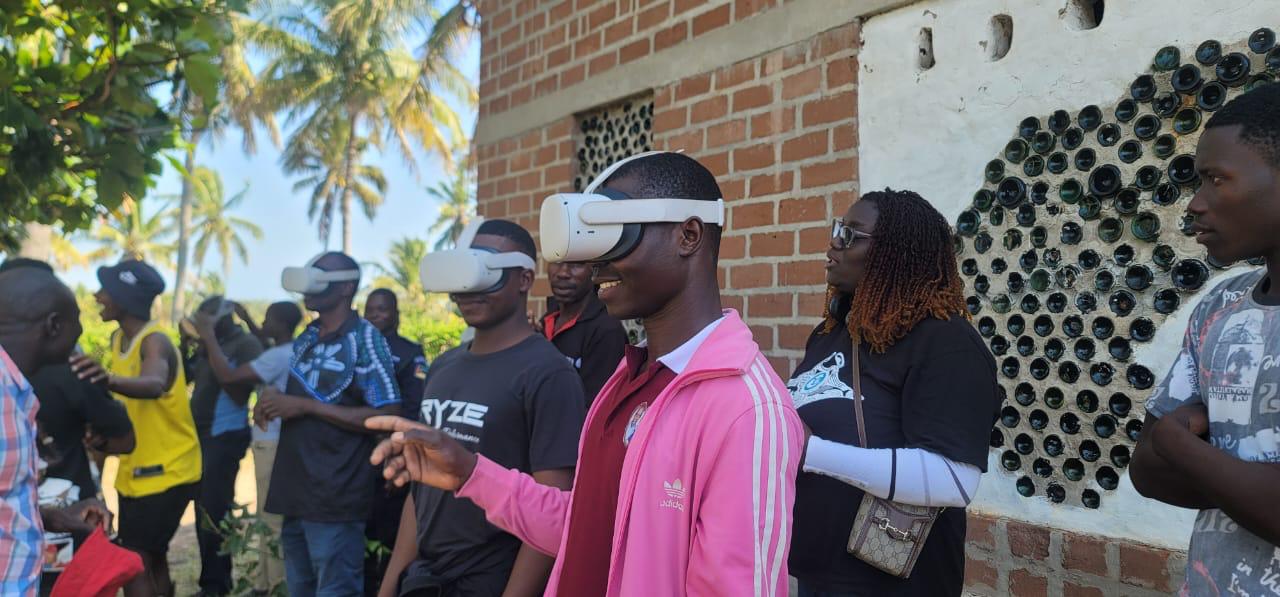
WATCH: How MMF is Utilizing Virtual Reality to Revolutionize Environmental Education
The Marine Megafauna Foundation (MMF) has been harnessing the power of technology to spark a connection between the global public and the marine environment, transforming the way we educate and inspire, especially among the younger generation.
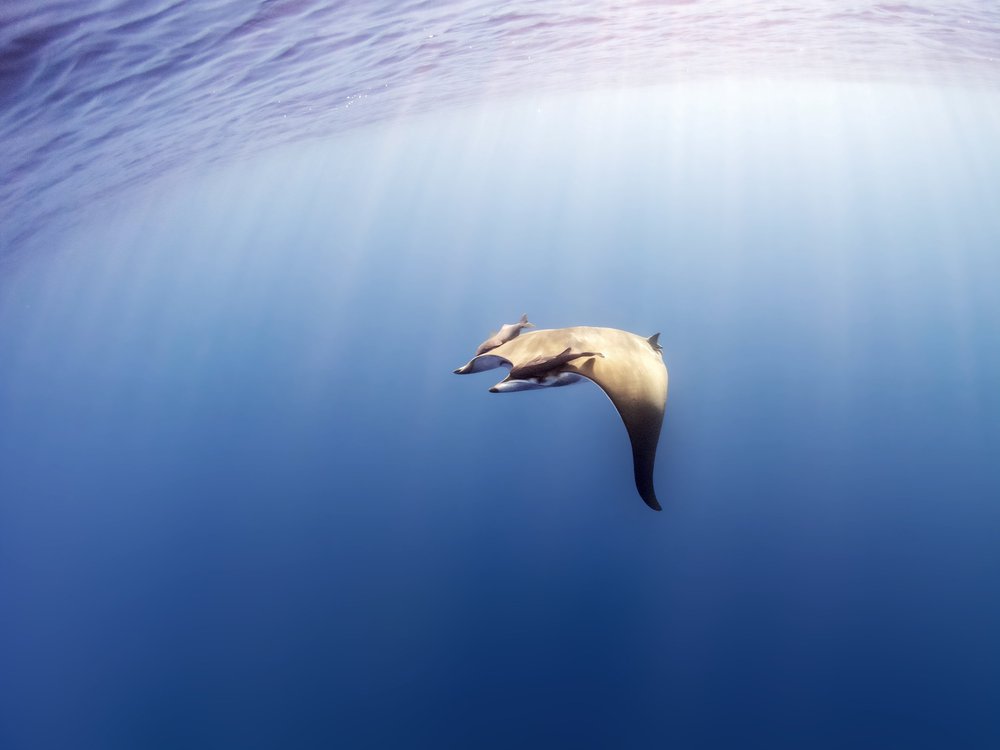
Mysterious Giant of the Sea: 12ft Wide Endangered Sicklefin Devil Ray Found Off the US Atlantic Coast
A new study has shown that the massive 12ft wide sicklefin devil ray (Mobula tarapacana) is present off the US Atlantic coast. Listed as Endangered by the IUCN, this is the first time these huge, elusive rays have been documented in the eastern US.
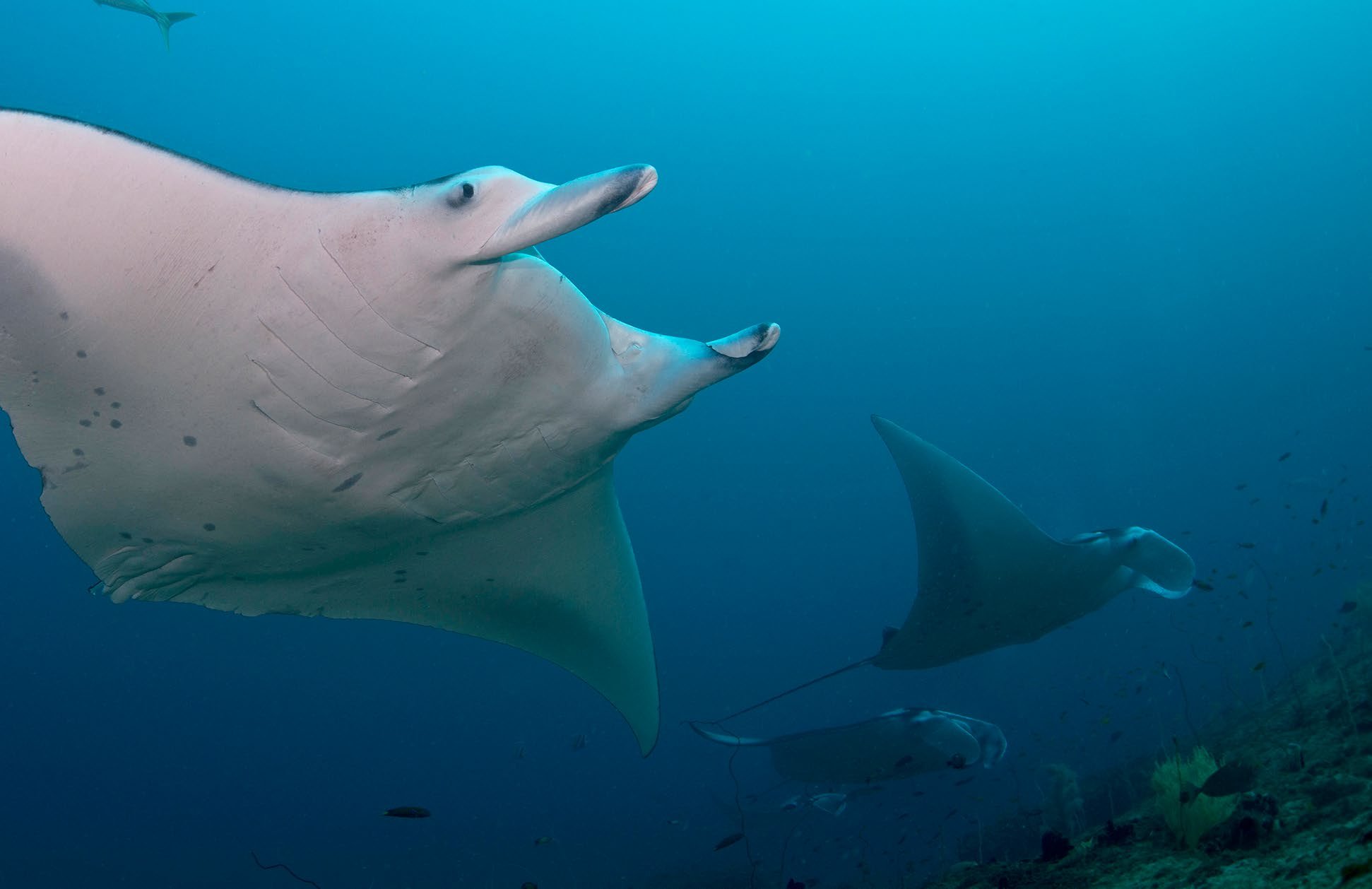
Manta Migrations
MMF research has extended the southern range of the reef manta ray in Africa and documented the first confirmed movements of the species between Mozambique and South Africa.
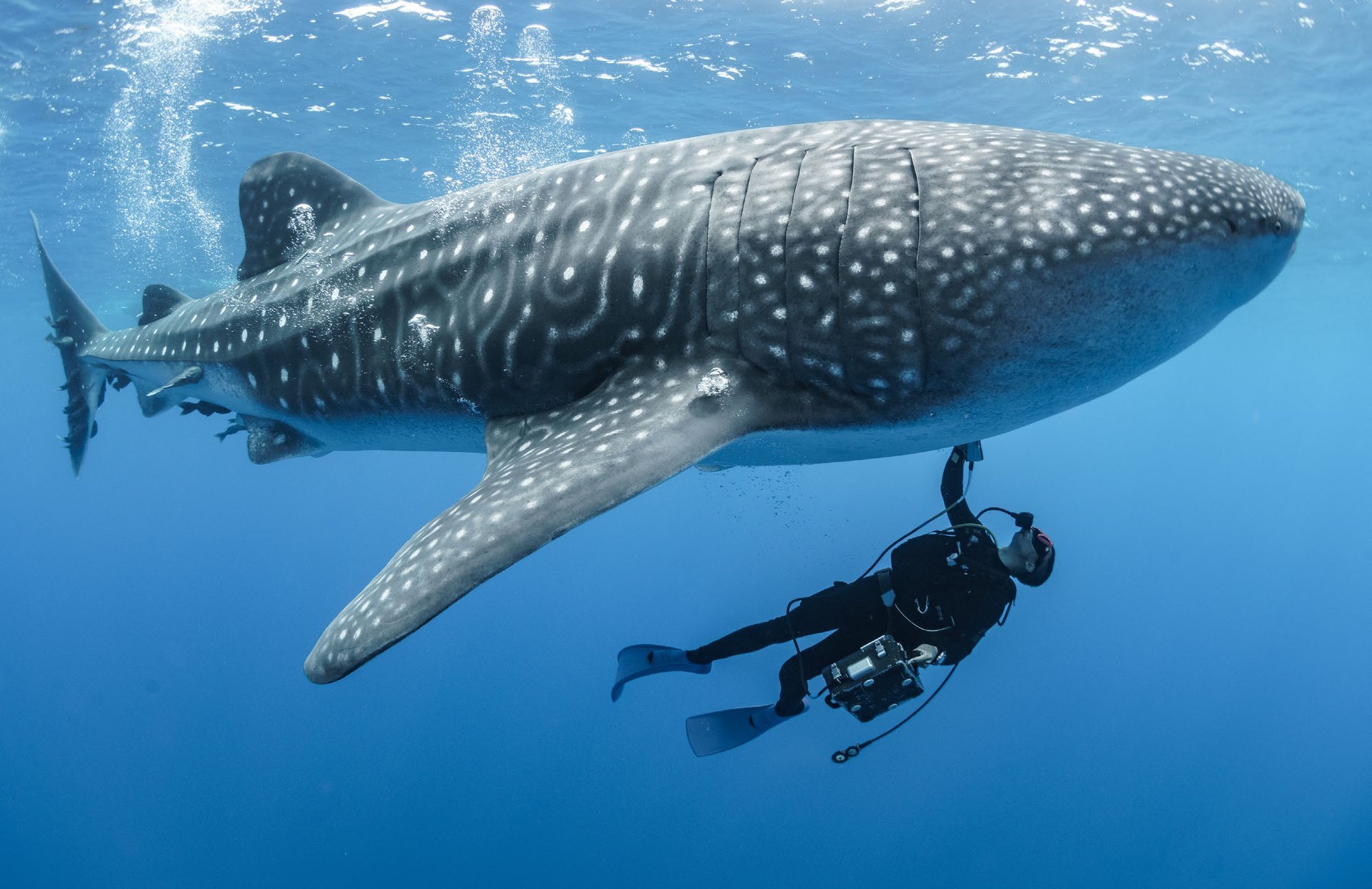
Whale Shark Ultrasounds
A new study from Darwin Island in the Galapagos describes the first use of underwater ultrasound and blood sampling to study reproduction in free-swimming whale sharks.
UNEP’s Green Game Jam 2023 Partners with Marine Megafauna Foundation on Western Indian Ocean Manta Ray Theme
The Marine Megafauna Foundation (MMF) has been named an official Impact Partner for the United Nations Environment Programme

Virtual Reality brings “Flight of the Mantas” to life
The Marine Megafauna Foundation (MMF) has partnered with Immotion, the leading provider of location-based VR edutainment, to create an educational and immersive virtual reality (VR) experience titled "Flight of the Mantas."

A Tribute to Sir Sebastian Roberts
It is with profound sadness and a heavy heart that MMF mourns the passing of Major-General Sir Sebastian John Lechmere Roberts, KCVO, OBE, one of our respected and esteemed board members.
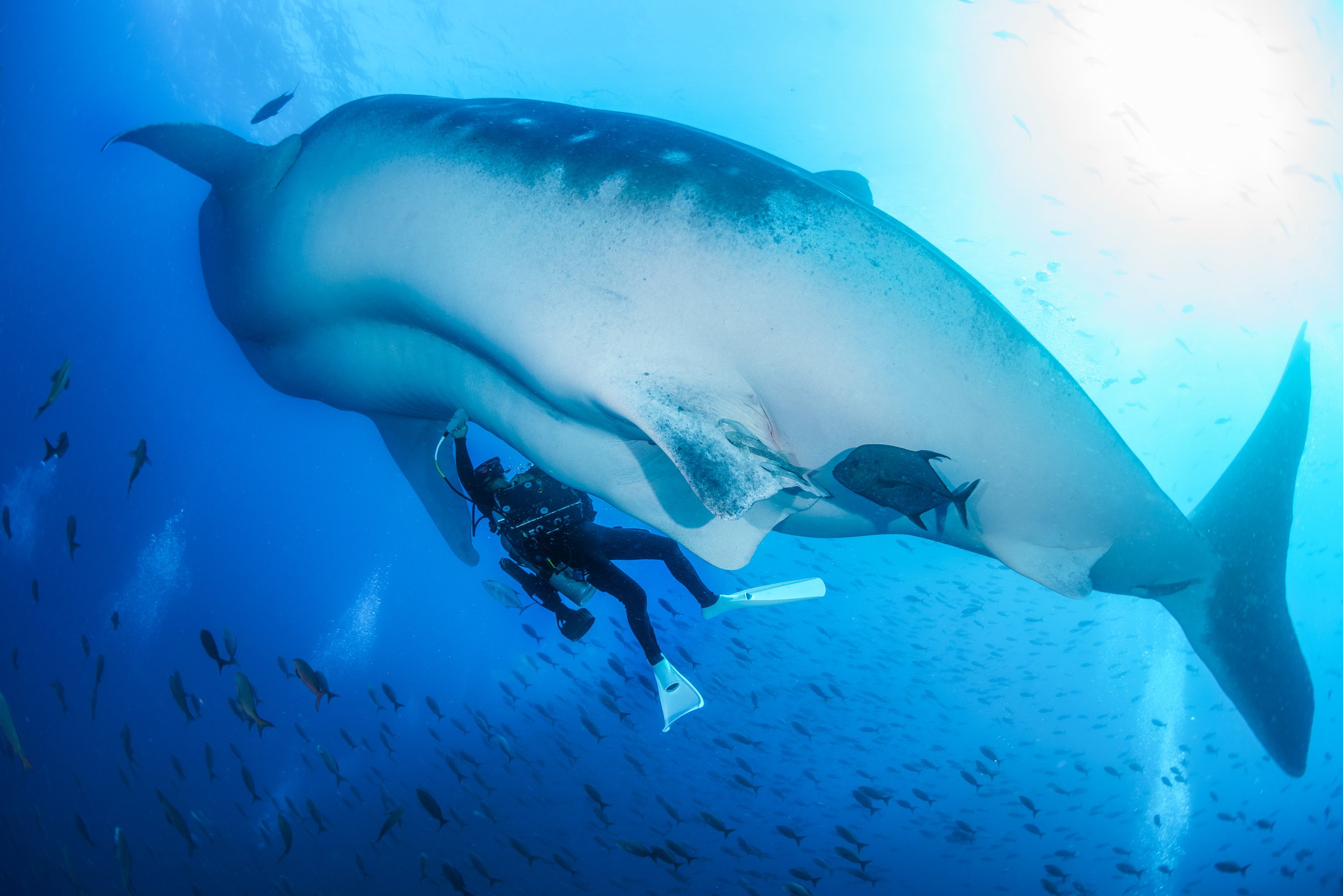
New Science: Studying Whale Sharks in the Galapagos with Underwater Ultrasound and Blood Sampling
We’re very happy to share two new research techniques: the use of underwater ultrasound to study the reproduction of free-swimming whale sharks, and how we can collect blood samples from these same whale sharks in the wild.
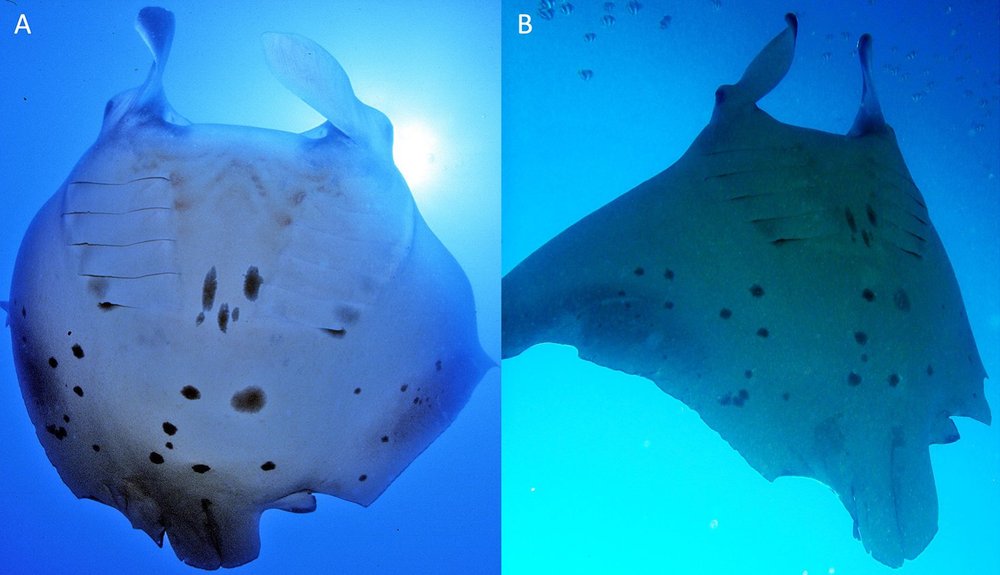
New study confirms a world-first international migration of reef manta rays
New research by the Marine Megafauna Foundation, has extended the southern range of the reef manta ray (Mobula alfredi) in Africa, connecting the longest monitored and highly vulnerable population of reef manta rays along southern Mozambique to the UNESCO World Heritage site of iSimangaliso in South Africa.
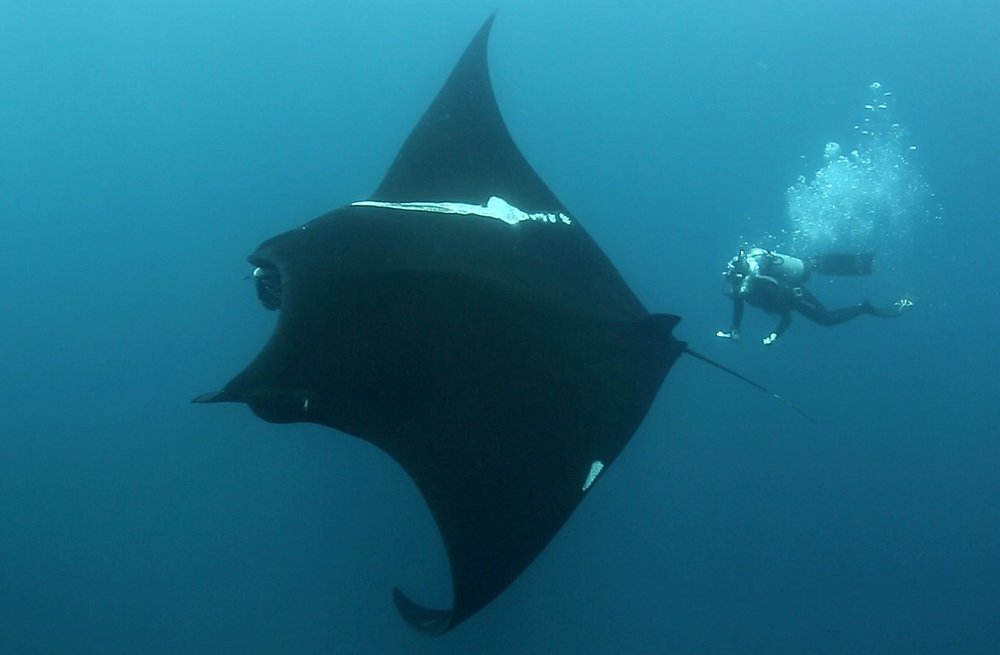
New Study Finds The World’s Largest Population Of Giant Oceanic Manta Rays
New collaborative research on giant oceanic manta rays off the Ecuadorian coast has definitively identified more individuals than any other location in the world, with over 2,800 identified during the 14-year study period.
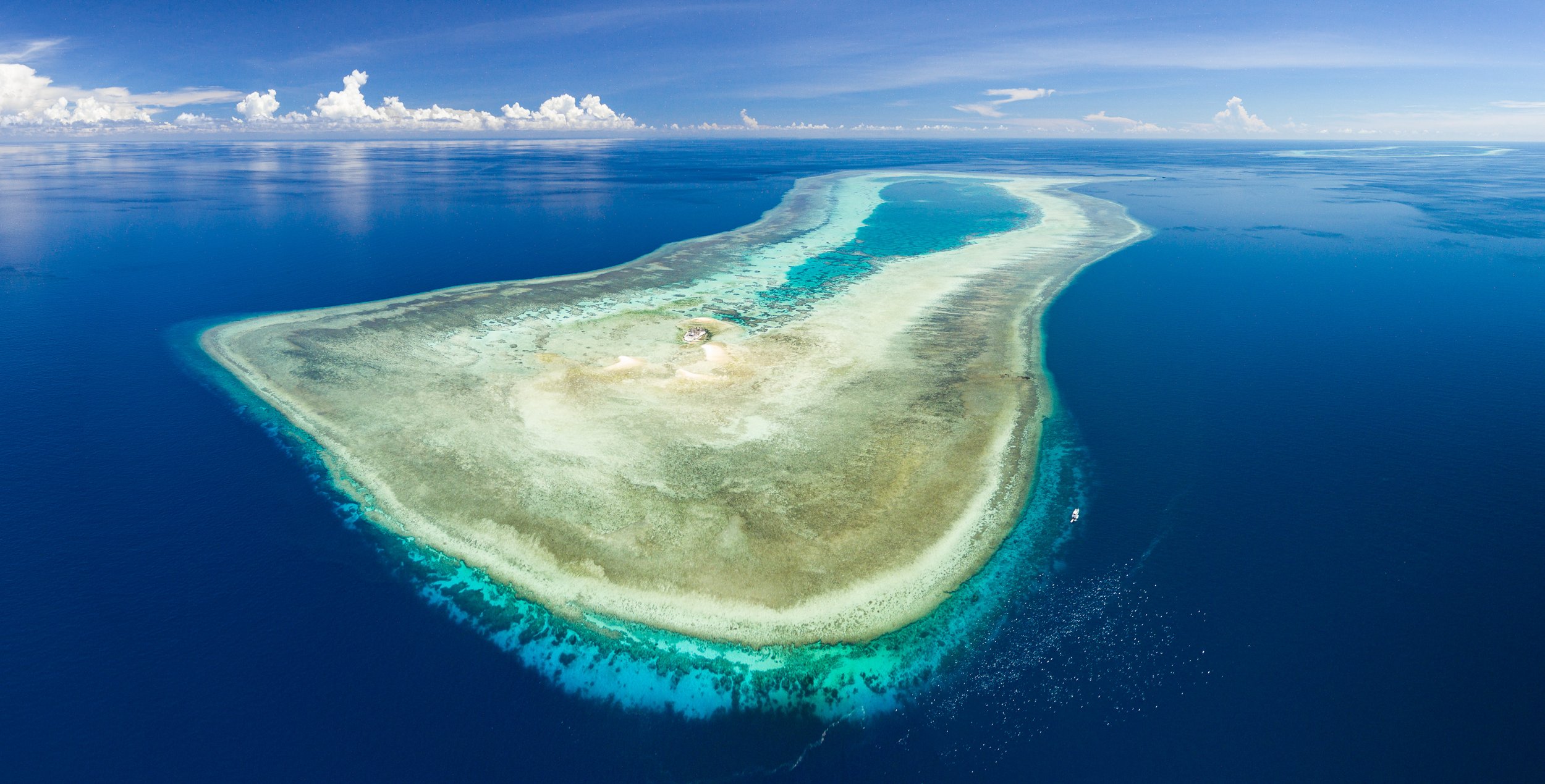
Diving in Shark Heaven: Tubbataha Reefs in the Philippines
Join Andrea Marshall and Simon Pierce for an exclusive liveaboard dive experience in March 2023. At least 23 species of sharks and rays use the park. Tubbataha is one of the only places where whale sharks are routinely seen by divers, and reef mantas are also there, with some reliable cleaning stations.
Creating Ocean Ambassadors
Genaye Domenico on MMF's Sustainable Seas Program in Mozambique, and how community ambassadors and fisheries councils are working towards sustainable fishing.
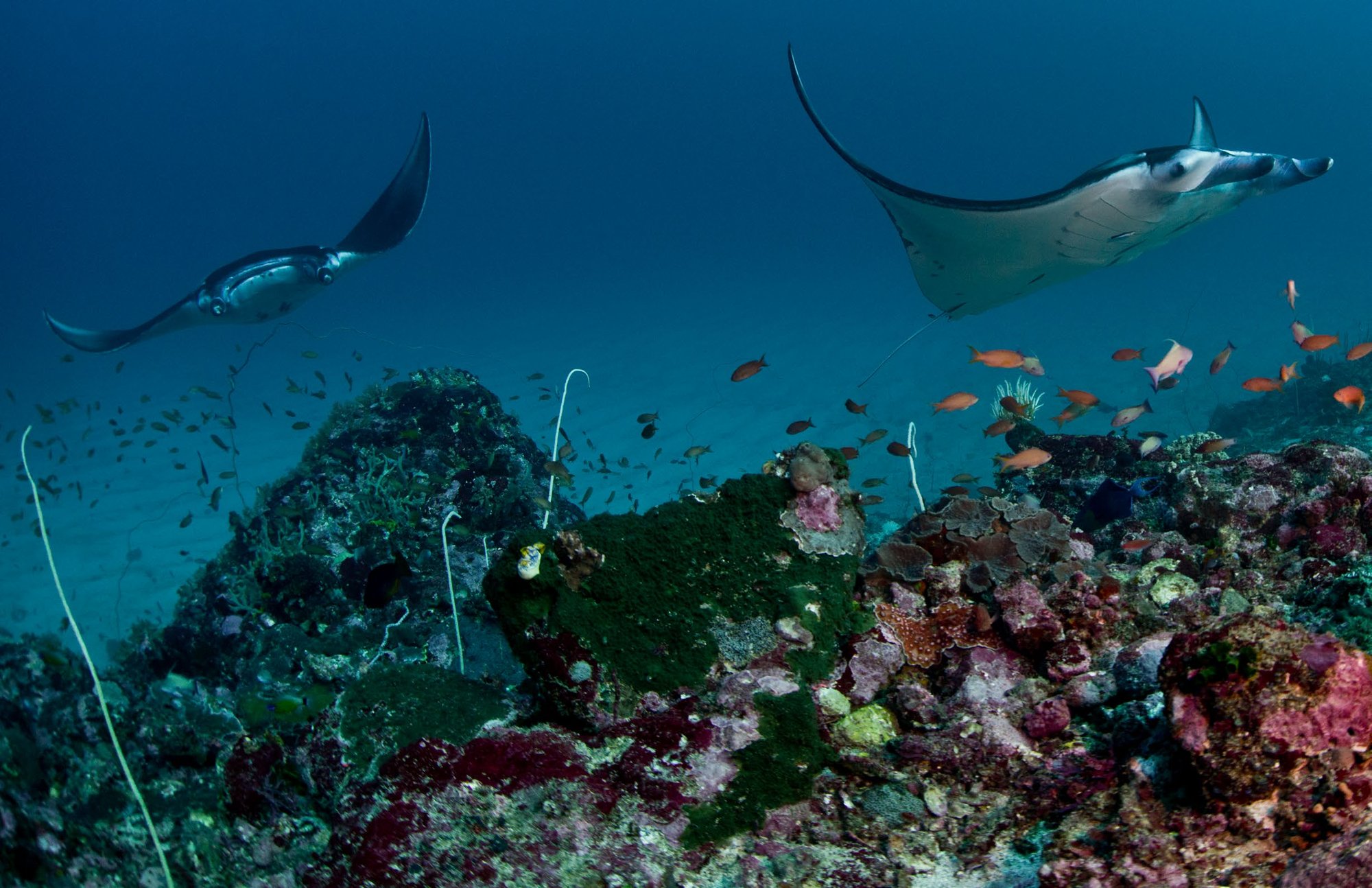
Manta Rays of Komodo
Dr. Elitza Germanov on citizen science, 1,300 identified manta rays, and what her new study reveals about how reef mantas use Komodo National Park.
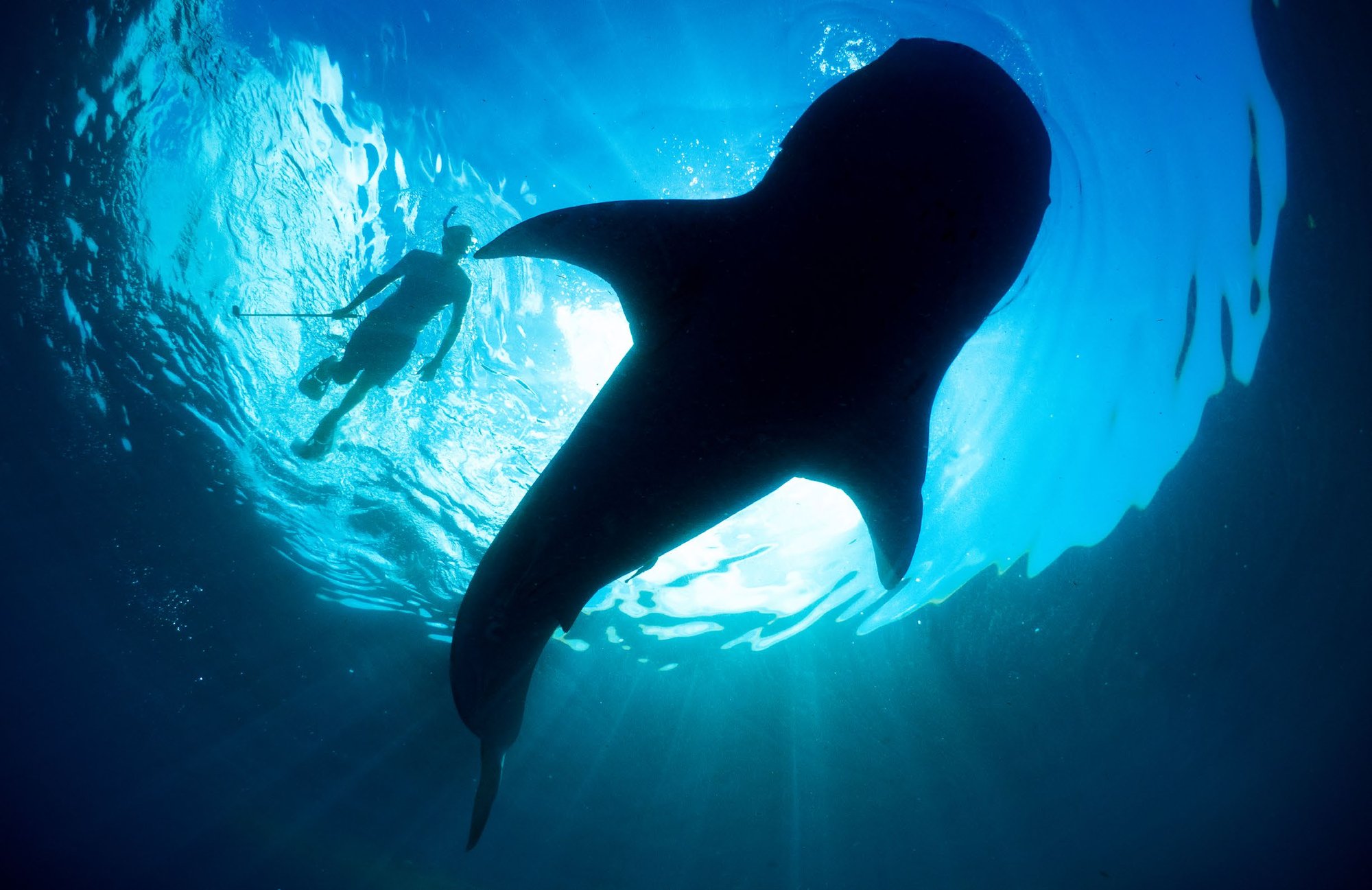
Whale Shark Ecotourism in Mexico
Dr. Clare Prebble's trip report from the Yucatan Peninsula whale shark aggregation, hosting MMF's first post-pandemic Mexico trip with Aqua-Firma.
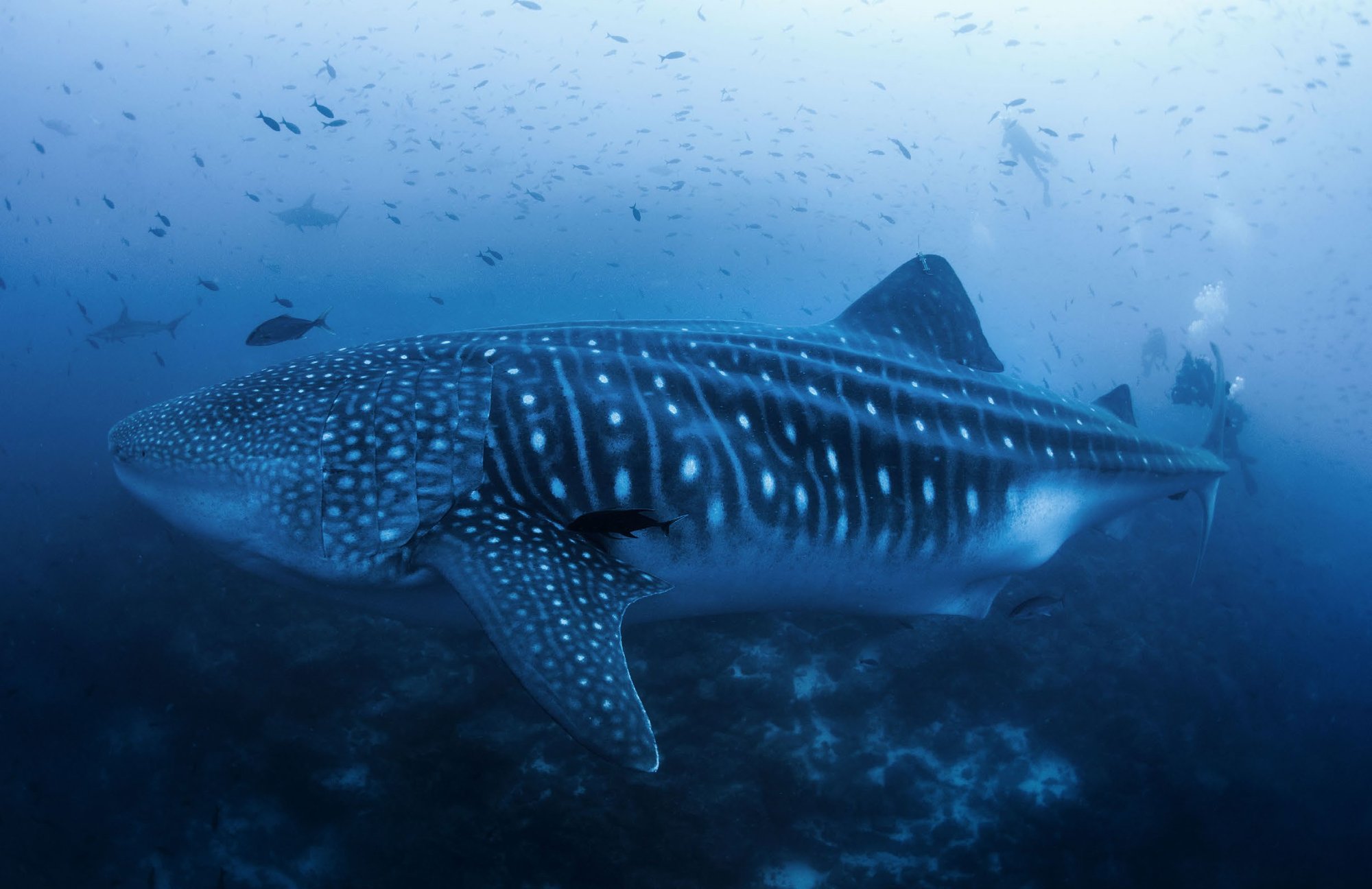
Whale Shark Mysteries
Dr. Simon Pierce on the biggest unanswered questions about whale sharks – where the females and babies live, why the sharks dive so deep, and how long they can live.
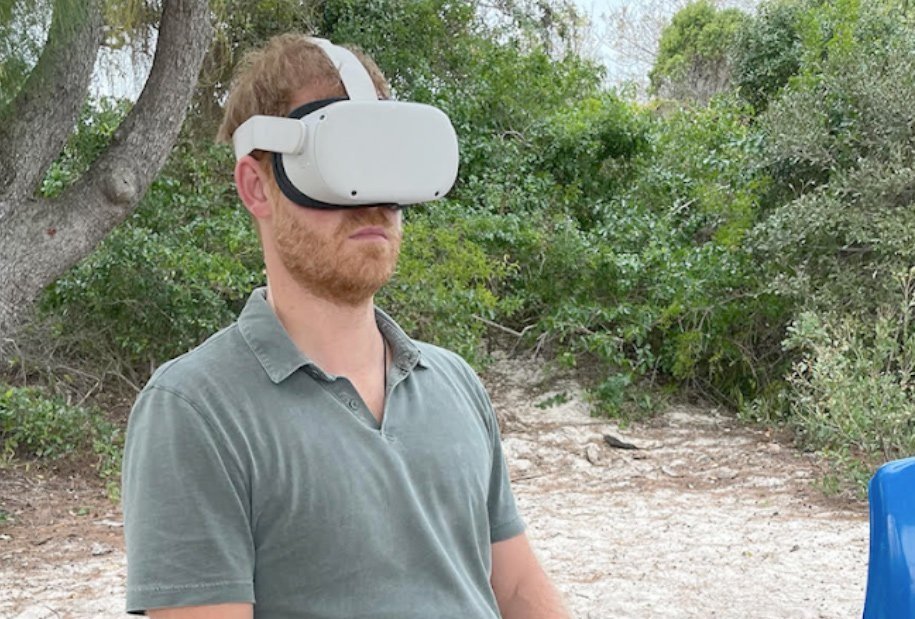
Prince Harry and US Delegation visit MMF Project in Bazaruto to Promote Marine Conservation in Mozambique
In August 2022, MMF led by Co-founder Dr Andrea Marshall spoke with Prince Harry and a US congressional delegation to give unique insight and a virtual tour of Mozambique’s extraordinarily rich underwater world as part of our ongoing efforts to promote and expand Marine Protected Areas (MPAs) in the region
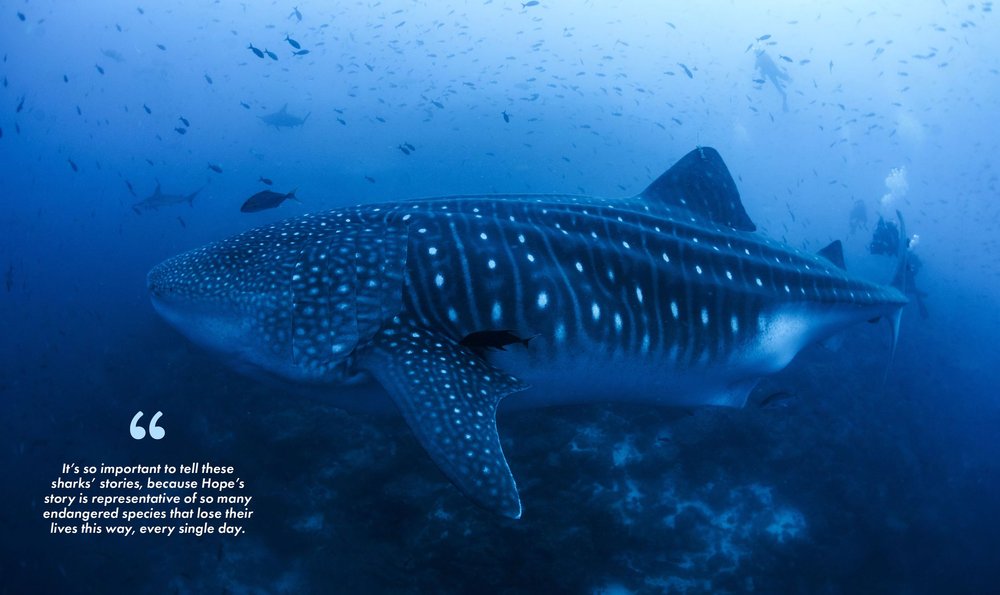
BREAKING: The global operations behind China’s massive fishing fleets targeting the Galapagos Islands revealed
A major new investigative piece from today’s New York Times, “How China Targets the Global Fishing Supply”, highlights how this enormous international fishing fleet has spread across the world’s oceans. The Galapagos Islands are a prime fishing target due to the abundant ocean wildlife.
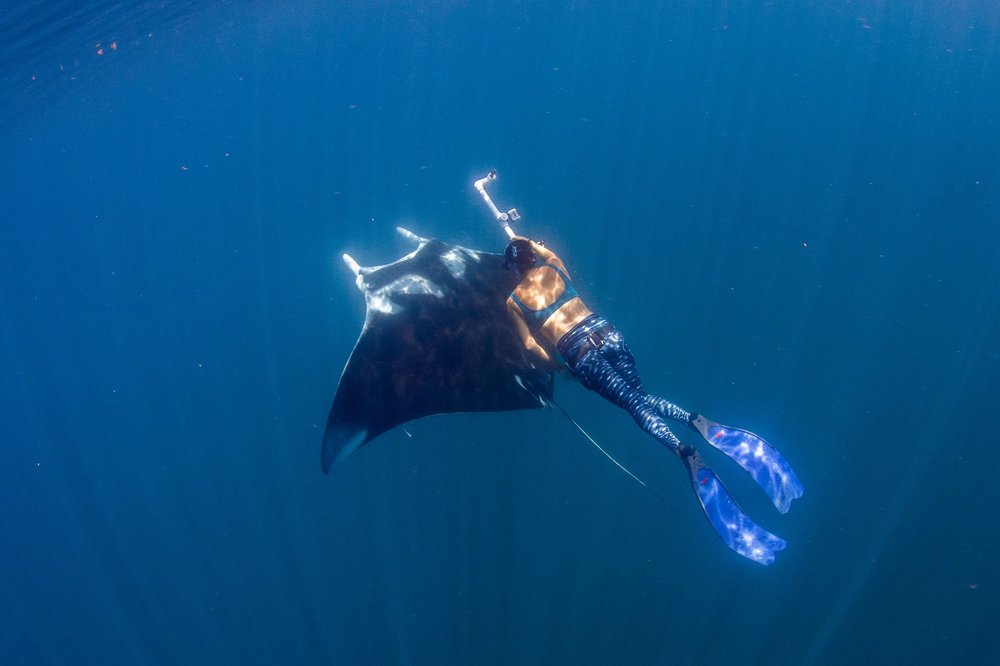
Happy World Manta Day! Here are the latest discoveries on manta rays from our global team
MMF first began as the ‘Manta & Whale Shark Research Centre’ in Tofo, Mozambique, where Andrea Marshall completed the world’s first PhD on the biology and ecology of manta rays. Years later, she and the MMF team continue as world leaders in manta ray research and conservation. To help celebrate these majestic sea flap-flaps, we’ve compiled some updates on the latest discoveries on manta ray from our global team:
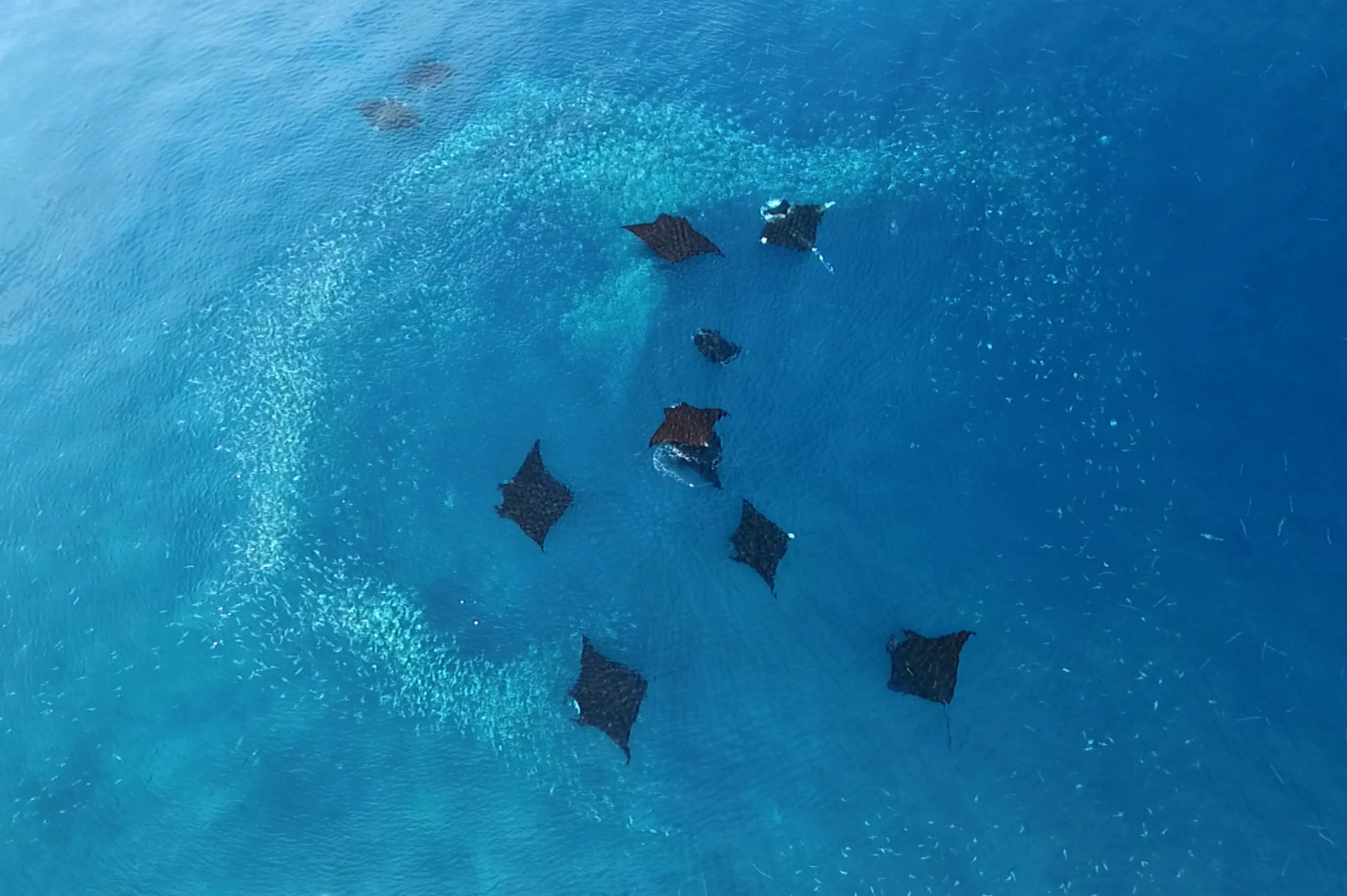
New Study Shows Reef Manta Ray Social Relationships Depend on Individual Behavior Differences
The study reveals that these rays regularly form social groups and that their relationships depend on individual differences in movement behavior.
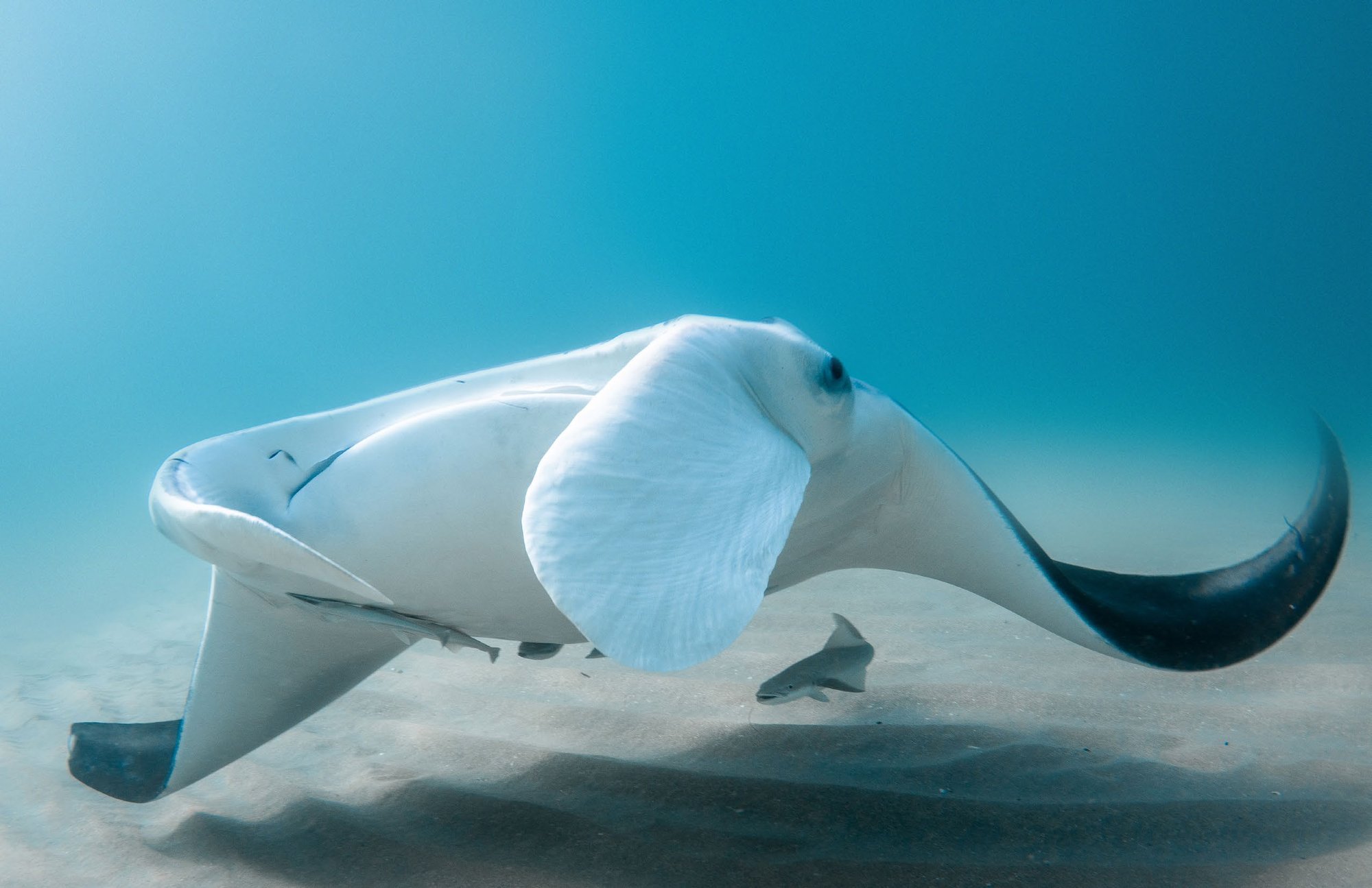
Manta Rays in Florida
Jessica Pate on the Florida Manta Project – a juvenile manta nursery off the beaches of southeast Florida, hundreds of adults in the murk off Cape Canaveral, and what boats and fishing line are doing to them.
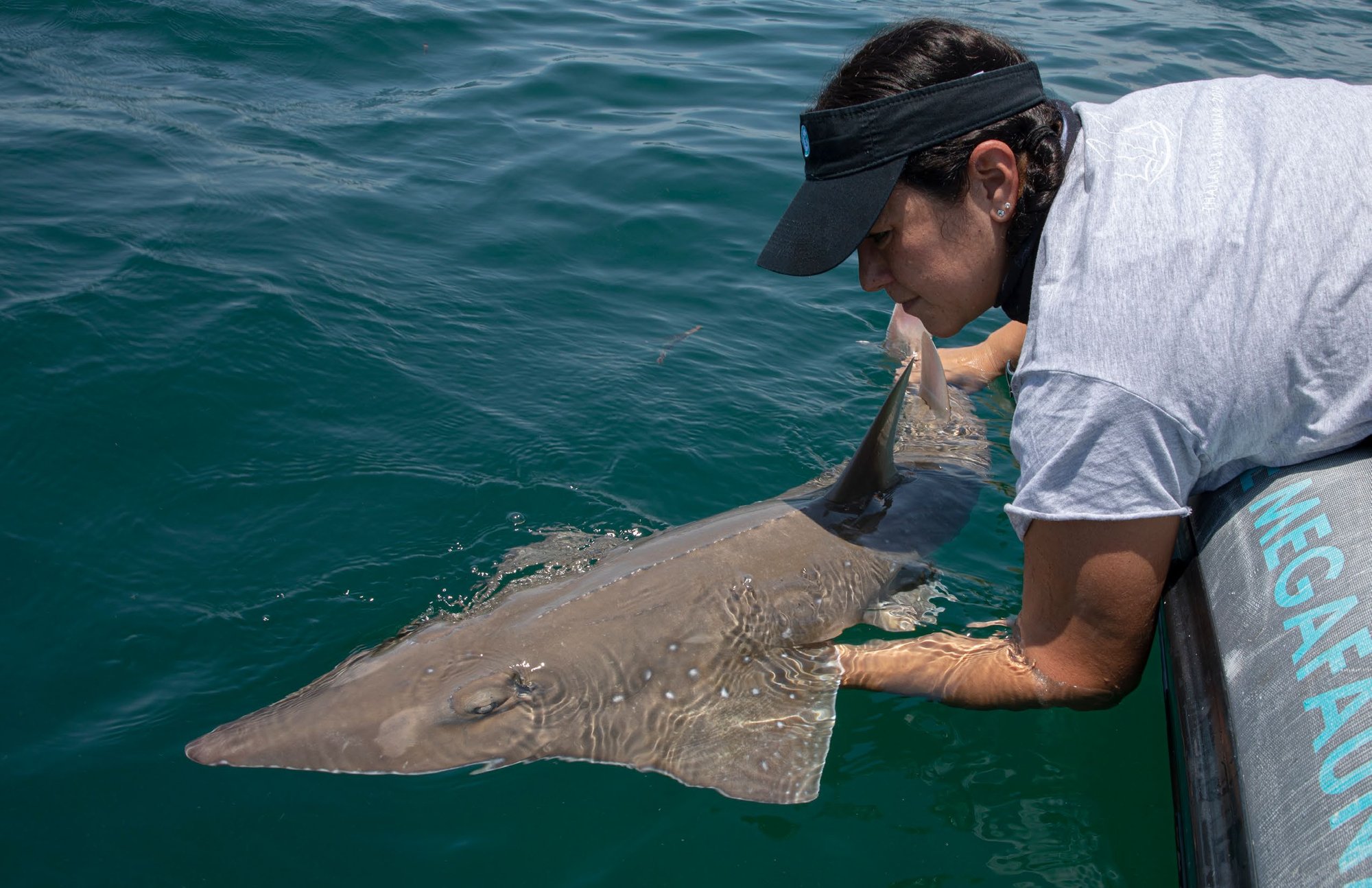
Rhino Rays in Mozambique
Dr. Andrea Marshall on finding, photographing, and tagging the Critically Endangered wedgefish of Mozambique – and why Southern Africa may be a global hotspot for rhino rays.
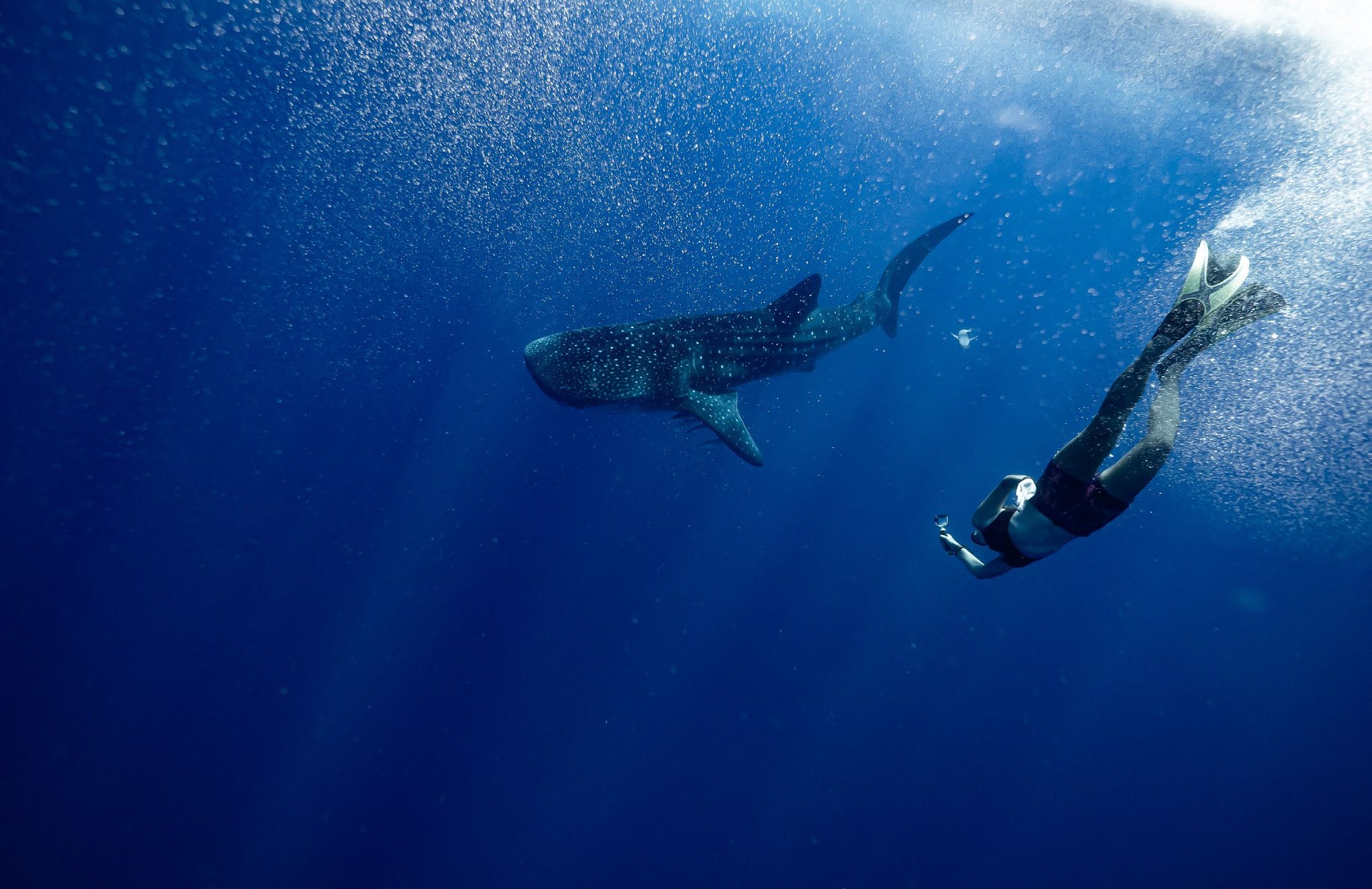
Whale Sharks of Madagascar
Stella Diamant on founding the Madagascar Whale Shark Project – 700 days at sea, 400 identified sharks, and turning unmanaged tourism at Nosy Be into ecotourism that works.
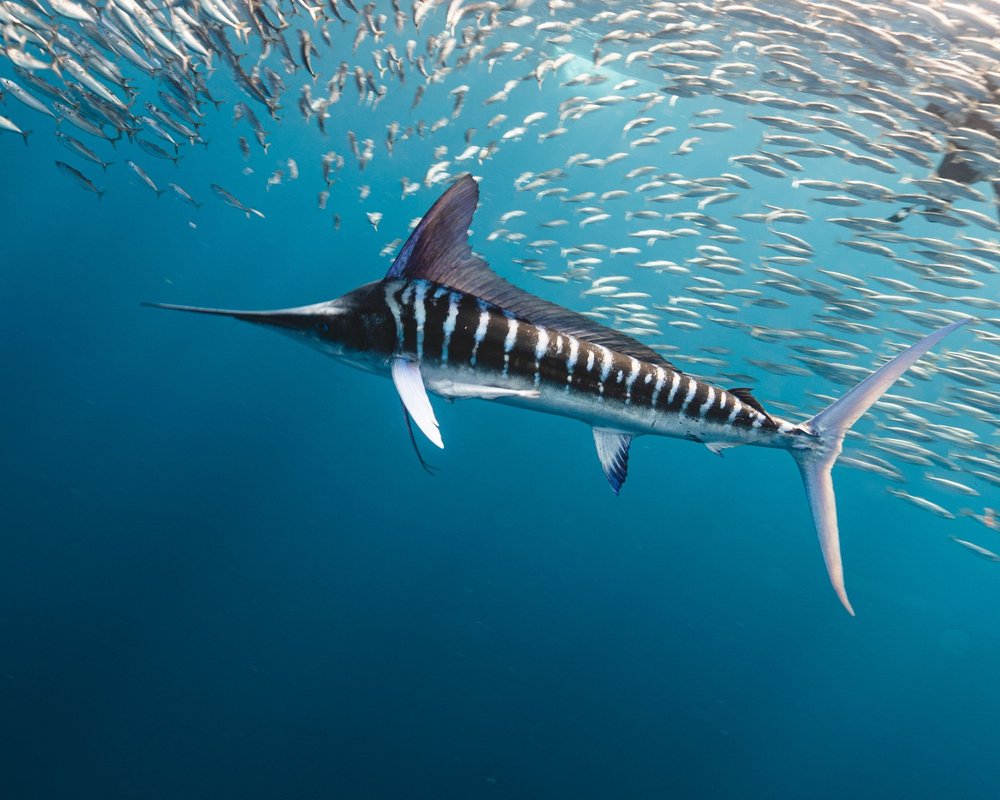
New Study Reveals the Diving Behavior of Black and Striped Marlin
The two marlin species have differences in their diving behavior, which allow them to both be successful, even when sharing the same habitat.
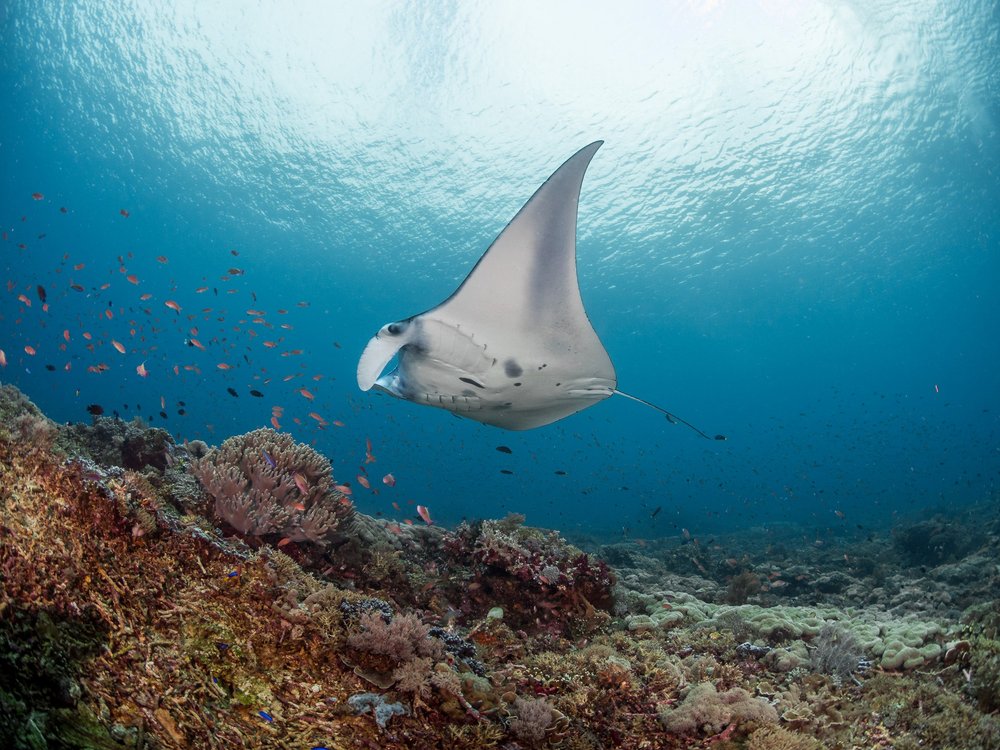
New Study Shows Komodo National Park Holds Some Of The Largest Aggregations Of Manta Rays
The area may hold the key to regional recovery of the threatened species.
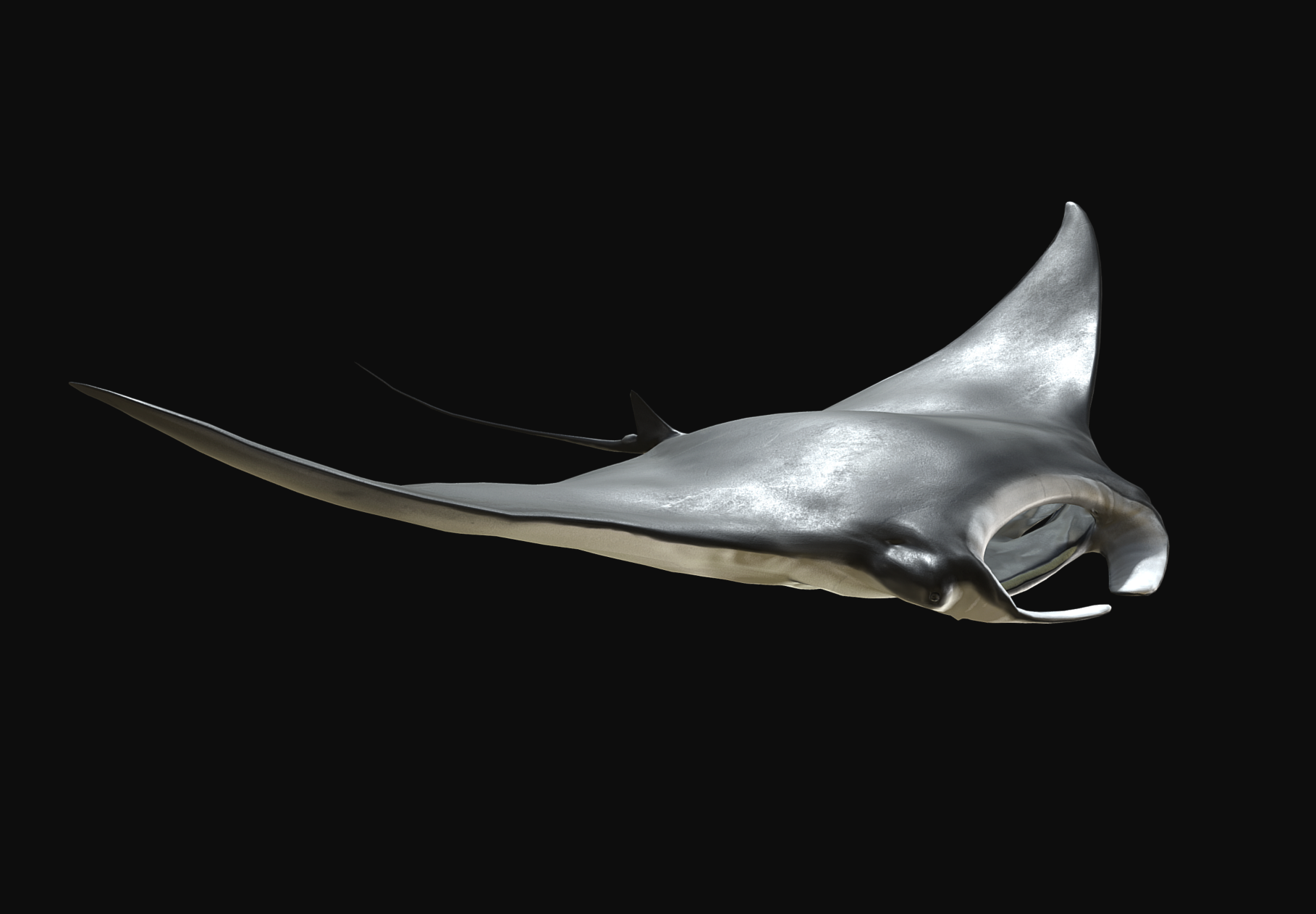
MMF and Partners Create First-Ever Accurate Digital 3D Manta Ray Model
MMF, the Digital Life Project, and ANGARI Foundation built the first accurate digital 3D model of a manta ray, based on Skye, a juvenile manta off Palm Beach County, to draw attention to Florida's young mantas and the threats they face.
_Baa_Atoll,_Maldives_(2018)+CC+BY-SA+4.0.jpeg)
Researchers Document the Rare Ornate Eagle Ray
Although the largest of all eagle ray species, ornate eagle rays are extremely rare, with few records from fisheries and a limited number of sightings in the wild.
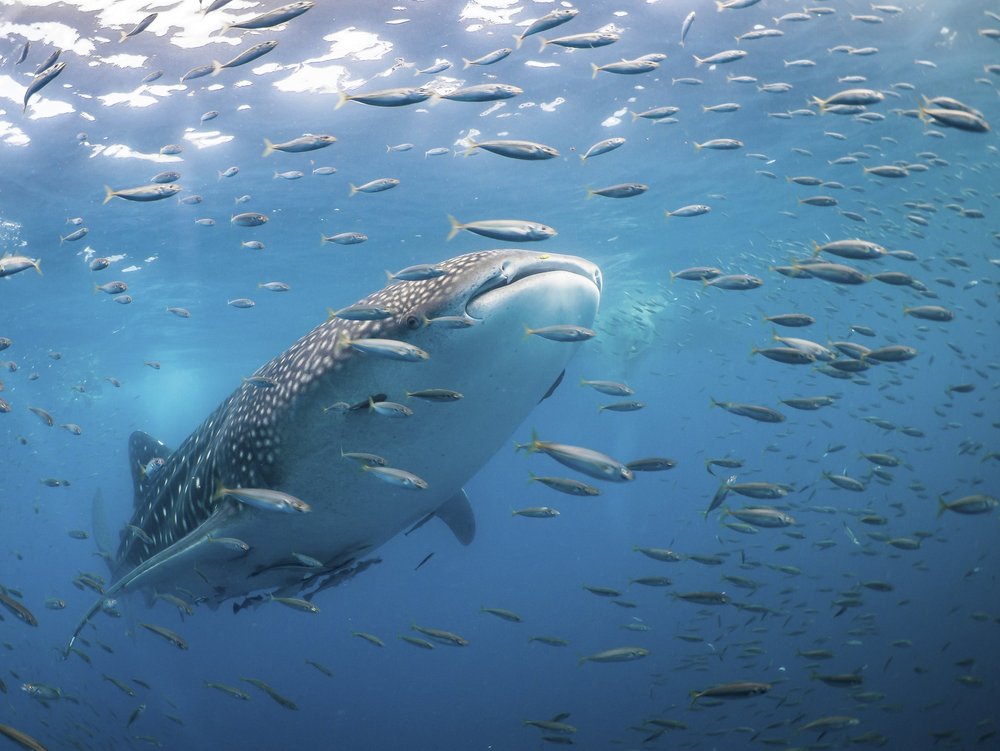
New Study Highlights the Need for Long-Term Population Monitoring of the World’s Largest Fish
Additional modeling of the abundance trends showed that only dramatic decreases or increases could be confidently detected
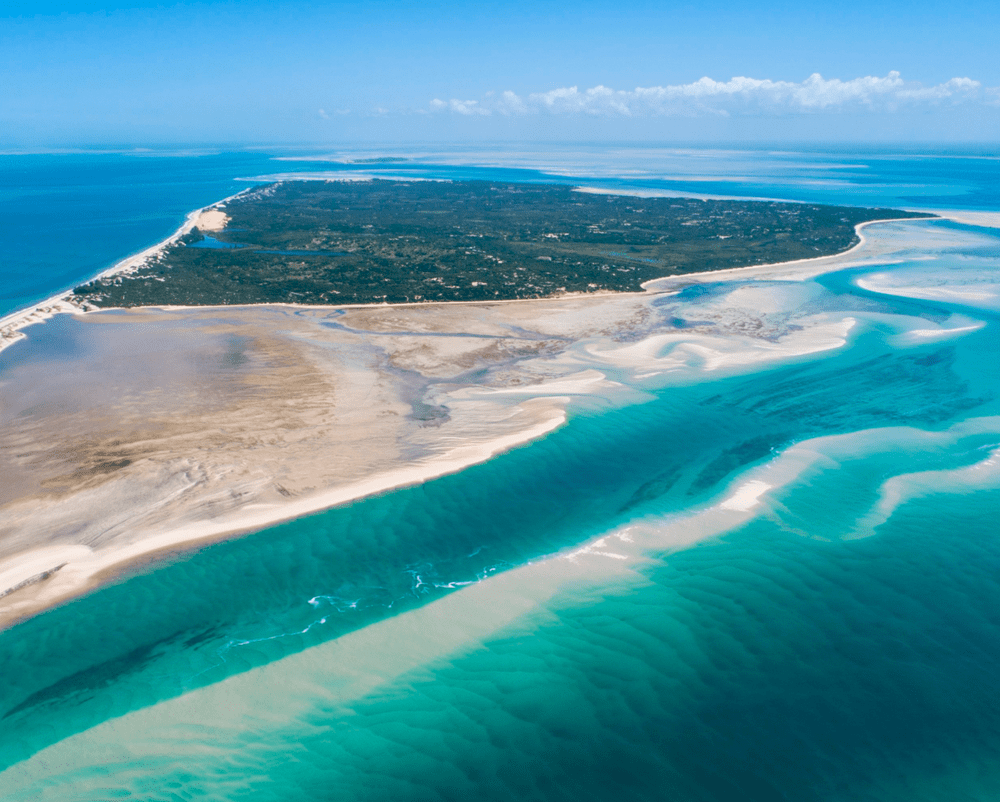
Inhambane Seascape in Mozambique Recognized as Mission Blue Hope Spot
Mission Blue has declared the Inhambane Seascape a Hope Spot in recognition of the spatial planning work being done in the area to develop a network of marine protected areas (MPA) in the surrounding waters.
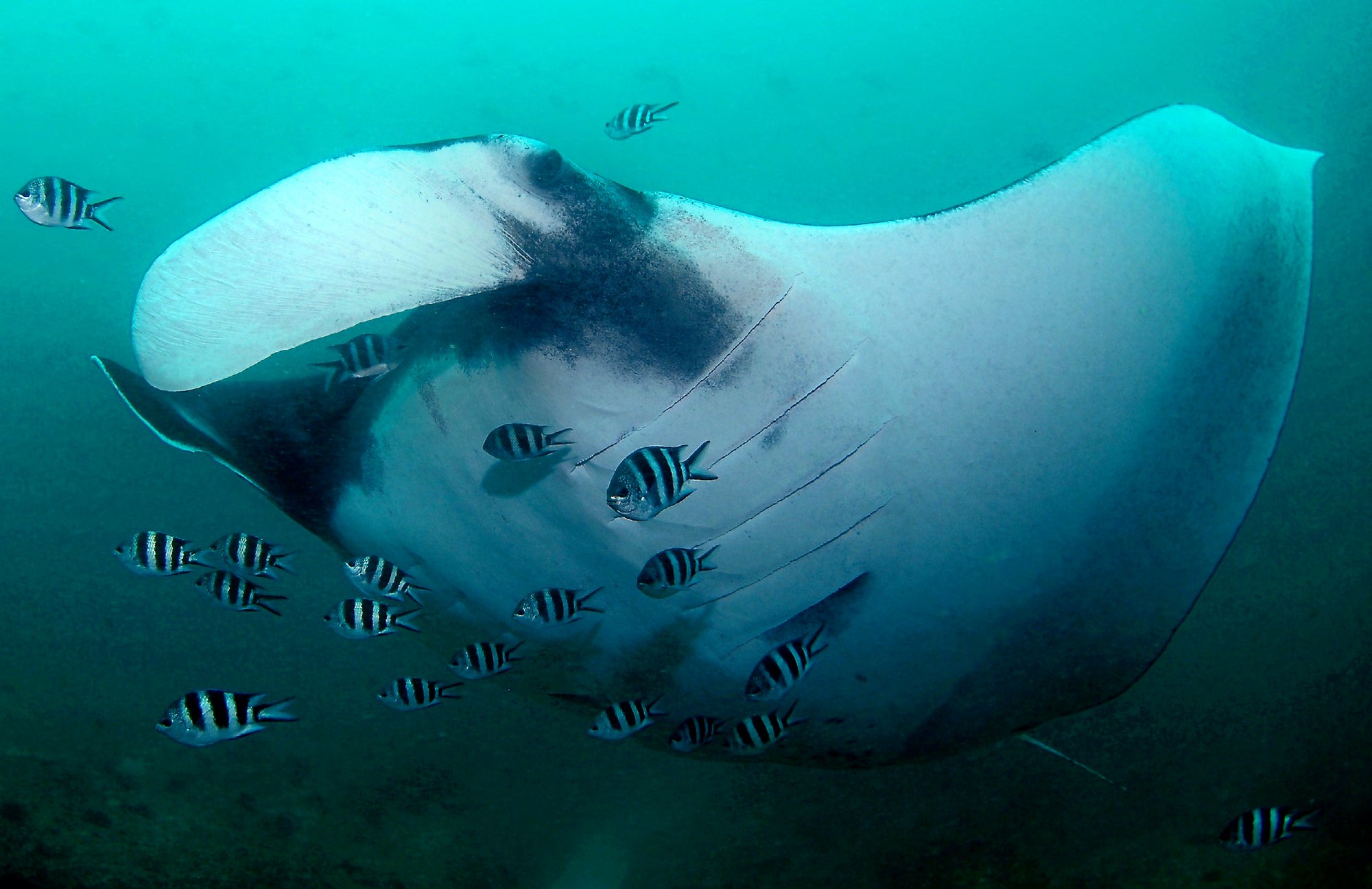
Mantas of Závora
Nakia Cullain on running the Závora Marine Lab in southern Mozambique, and what a decade of sightings data reveals about the reef and giant mantas that gather there.
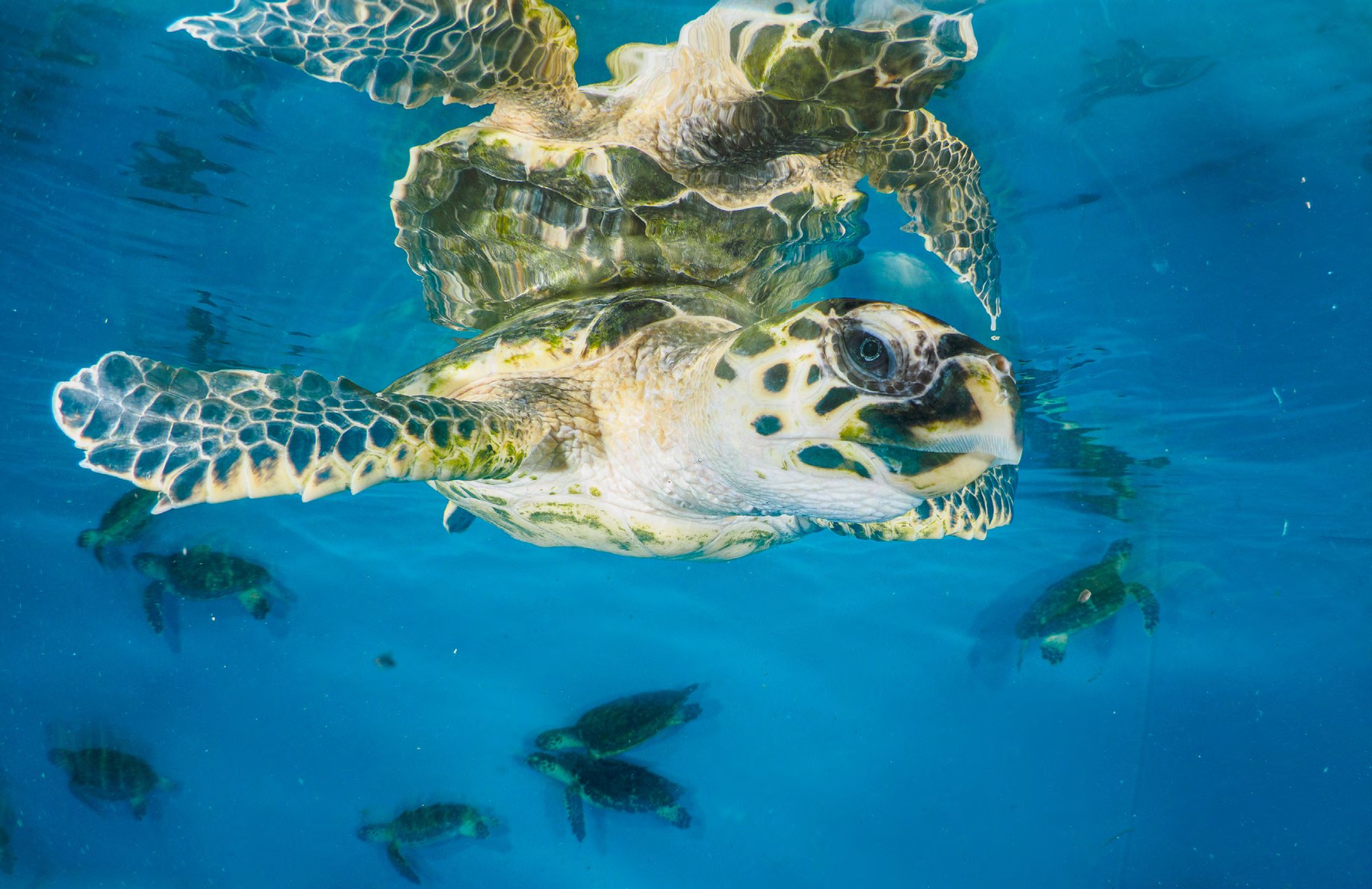
Saving Sea Turtles
Dr. David Robinson on the Dubai Turtle Rehabilitation Project – cold-shocked baby hawksbills, boat-strike injuries, and around 2,000 sea turtles returned to the wild.
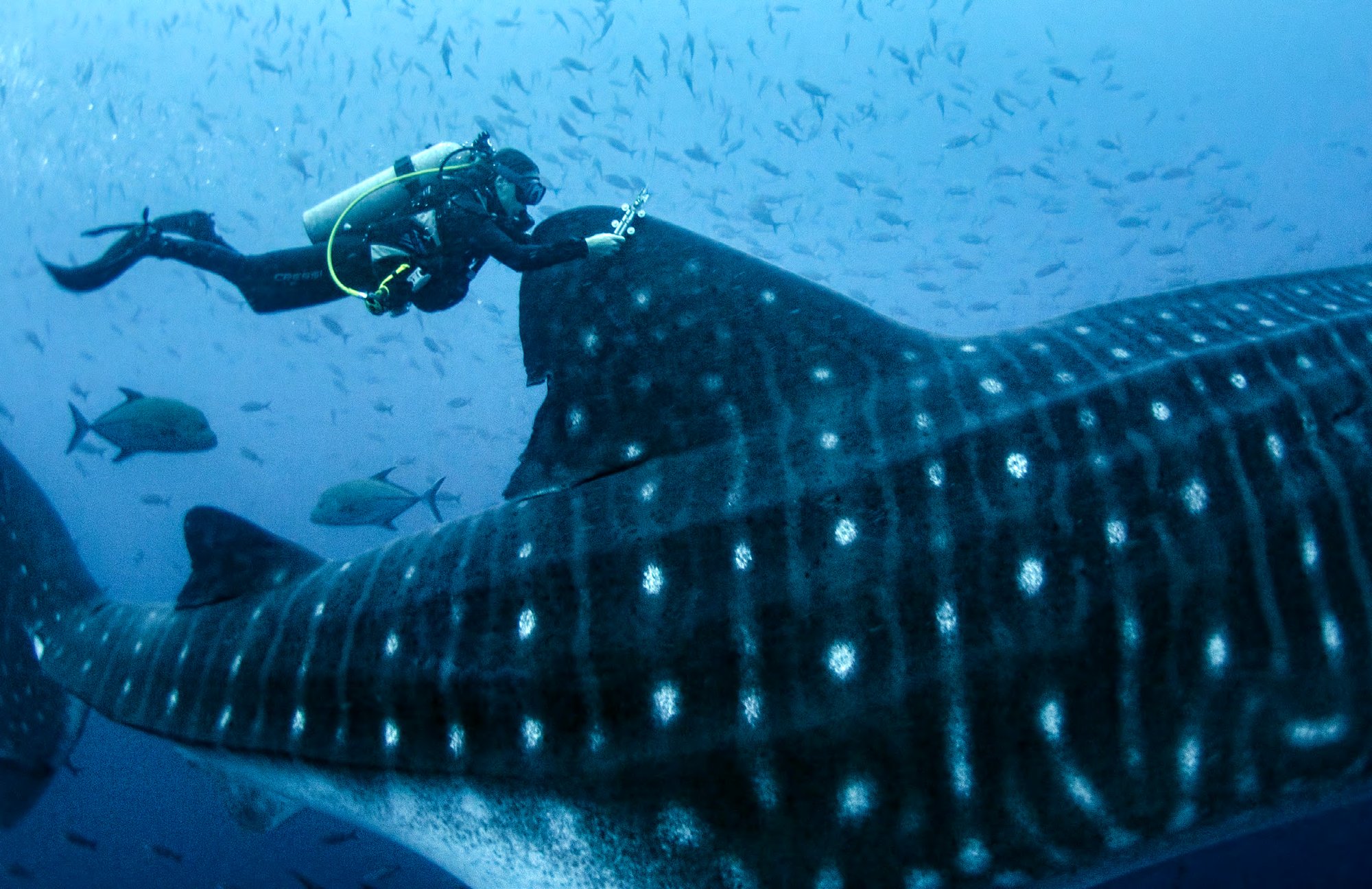
Whale Sharks of Galapagos
Sofia Green on satellite-tagging the adult female whale sharks that pass Darwin Island, where they travel afterwards, and the tagged shark called Hope whose track went dark.
New Study Values Madagascar Whale Shark Tourism at $1.5 Million Amid Calls for Stronger Protections
Calls for sustainable tourism measures to protect whale sharks are overwhelmingly supported by operators and tourists
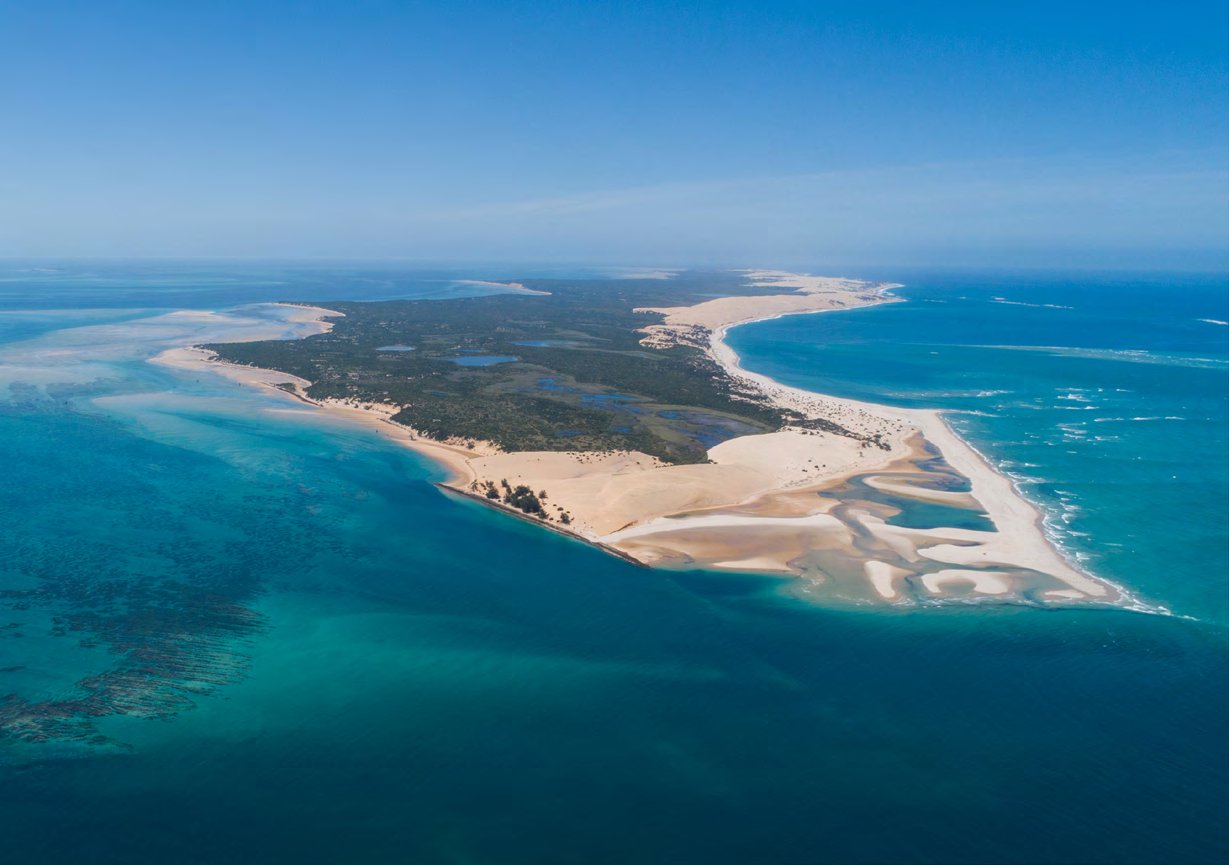
Bull Sharks of Bazaruto
Lukas Mueller on catching, tagging, and tracking the bull sharks of Mozambique's Bazaruto Seascape, and what a decade of acoustic data will reveal about their movements.
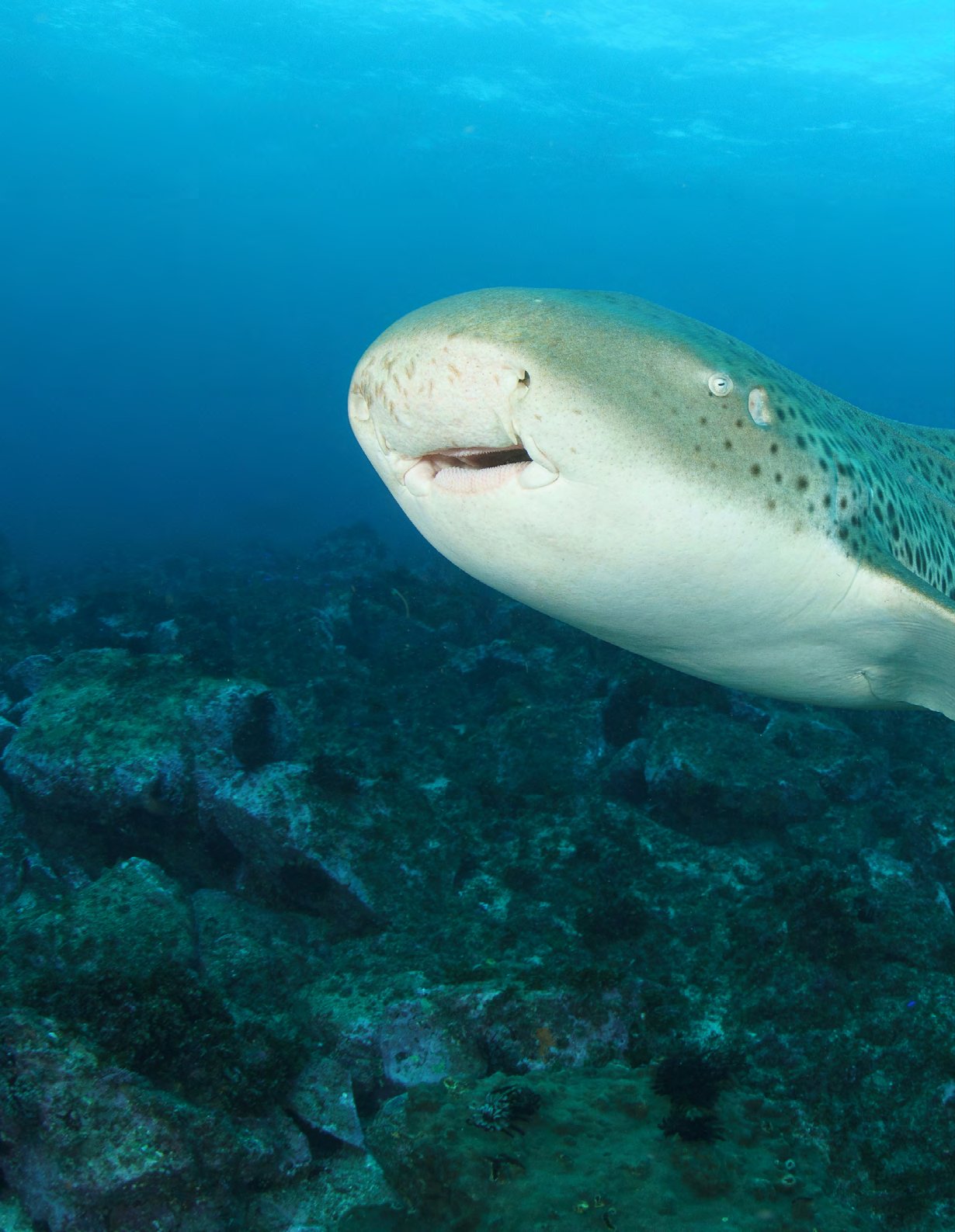
Leopard Sharks of Byron Bay
Dr. David Robinson on the Cape Byron Leopard Shark Project, the extraordinary aggregation of leopard sharks at Julian Rocks, and what photo-identification is revealing about their lives.
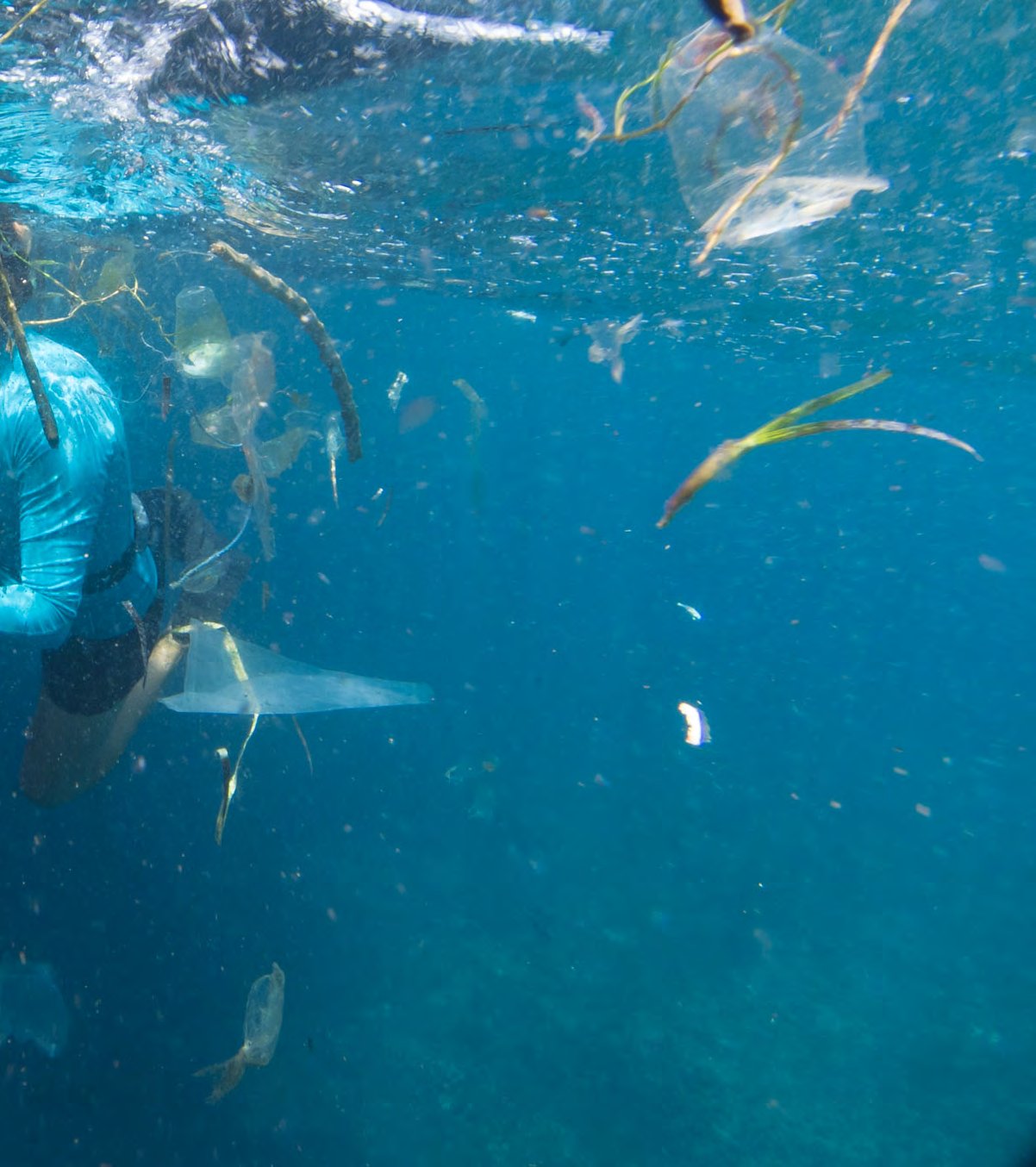
Mantas & Microplastics
Dr. Elitza Germanov and Janis Argeswara on how ocean plastic reaches the manta rays of Nusa Penida, how much of it they swallow, and what it may be doing to their health and reproduction.
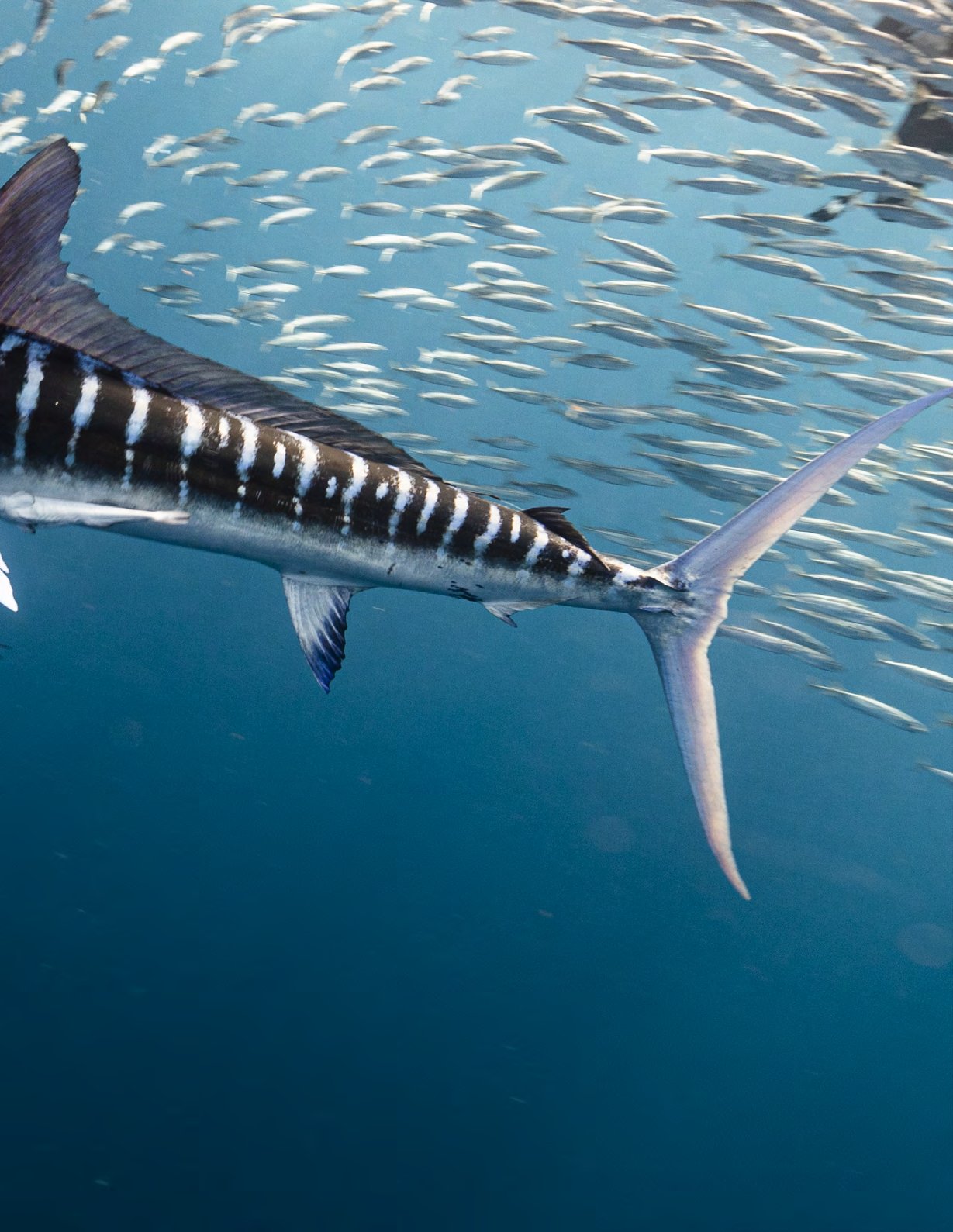
Tracking Marlin
Dr. Chris Rohner on the first satellite-tagging study of black and striped marlin in the Indian Ocean, what the tracks reveal about their movements and diving, and why the open ocean is hard to protect.
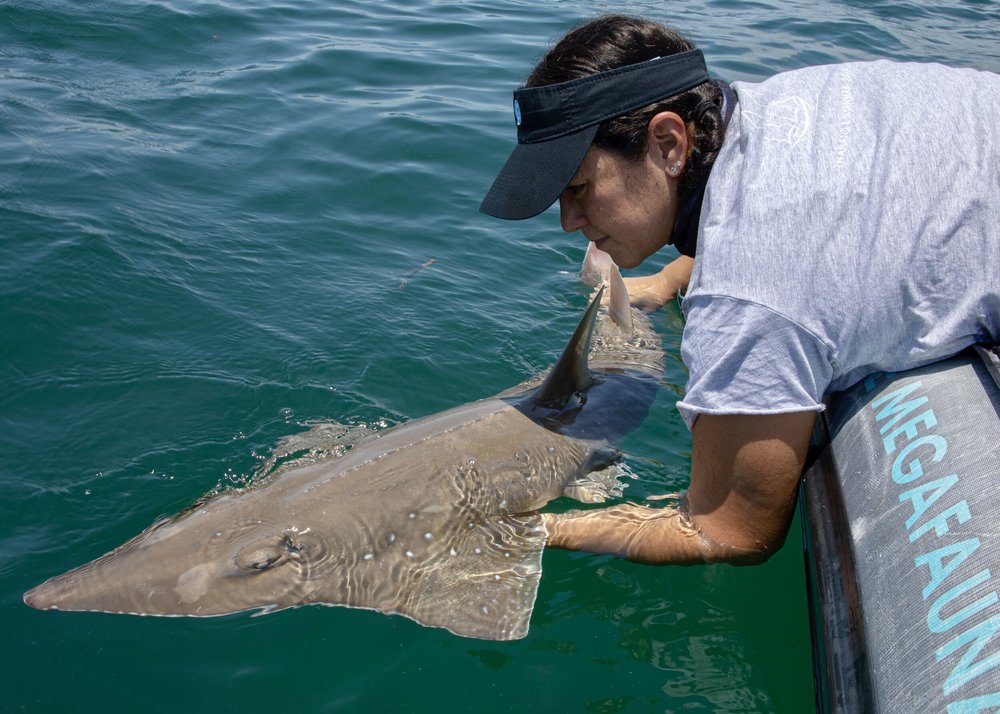
Researchers Launch First-of-its-Kind Wedgefish Study
MMF scientists have kickstarted an intensive tagging study designed to better understand movements and habitat use and guide protection of these rare and threatened species
First Study of Zebra Sharks in Africa Reveals New Hotspot in Need of Protection
Scientists use a combination of local knowledge, underwater photography, and research dives to track an endangered shark.
Manta Communication
Andrea Marshall and Robert Perryman on a study of nearly 10,000 behavioral events in Raja Ampat, and what manta rays may be signalling with their cephalic lobes.
Manta Connections
Stephanie Venables on the first population-level genomics study of reef manta rays, linking Mozambique and South Africa but not Africa and Western Australia.
Troubled Waters
Andrea Marshall and Simon Pierce on a Nature study documenting a 71% decline in oceanic sharks and rays since 1970, and what it will take to rebuild those populations.
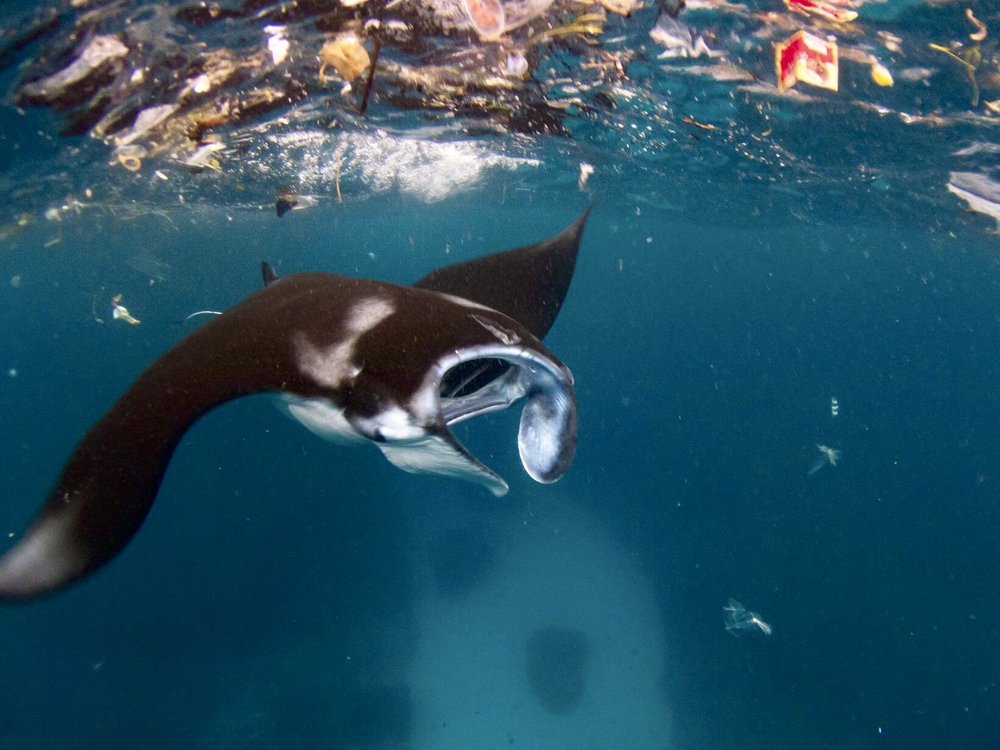
Microplastics and Manta Rays: What’s In the Water?
This new study continues our previous investigations into plastics in manta ray feeding grounds to find out what types of plastics these animals are accidentally ingesting.
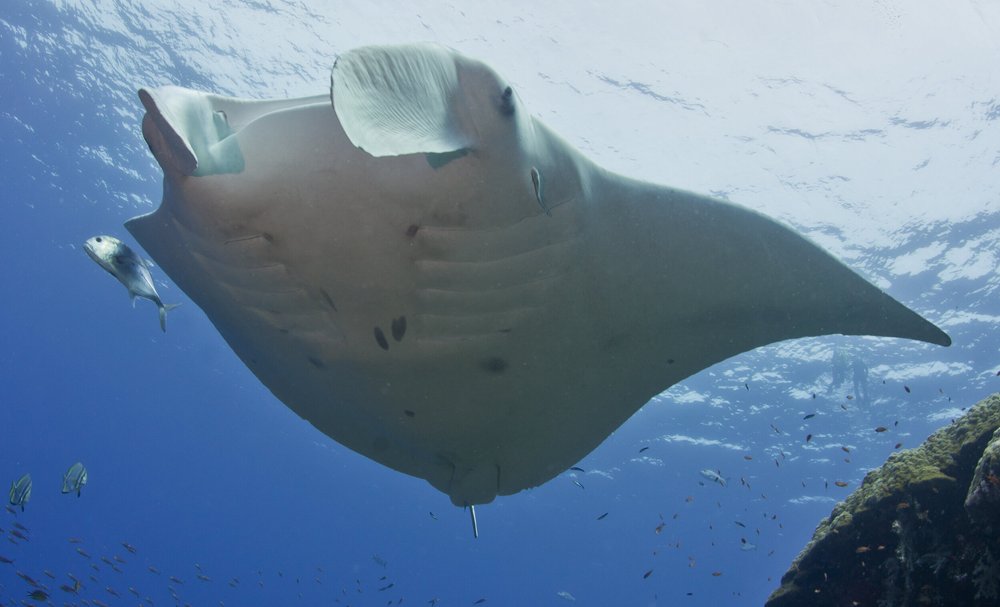
Why do manta rays move their cephalic lobes?
Results suggest that cephalic lobe movements may be important in social communication or sensing of the local environment, as well as being used in feeding.
The MMF 2020 Annual Report
MMF's 2020 Annual Report covers national protections for manta rays and whale sharks in Mozambique, global Red List updates, and research progress made during the pandemic.
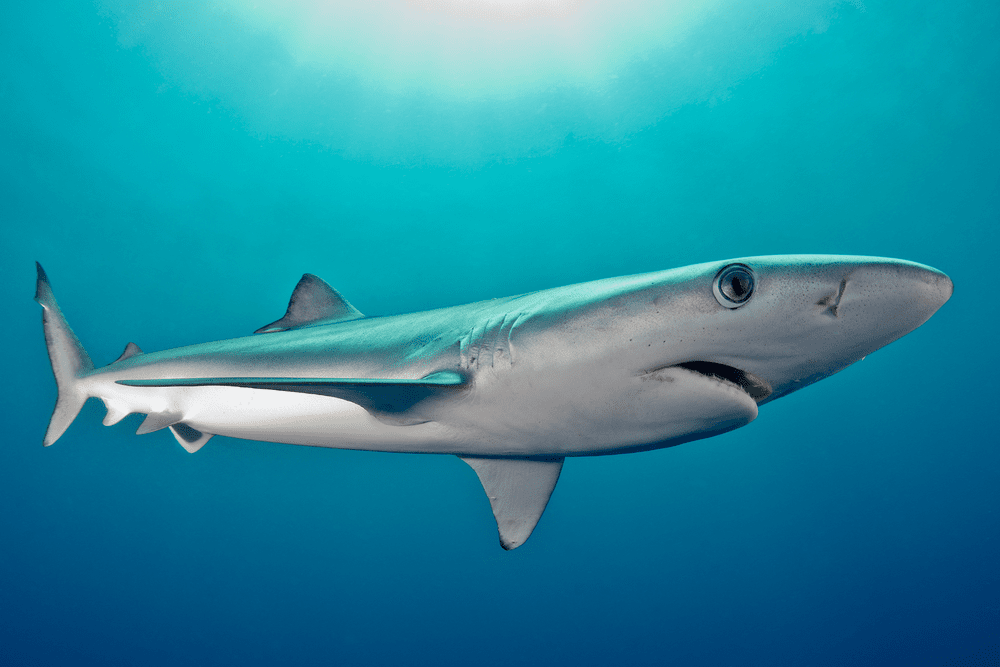
End of the Line: Oceanic sharks and rays in 50-year decline
A devastating new study documents an alarming decline of oceanic shark and ray populations – 71% over the past 50 years – primarily due to overfishing. The study confirms fears that high levels of decline in pelagic sharks and rays are happening on a worldwide scale.
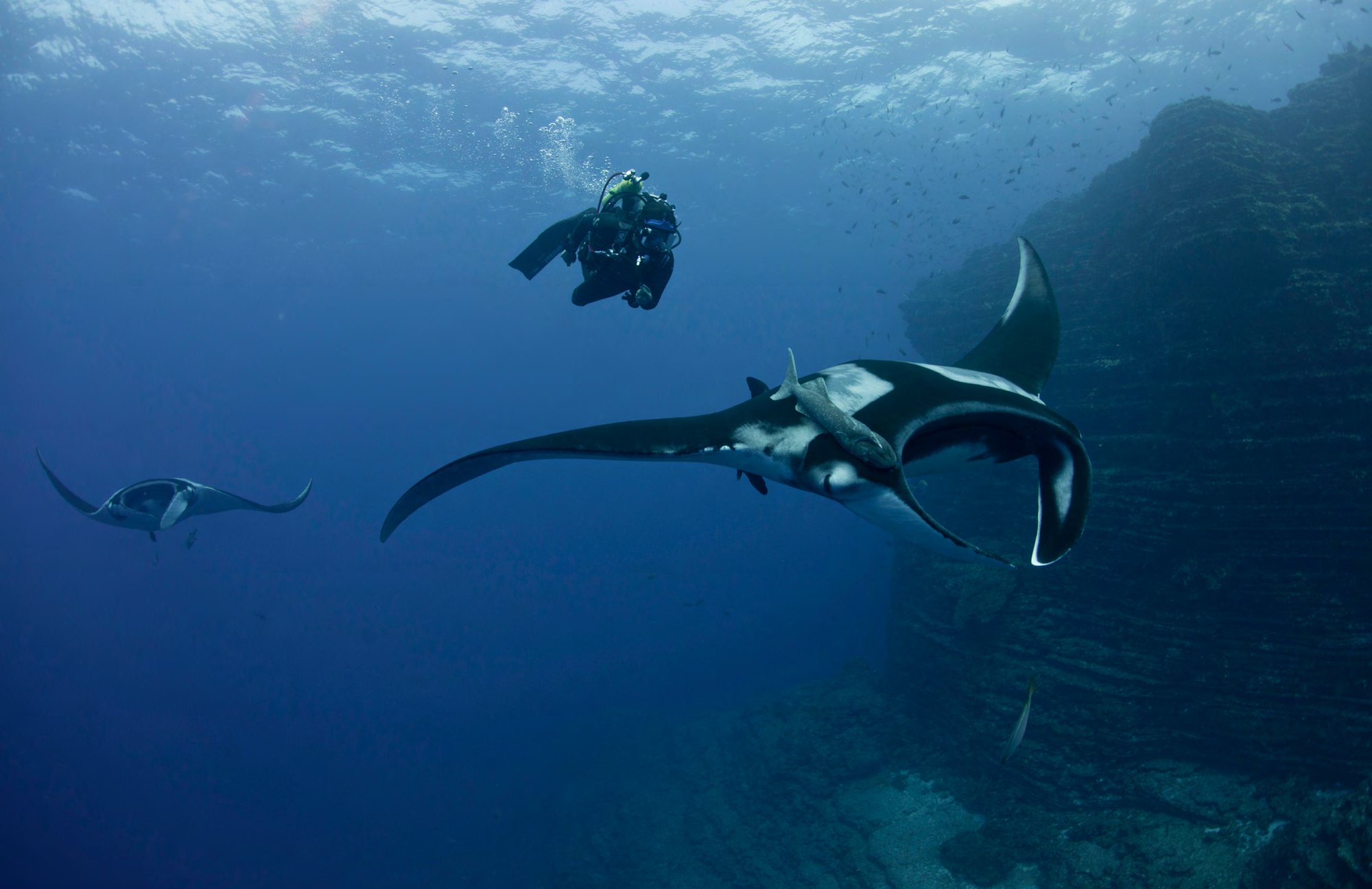
Endangered Giants
The giant manta ray has been uplisted to Endangered on the IUCN Red List, in an assessment led by MMF co-founder Dr. Andrea Marshall.
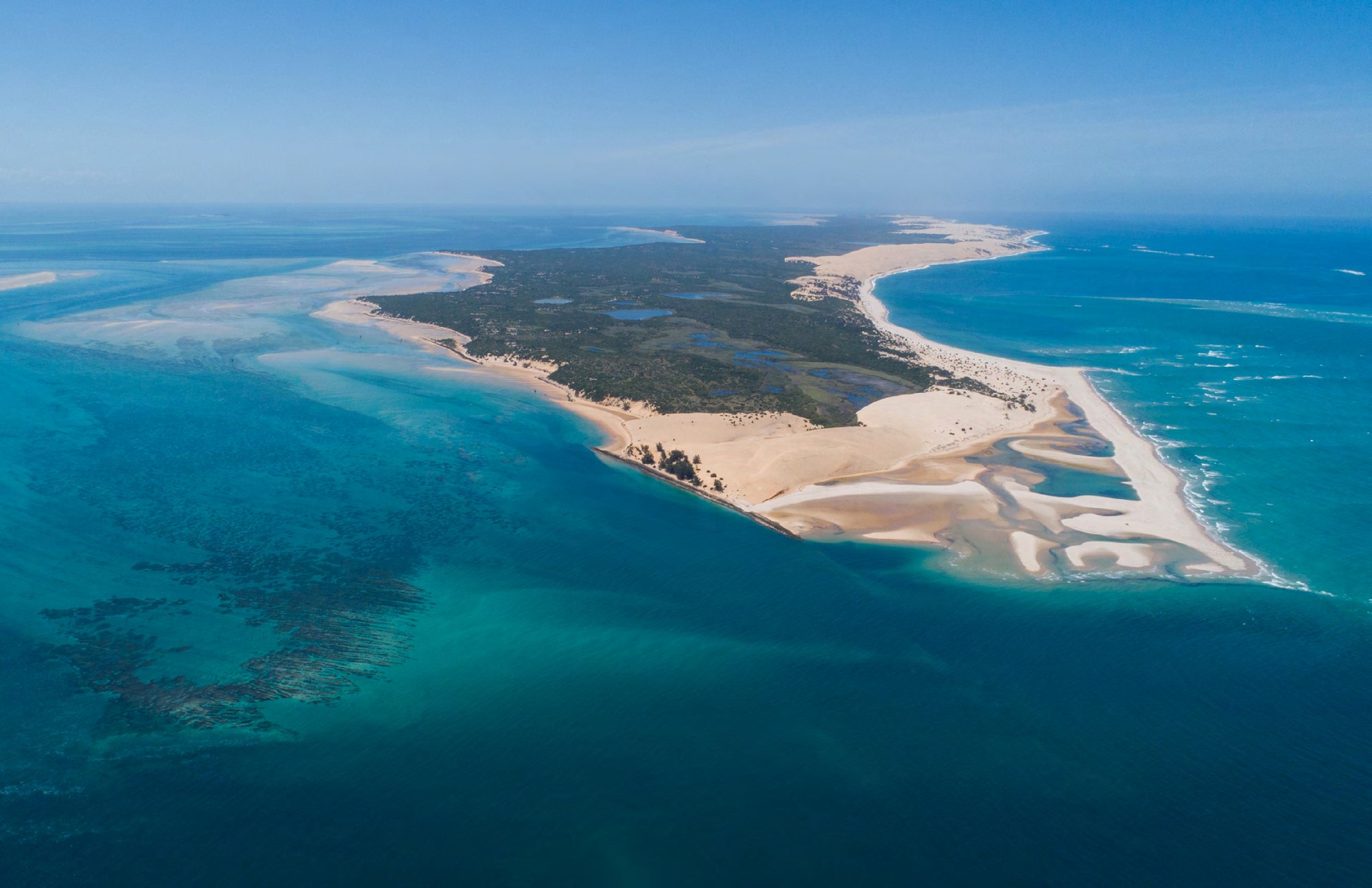
Protecting Mozambique
New Mozambican fishing legislation protects whale sharks, manta rays, and all mobula rays, following two decades of MMF research and lobbying.
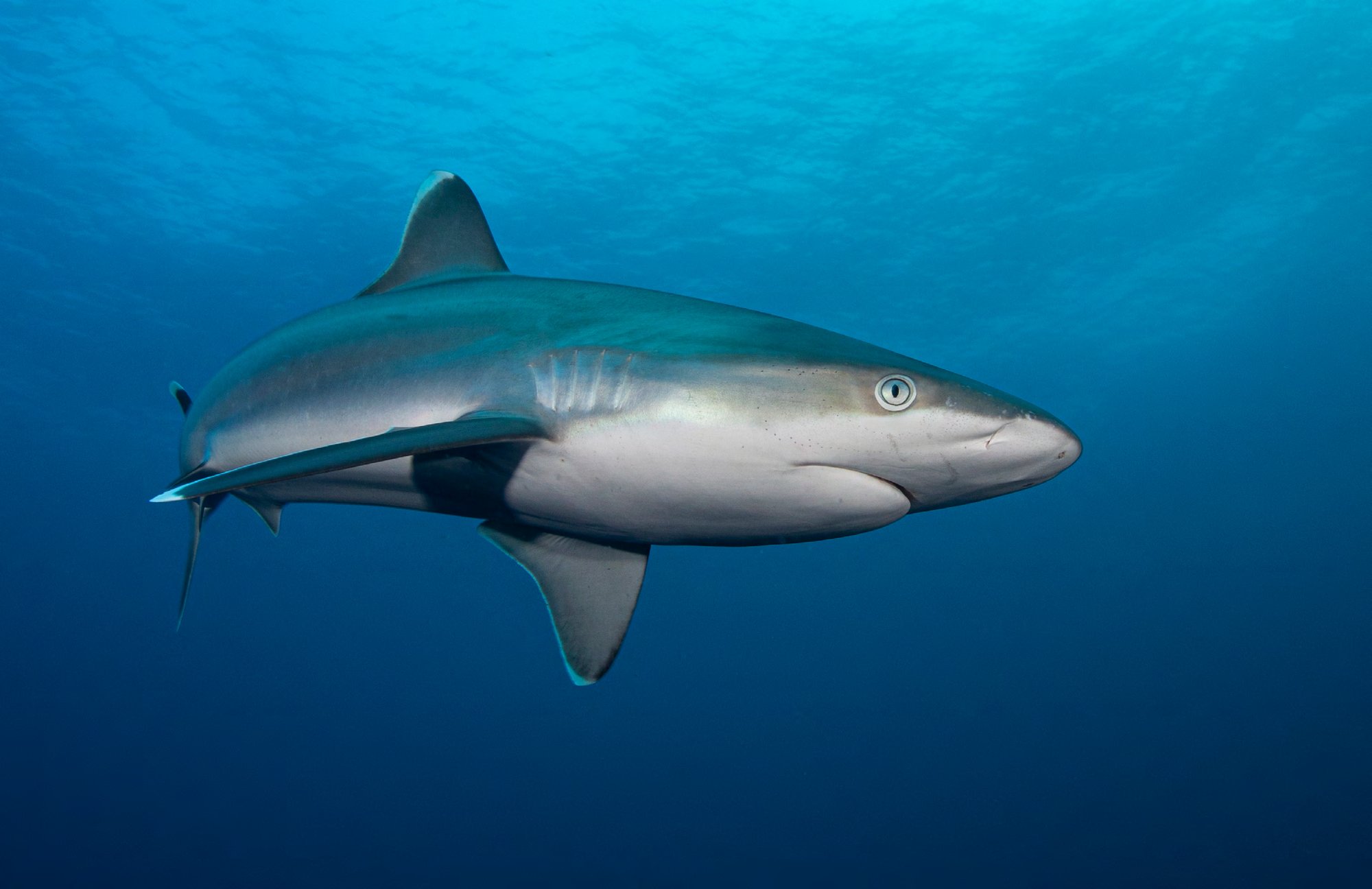
Sharks of Mozambique
MMF's contribution to Global FinPrint, the first worldwide survey of reef sharks, which found sharks absent from nearly a fifth of the coral reefs surveyed.
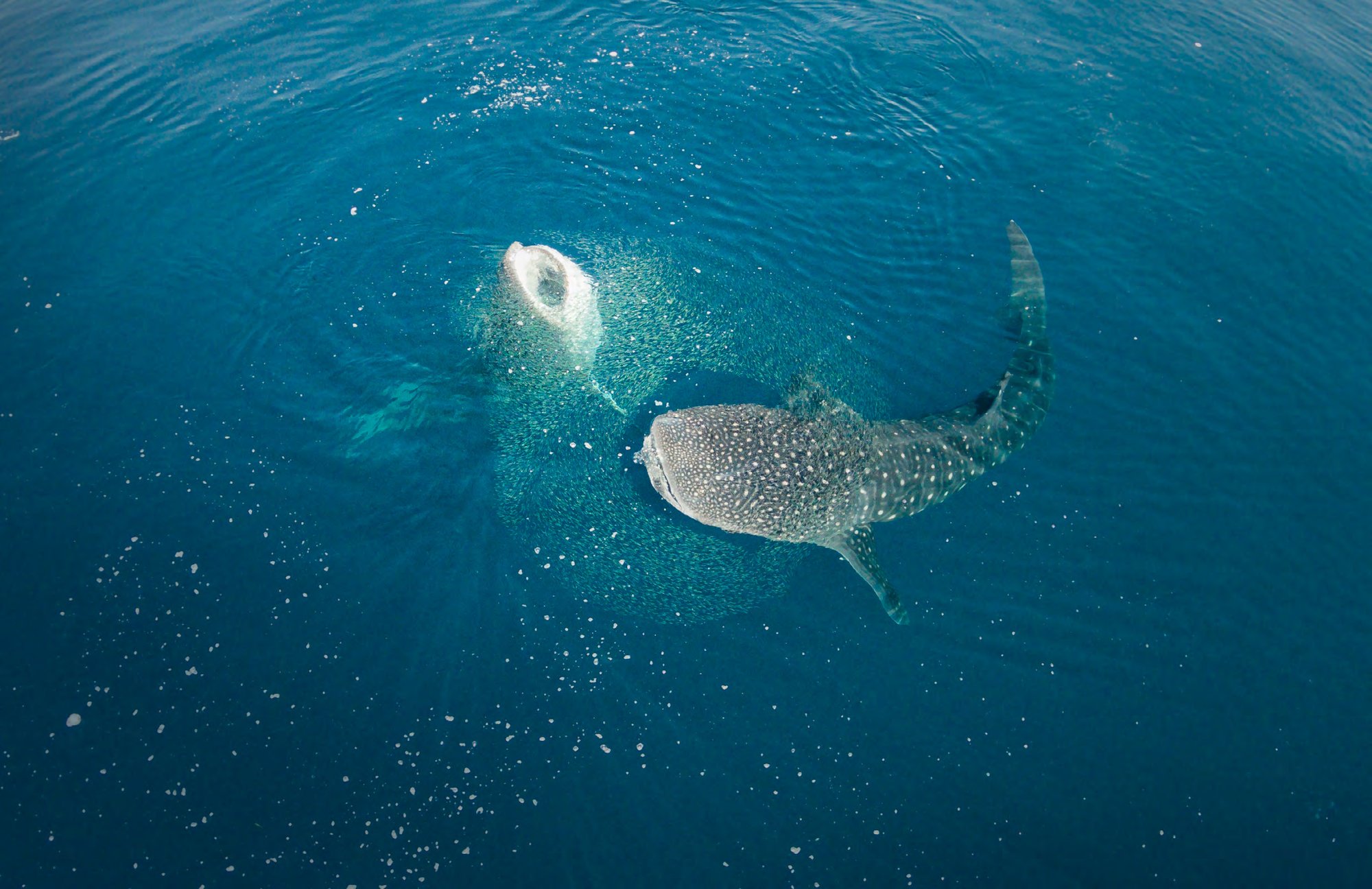
There's No Place Like Home
Acoustic tracking at Mafia Island shows Tanzania's whale sharks staying in a single bay for months or years, rather than making the long migrations expected of the species.
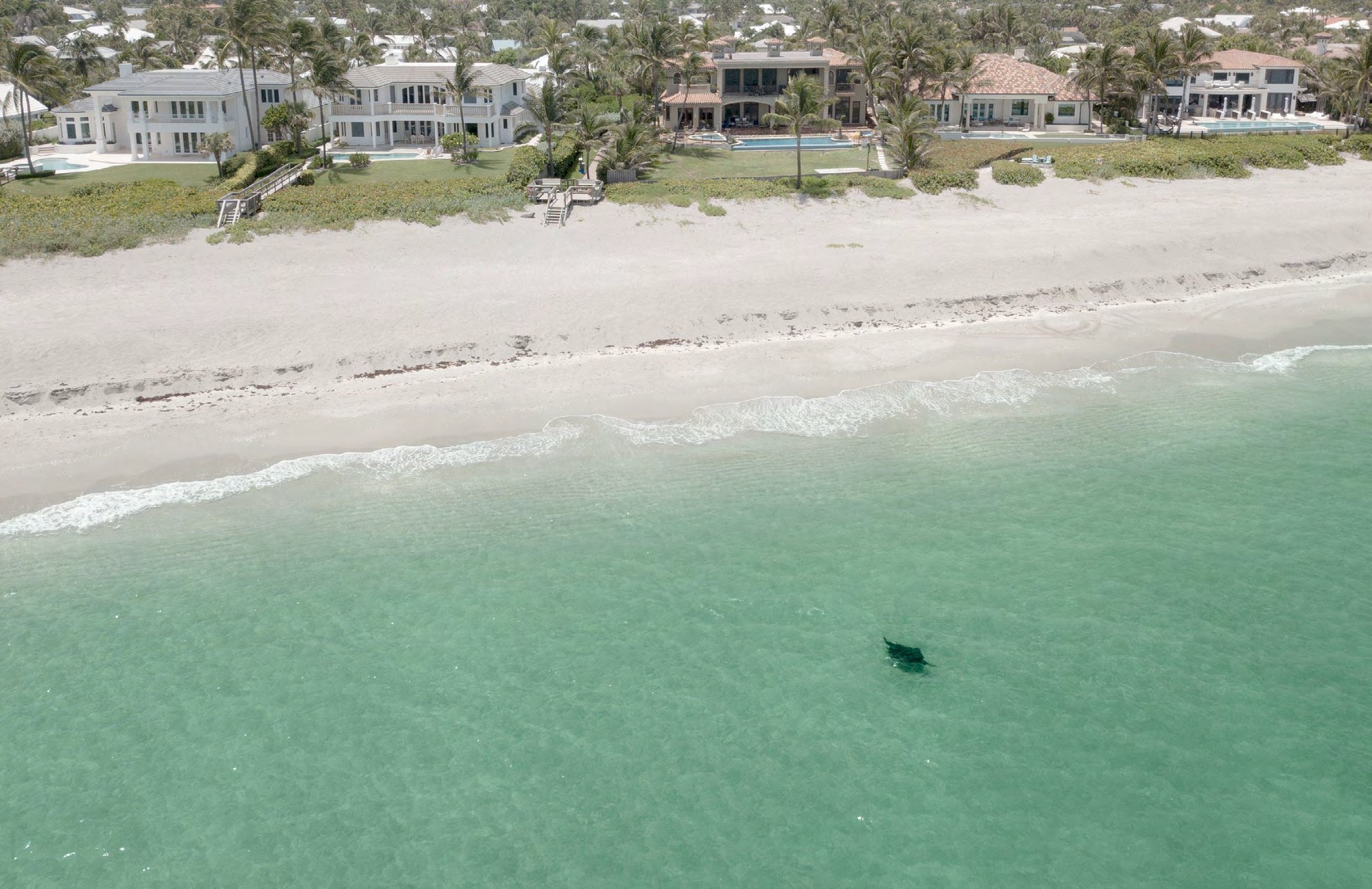
Urban Mantas
The first study of manta rays off Florida found a juvenile nursery ground on a heavily developed urban coastline, where entanglement and boat strikes are common.
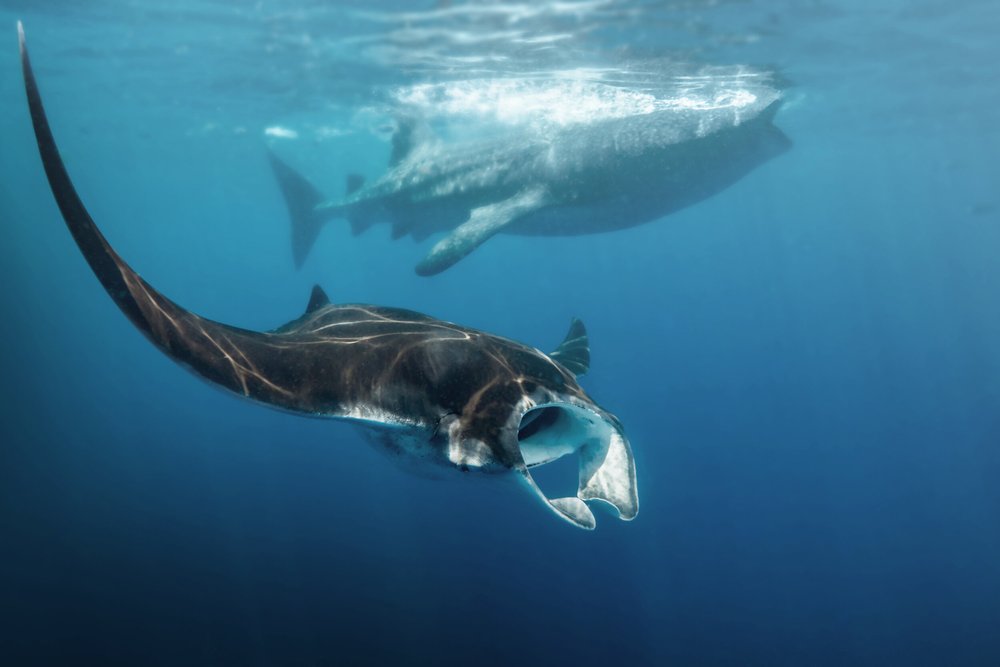
Manta rays and whale sharks now protected in Mozambique
After 20 years of research and lobbying efforts, the Marine Megafauna Foundation (MMF) is thrilled to announce a major legislative victory for ocean life in Mozambique. A new commercial fishing law enacts sweeping protections for several threatened species, including whale sharks, manta rays, and all mobula species.
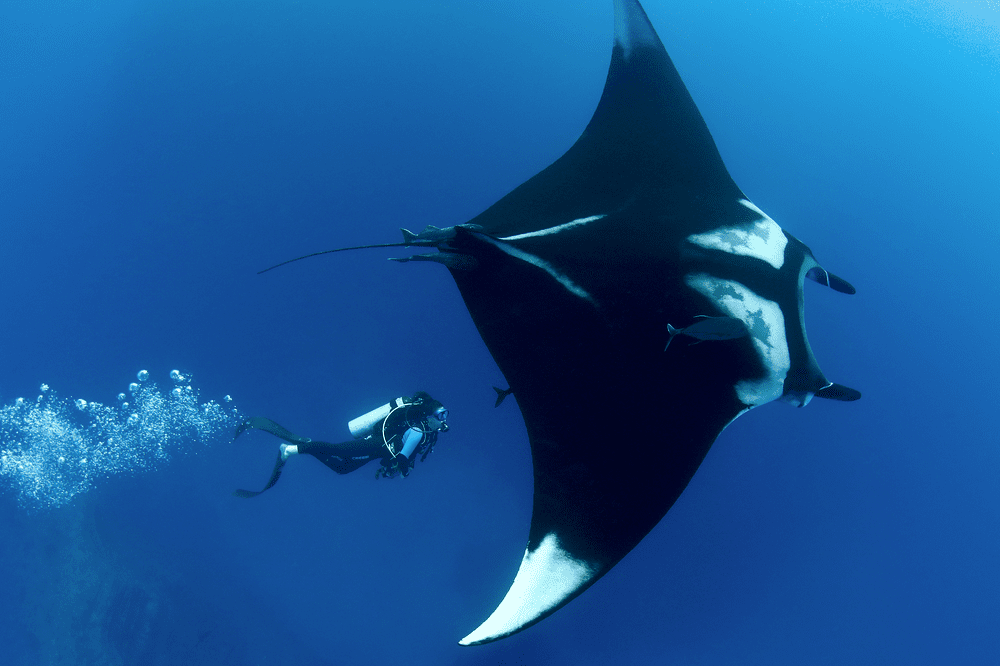
Giant manta becomes the first manta ray to be listed as an endangered species
The conservation status of the giant (or oceanic) manta ray (Mobula birostris) has been uplisted today to Endangered on the International Union for the Conservation of Nature (IUCN) Red List of Threatened Species.
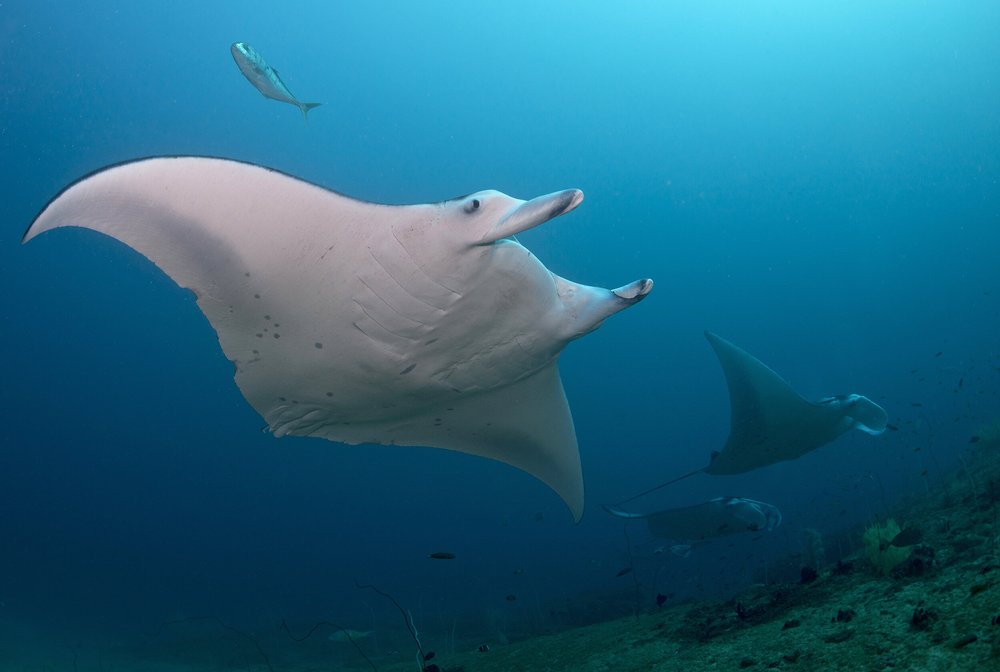
New DNA research reveals connectivity of manta rays in southeastern Africa
The first population genetics study of reef manta rays shows that the mantas along southeast Africa's coast, from the Bazaruto Archipelago to South Africa, form a single intermixing population, genetically distinct from those in Western Australia.
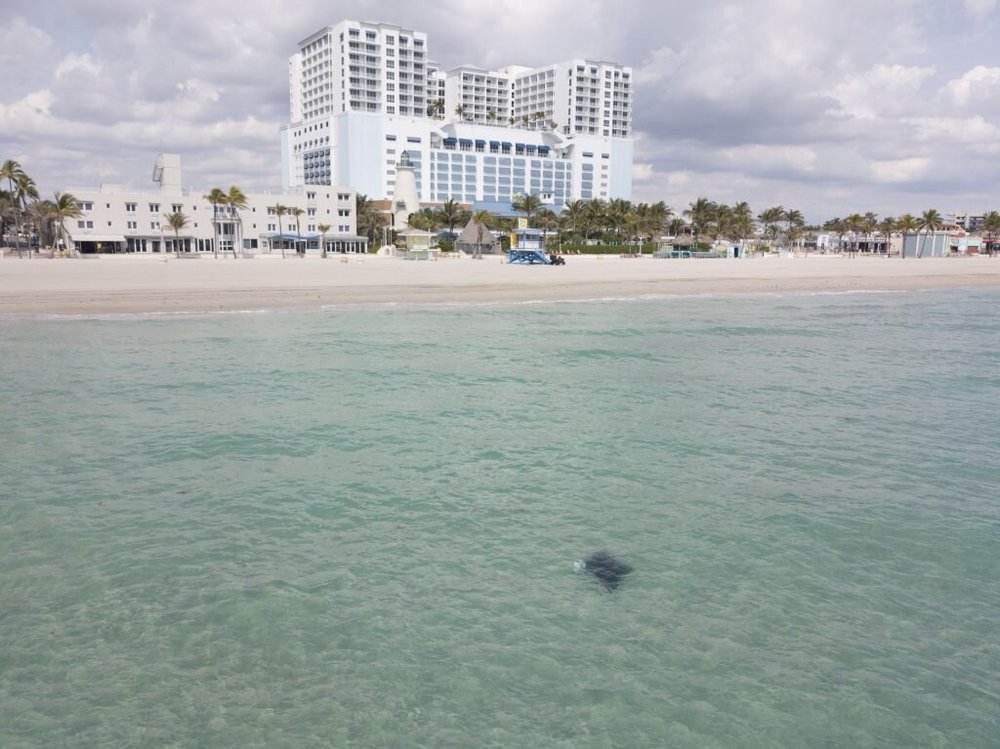
Urban Mantas: A potential nursery ground for manta rays may be under threat off southeastern Florida
The first study on manta rays off the coast of Florida, published today by Endangered Species Research, has discovered a potential urban nursery ground for manta rays. Juvenile manta rays were regularly sighted in the shallow waters along Florida’s coastline, the first time a nursery habitat has been discovered in such a highly developed urban […]
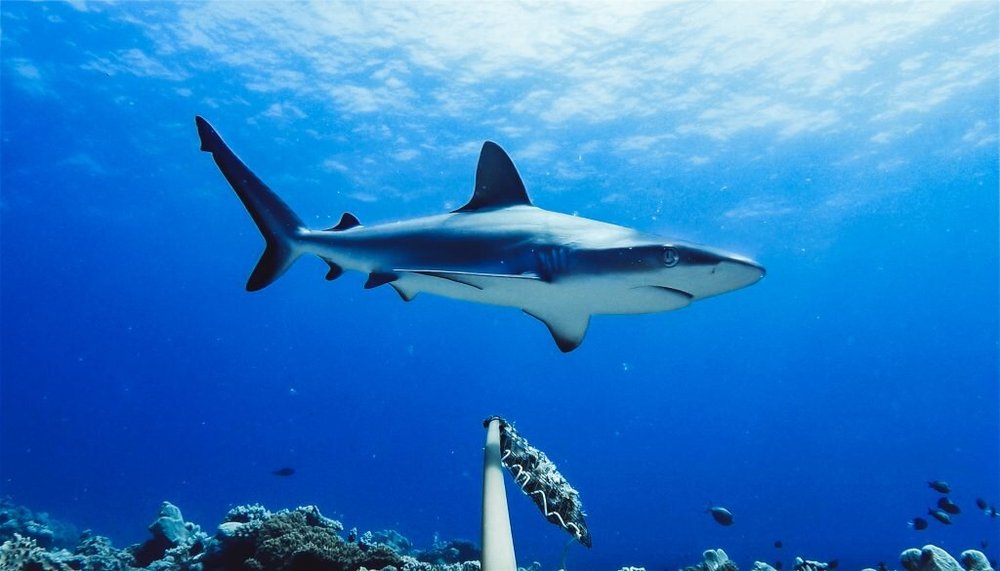
First-of-its-kind global survey reveals sharks could be better protected in Mozambique
A new landmark study published today in Nature by Global FinPrint reveals sharks are virtually absent on many of the world’s coral reefs, indicating they are too rare to fulfill their normal role in the ecosystem, otherwise referred to as “functionally extinct.” Of the 371 reefs surveyed in 58 countries, sharks were not observed on […]
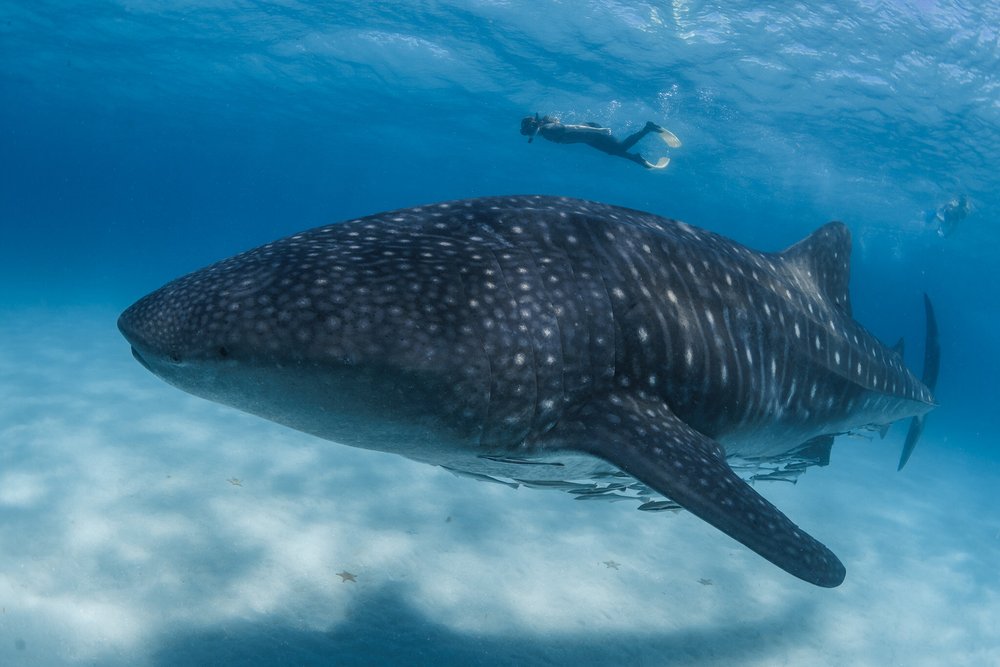
There’s no place like home for whale sharks in Tanzania
Global lockdowns pose few problems for whale sharks off Tanzania. New research shows that these gigantic fish prefer to stay in the bay they call home. Scientists regard whale sharks as a “highly migratory” species, capable of swimming tens of thousands of kilometers each year. However, a study published today in the journal Frontiers in […]
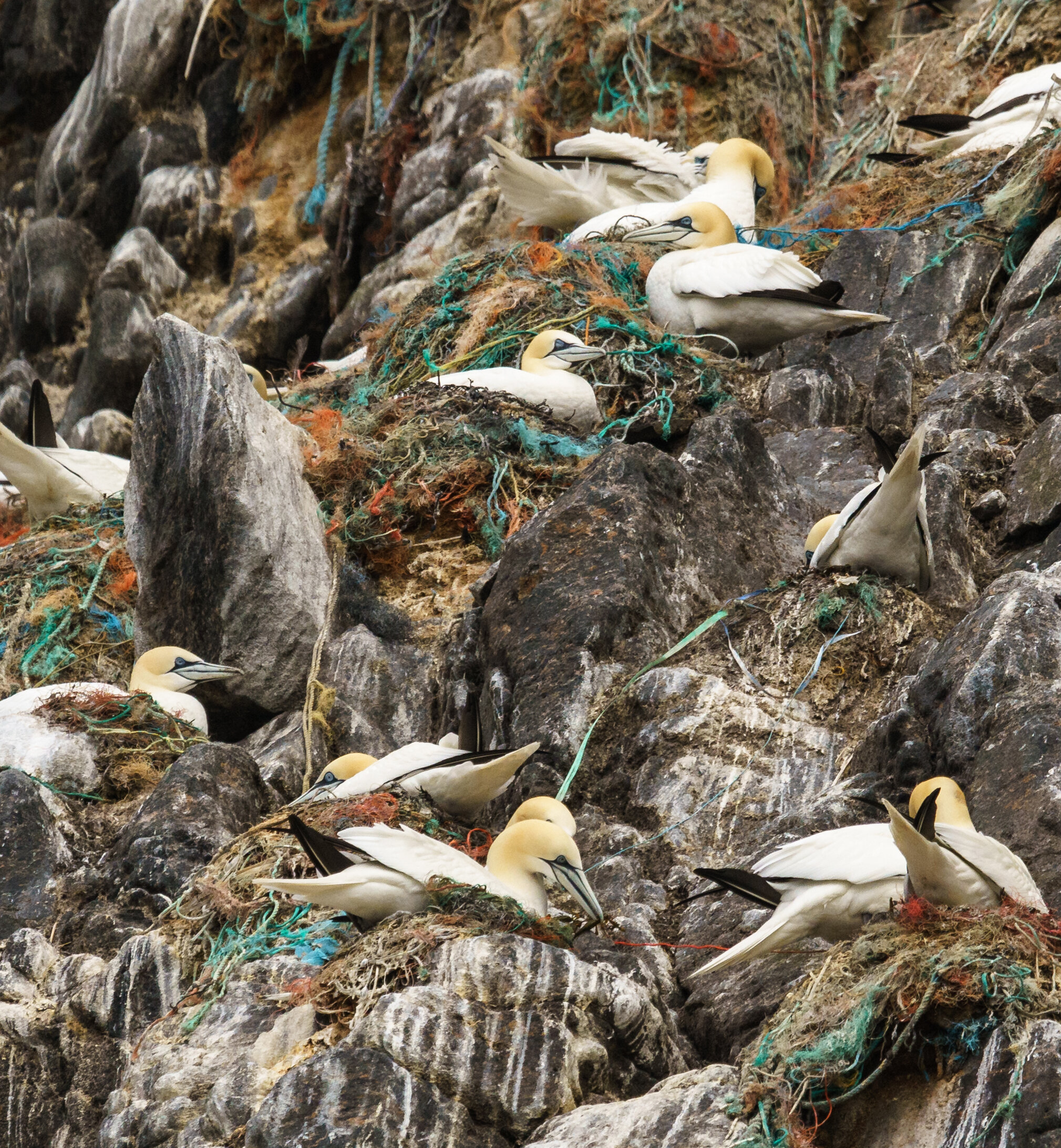
Photo of seabirds nesting among plastics – commended in photography competition
A photo of gannets using discarded nets and ropes to build their nests highlights the increasing problem of plastic pollution for marine life. The image was highly commended in the 2020 Underwater Photographer of the Year competition this week. Dr. Simon J Pierce, a principal scientist at the Marine Megafauna Foundation and wildlife photographer for […]
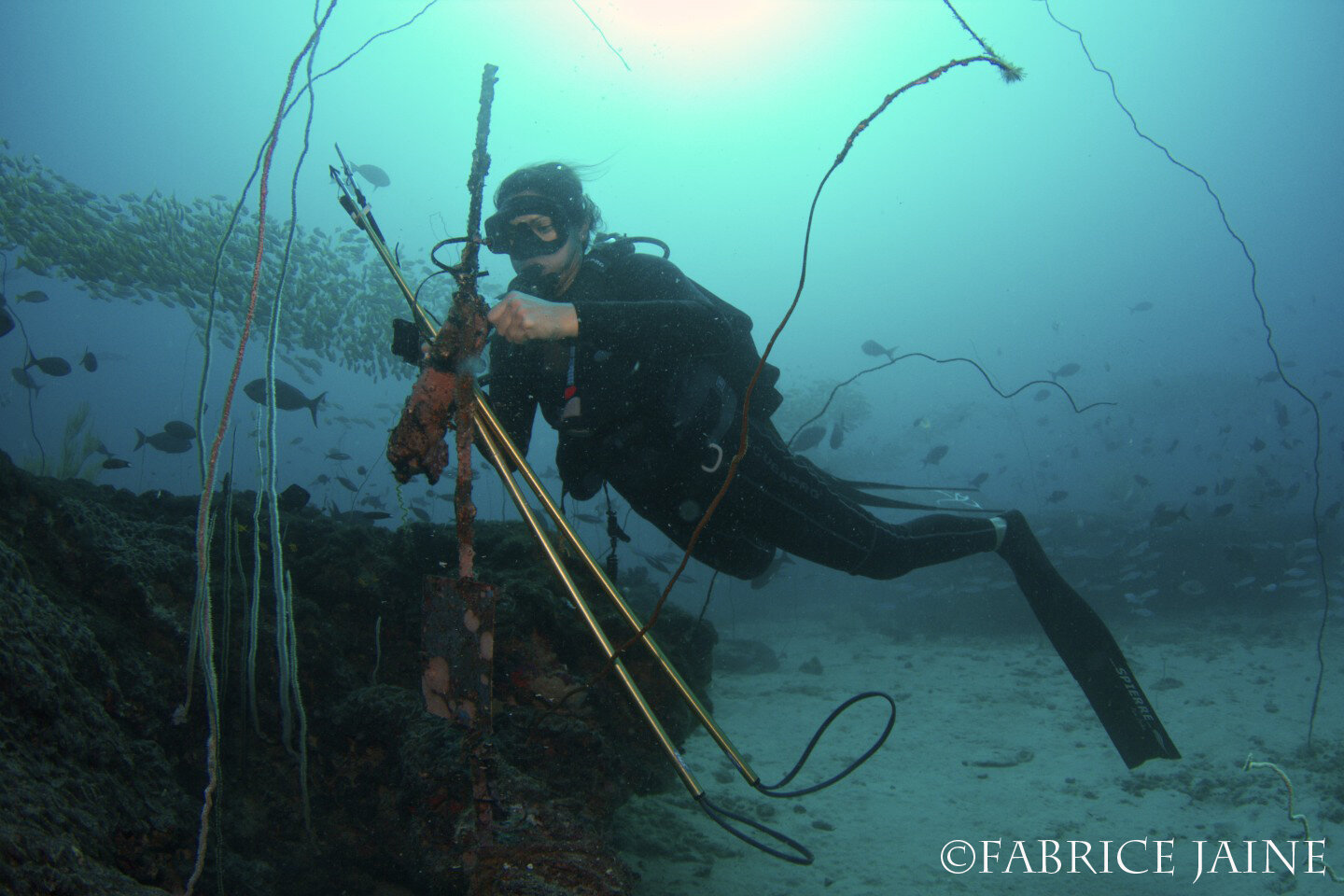
Underwater ‘listening stations’ track reef manta rays in Mozambique
In a new study, published in the journal Marine Ecology Progress Series, researchers from the Marine Megafauna Foundation, University of Western Australia, and Utrecht University used acoustic telemetry to identify critical habitat areas and understand movement patterns of reef manta rays in the waters off Mozambique’s Inhambane Province. […]
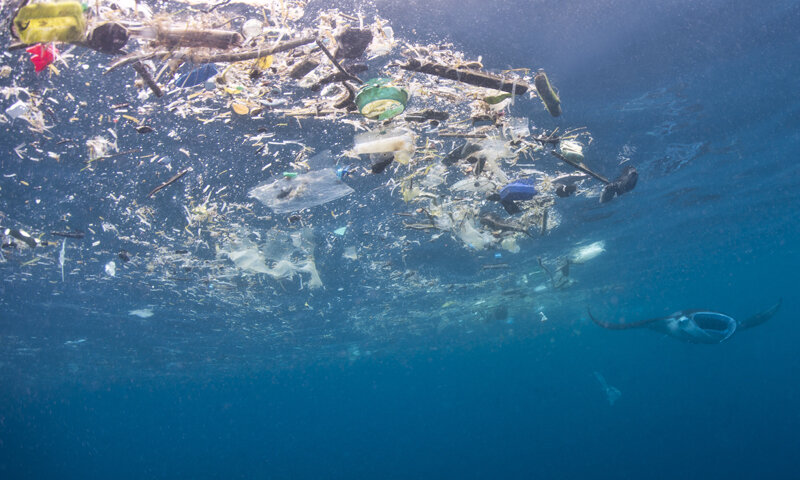
Microplastics on the menu for manta rays and whale sharks
Plastic pollution has a tremendous impact on marine life – and reef manta rays and whale sharks are not spared from it. These large filter-feeders swallow hundreds to thousands of cubic meters of plankton-filled water every day, and with it, tiny plastic pieces from broken down carrier bags and single-use packaging, a new study has found.
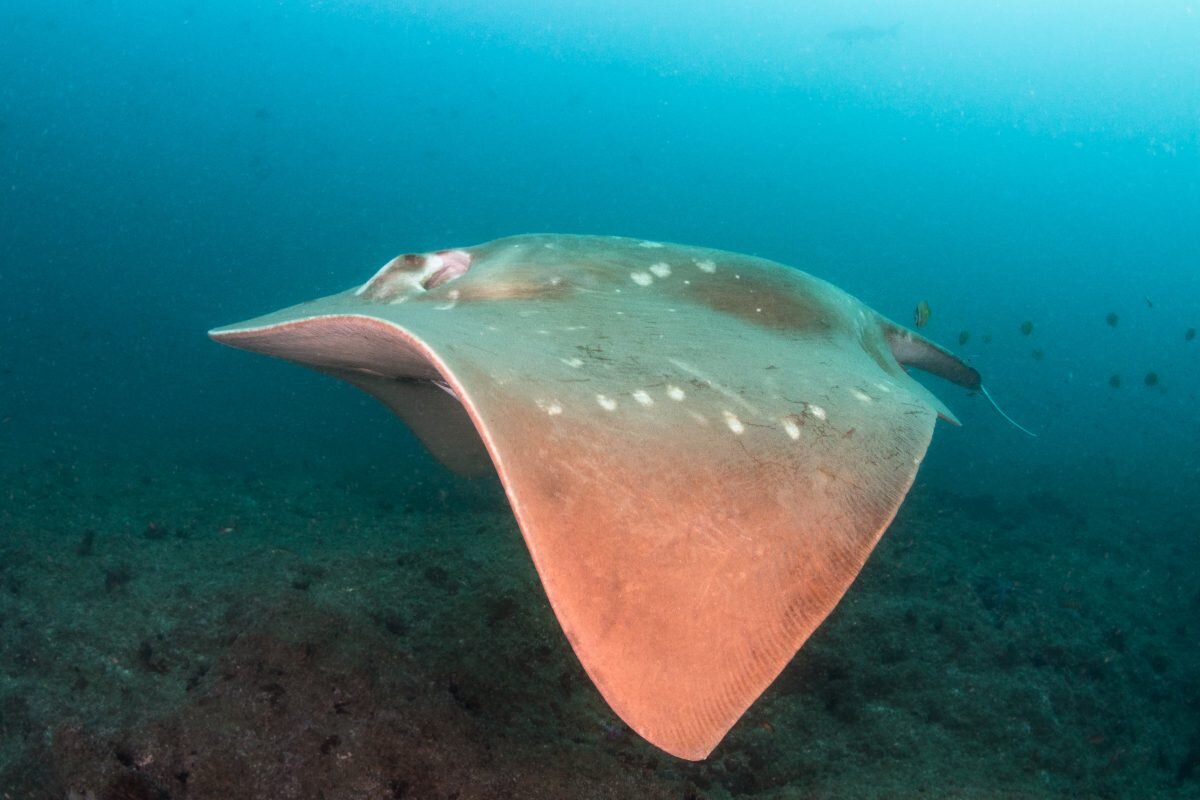
MMF’s MEGA Expeditions start with a splash!
MMF’s first MEGA Expeditions took place in Mozambique in June and August 2019. Read on to find out more about this once in a lifetime experience, and why the August expedition group were called “team smalleye” by the end…
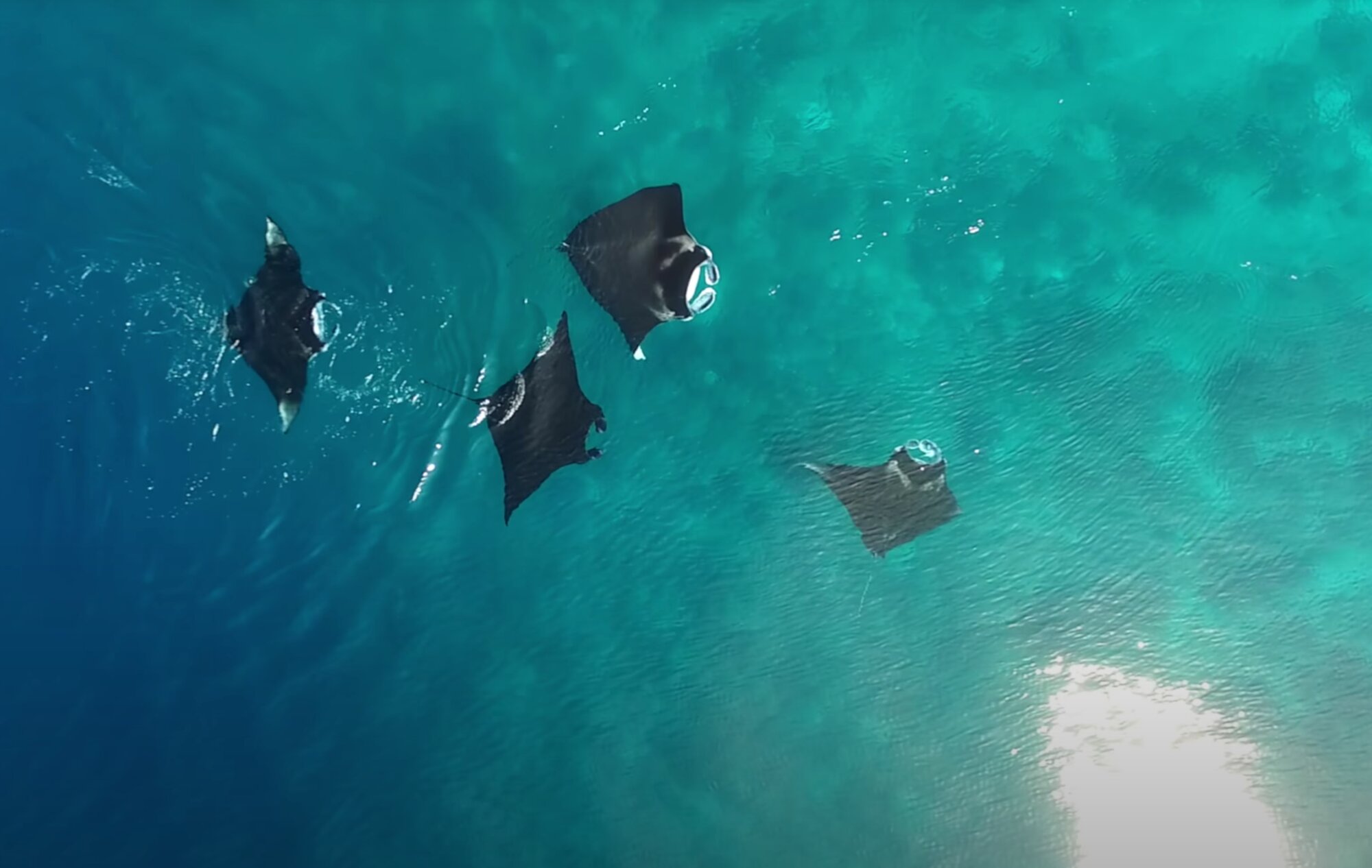
Manta rays form social bonds with each other, study shows.
Manta rays form social relationships and actively choose their social partners, a new study has revealed. Research published today by scientists from the Marine Megafauna Foundation, Macquarie University, the University of Papua, and the University of York is the first to describe the structure of social relationships in manta rays.
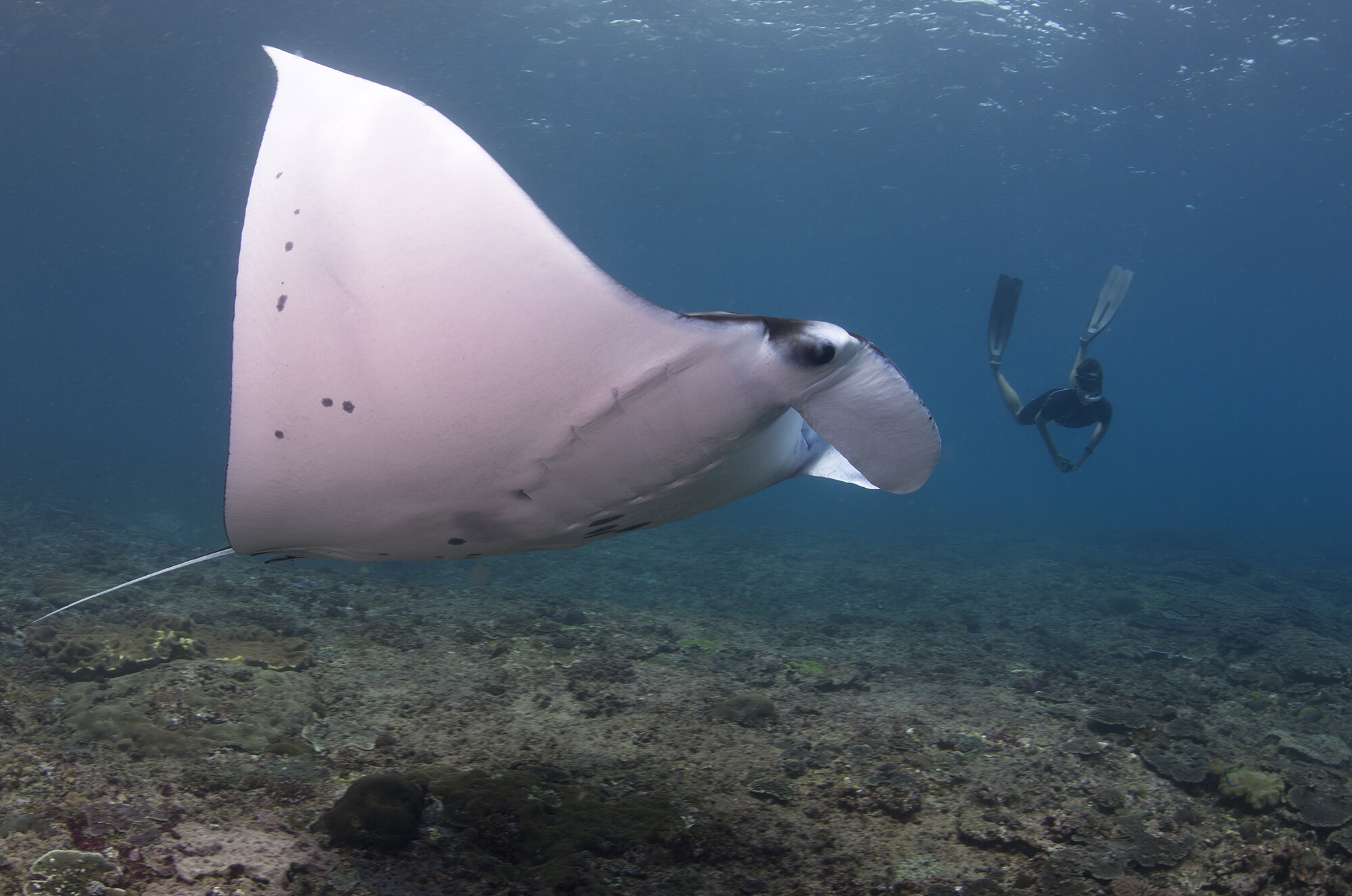
Nusa Penida manta ray nursery: Tourists and fishers key to survival
Scientists from the Marine Megafauna Foundation and Murdoch University are reporting a large number of juvenile manta rays in the waters of Nusa Penida, a small island 18km southeast of Bali, suggesting the area may be a nursery for this threatened species.
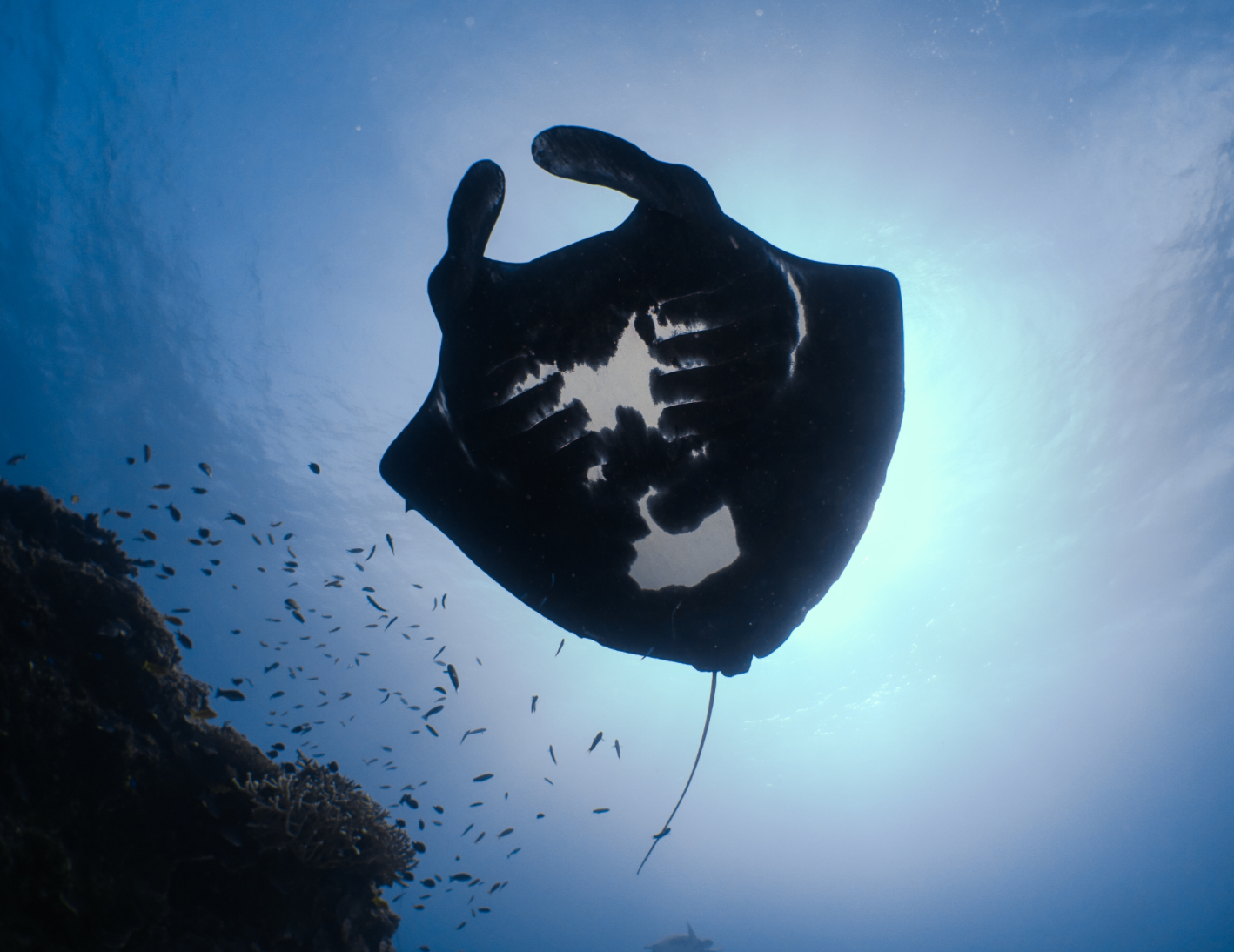
Scientists explore the occurrence of black manta rays in the Indo-Pacific.
Have you ever seen a black manta ray and wondered what makes it that color? Or whether the darker coloration has any effect on the way the animal lives and behaves. In a new study – the first to investigate melanism in a marine species – scientists set out to learn more about this fascinating color variation.
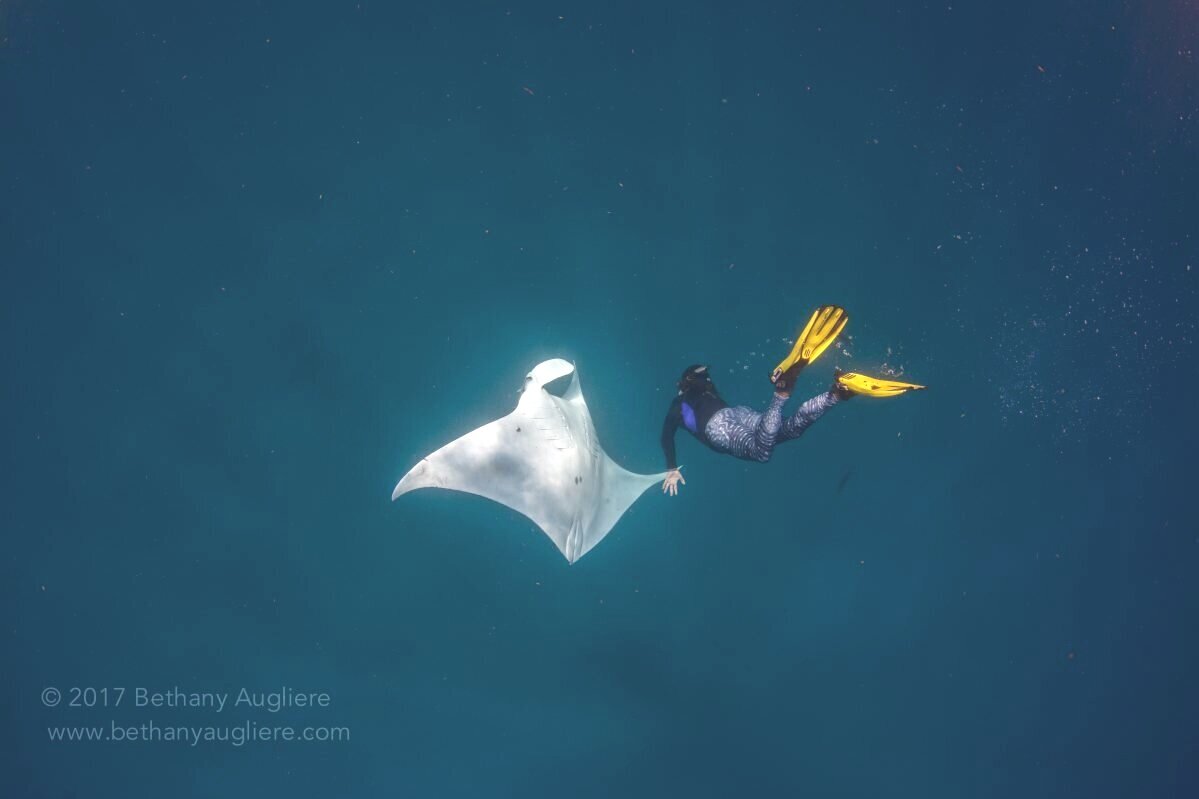
Possible giant manta ray nursery discovered off coast of Florida
MMF has discovered that the shallow, coastal waters of south Florida may be a nursery ground for giant manta rays.
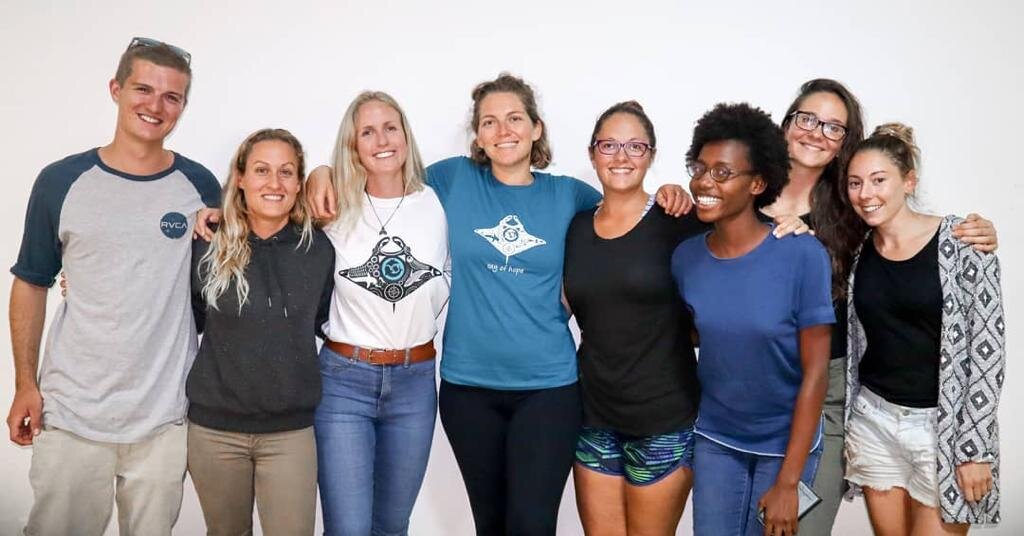
MMF fellowship program: “mantas right before my eyes!”
In 2018, Nilza de Catarina joined MMF as part of our Fellowship Program. In the space of one year she learnt how to swim AND dive! As well as assisting with research into manta rays and whale sharks in the Tofo region. Read on to hear about her experience…
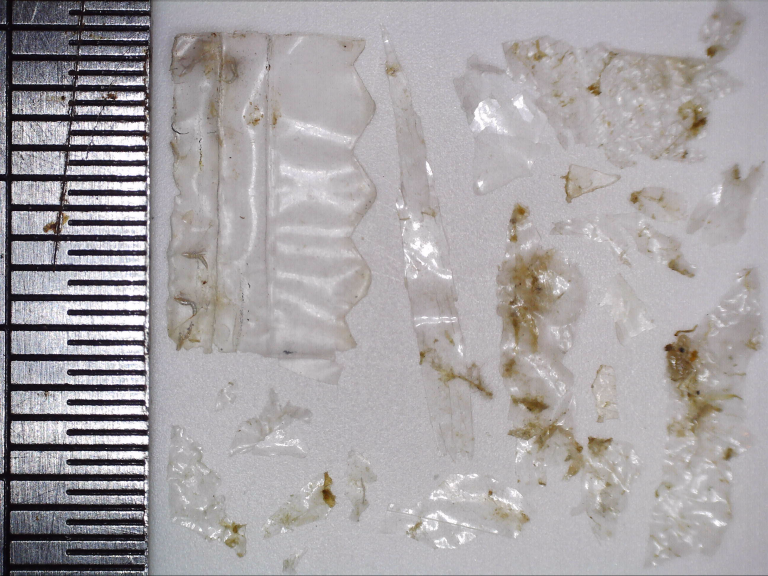
Not Just Another Fish in the Sea: Protecting Mantas through Plastic Research
Janis and April joined MMF from Udayana University to support our research project on the microplastics found in and around the manta ray’s feeding ground in Nusa Penida. Read on to hear about their findings…
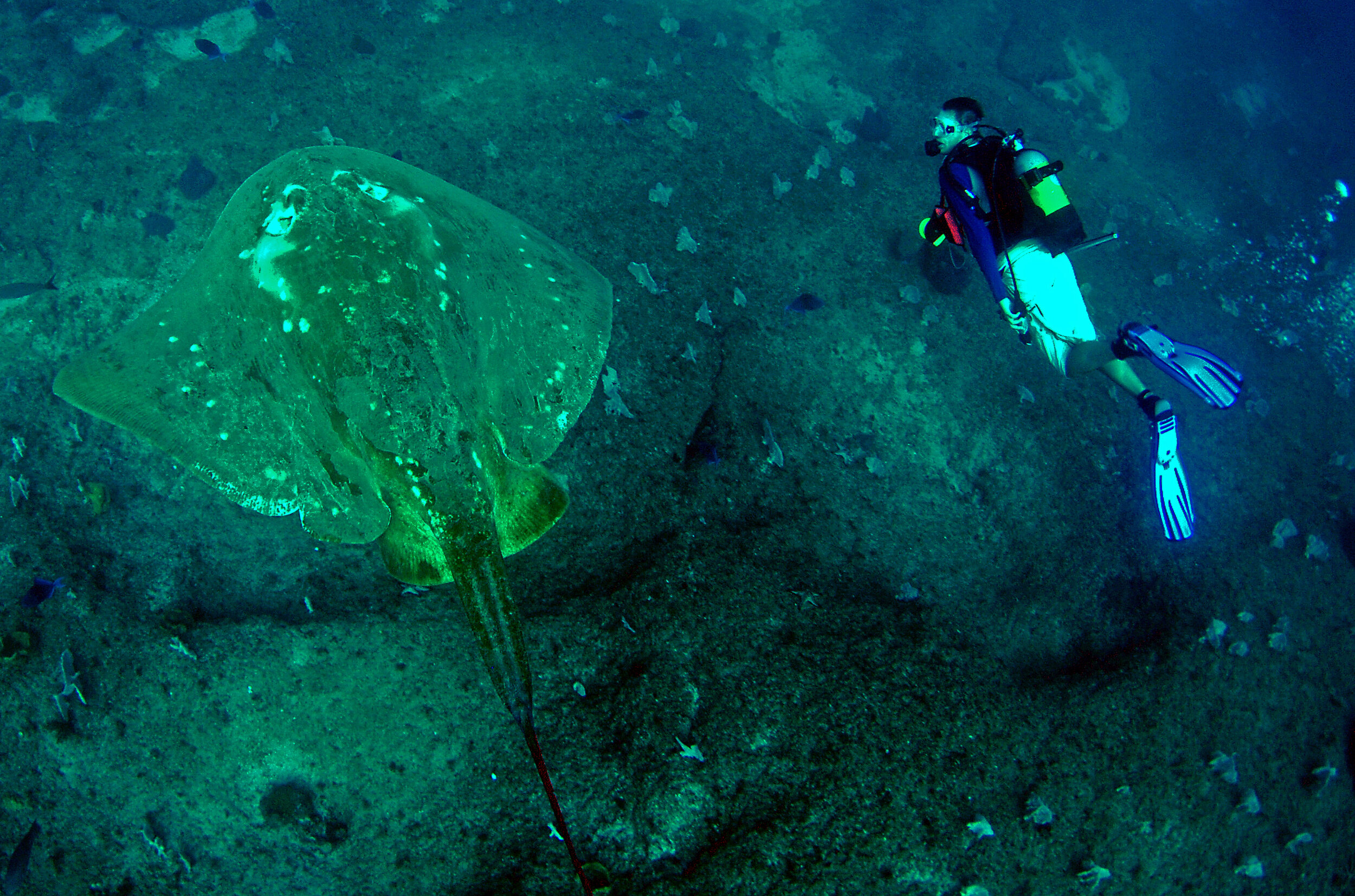
First field study of world’s largest marine stingray reveals long-distance migration.
Smalleye stingrays are the largest marine stingrays on record, reaching disc widths of up to 222 cm, and yet almost nothing is known about them. Scientists from the Marine Megafauna Foundation have for the first time used photo IDs to study this elusive animal in southern Mozambique, one of the only locations where it is regularly seen in the wild. Their findings were published in the scientific journal PeerJ.
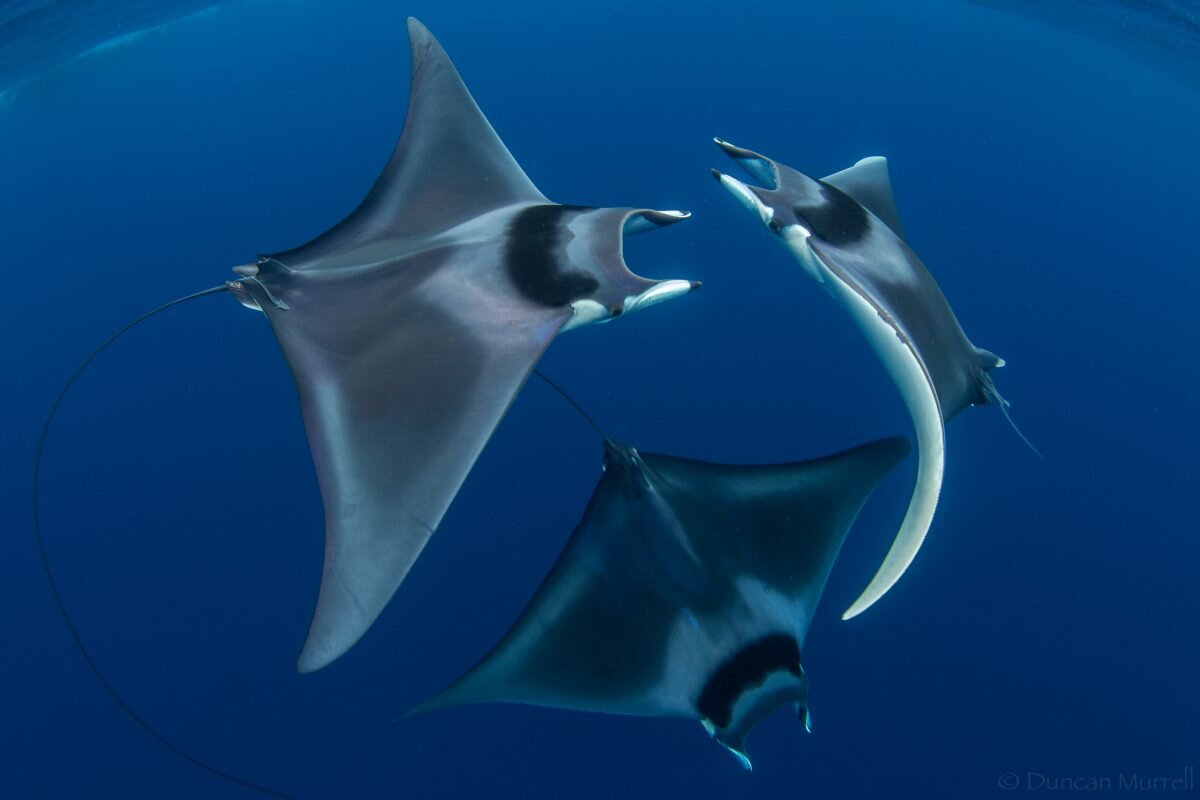
A deeper look at mobulid reproduction.
Bohol, Philippines, August 6, 2018, A new scientific publication “Life History, Growth, and Reproductive Biology of Four Mobulid Species in the Bohol Sea, Philippines” has been published in the Journal Frontiers in Marine Science. The study by Large Marine Vertebrates Research Institute Philippines (LAMAVE) was led by researcher Joshua Rambahiniarison and aimed to determine life history and reproductive parameters for several mobulids caught in the Philippines to provide vital information on the sustainability of the exploitation and consumptive use of these megafaunas, at the country level and worldwide.
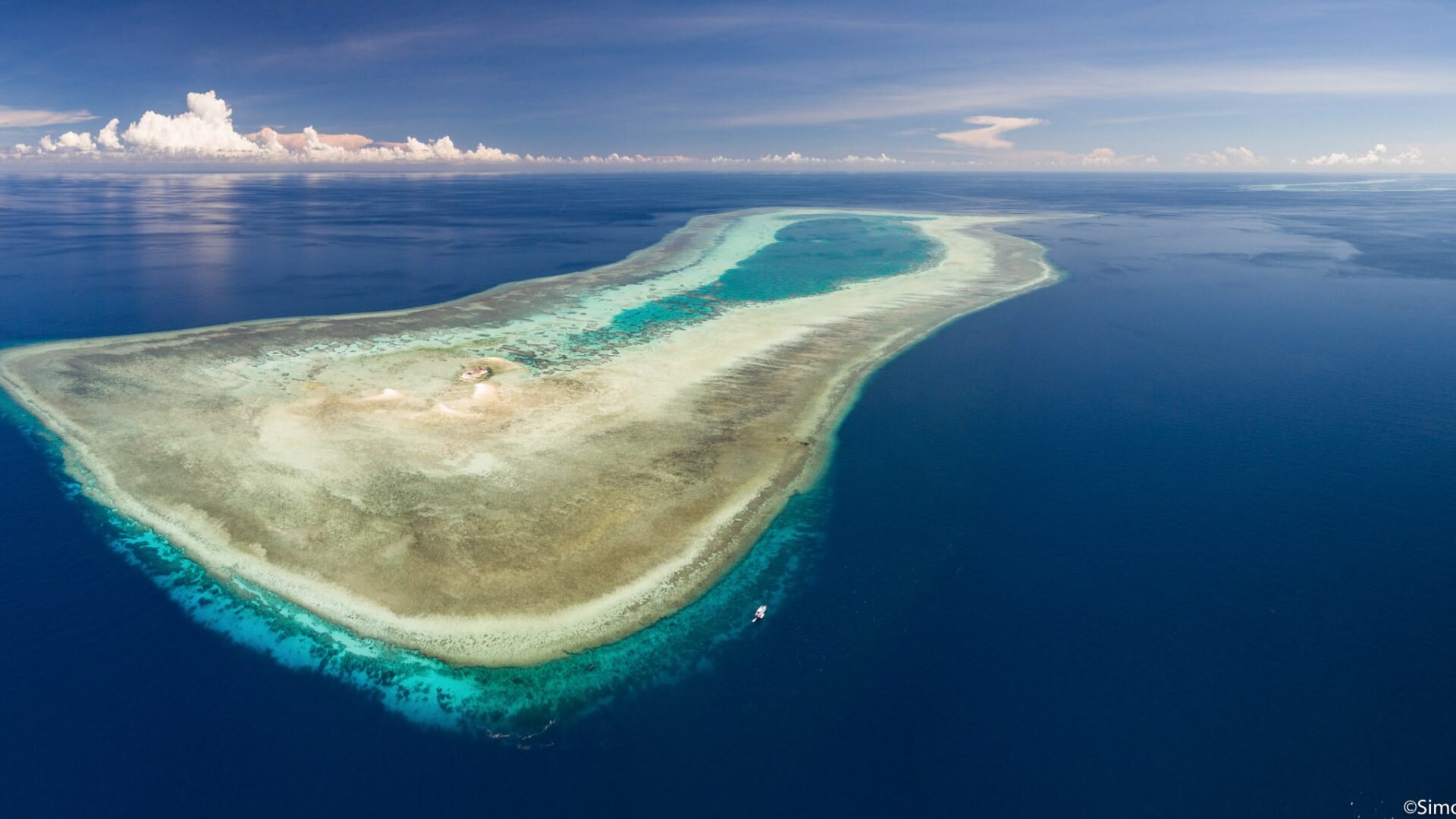
Record numbers of reef sharks found in Philippine Marine Protected Area
Scientists have found incredibly high numbers of reef sharks in Tubbataha Reefs Natural Park (TRNP), Philippines. The numbers are higher than most other marine protected areas (MPAs) around the world and highlight the importance of large, well-managed marine protected areas like TRNP for the conservation of reef-associated sharks and rays. These results provide hope for shark conservation in the Coral Triangle, where many populations are in a state of decline.
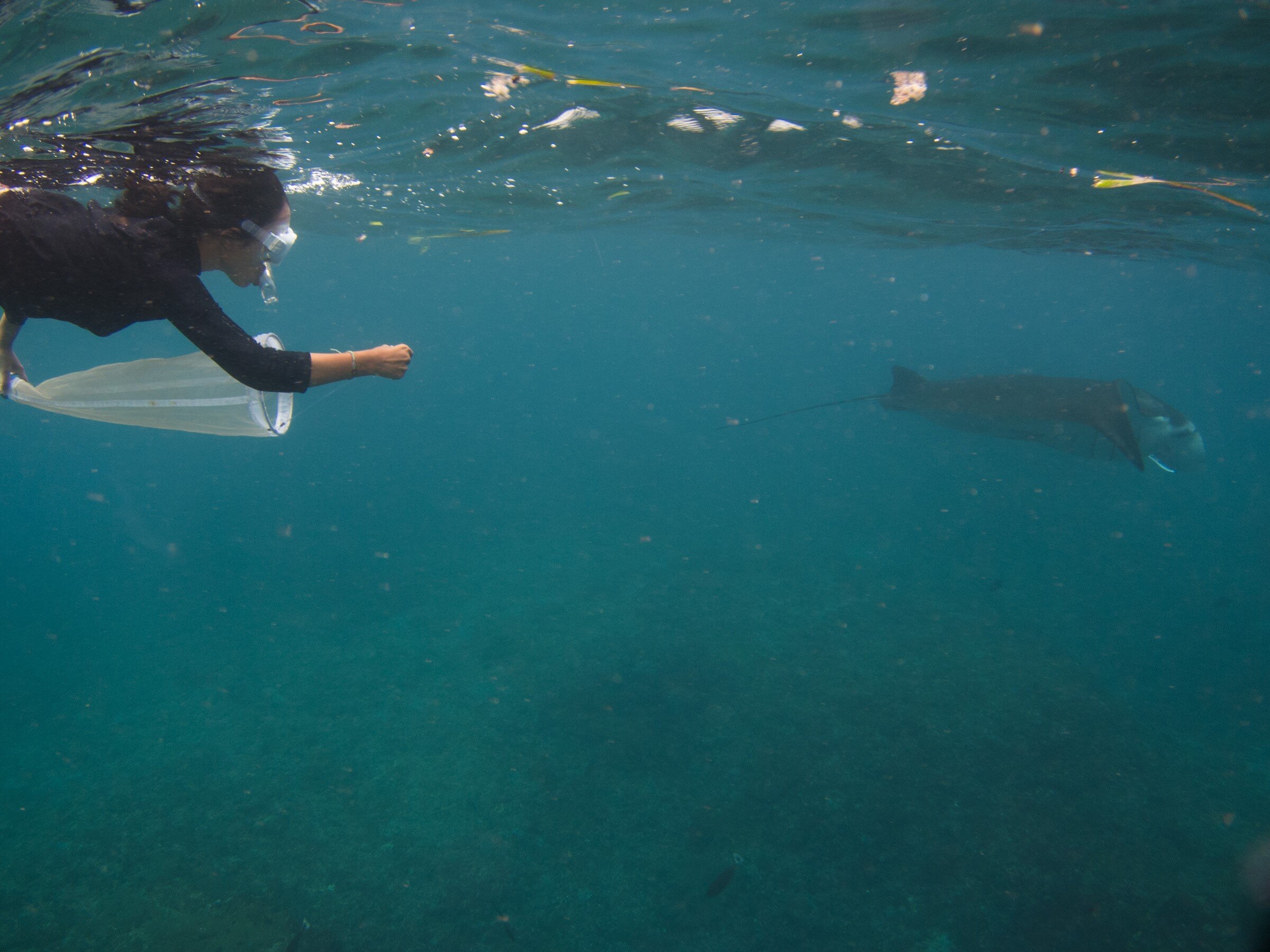
Another day of sun and sciences
Janis Argeswara and Raka Wulandari two of our interns in Nusa Lembongan, Bali give a very interesting insight into the day-to-day activities they were involved in at the Marine Megafauna Foundation.
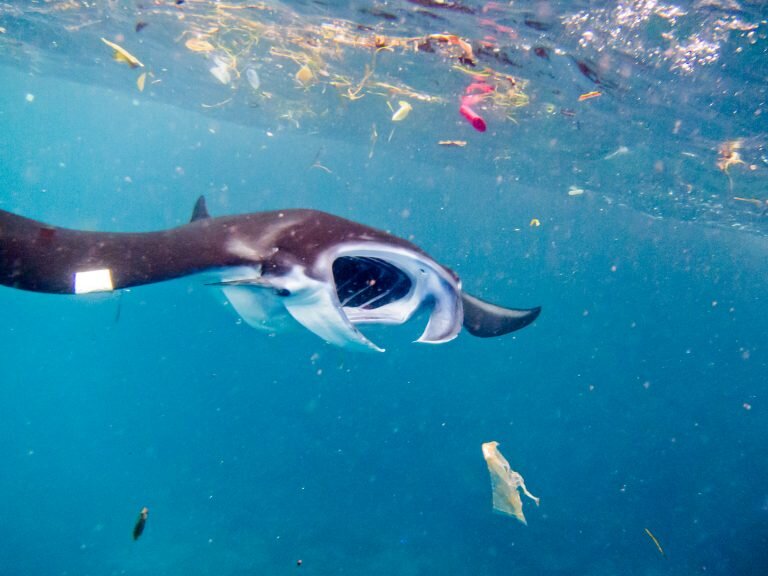
Microplastics: no small problem for filter-feeding ocean giants
Plastic pollution has recently gained increasing attention for its effects on marine mammals, fish, and birds. However, it is still not fully understood to what extent small pieces of plastic, known as microplastics, impact marine life and ecosystems.
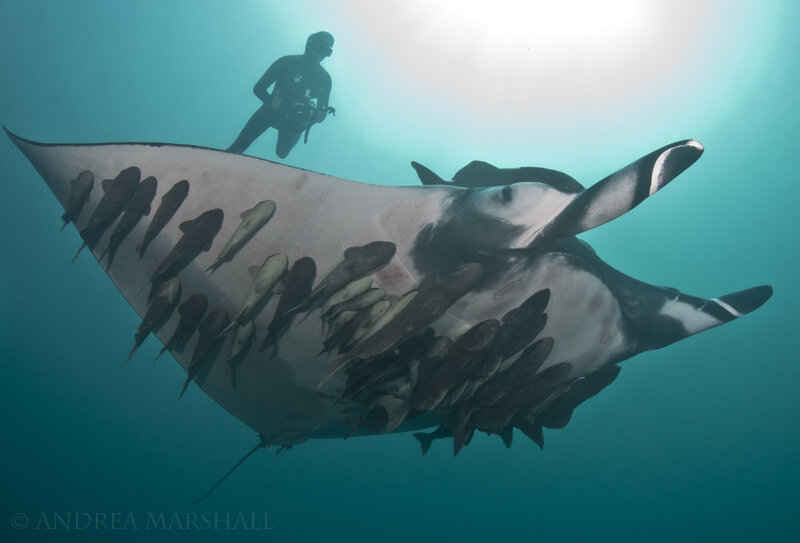
Giant manta ray muscles reveal feeding behaviors
Samples of muscle tissue from giant manta rays are helping researchers to better understand the elusive species’ feeding habits, and how they might be impacted by fishing activity and climate change.
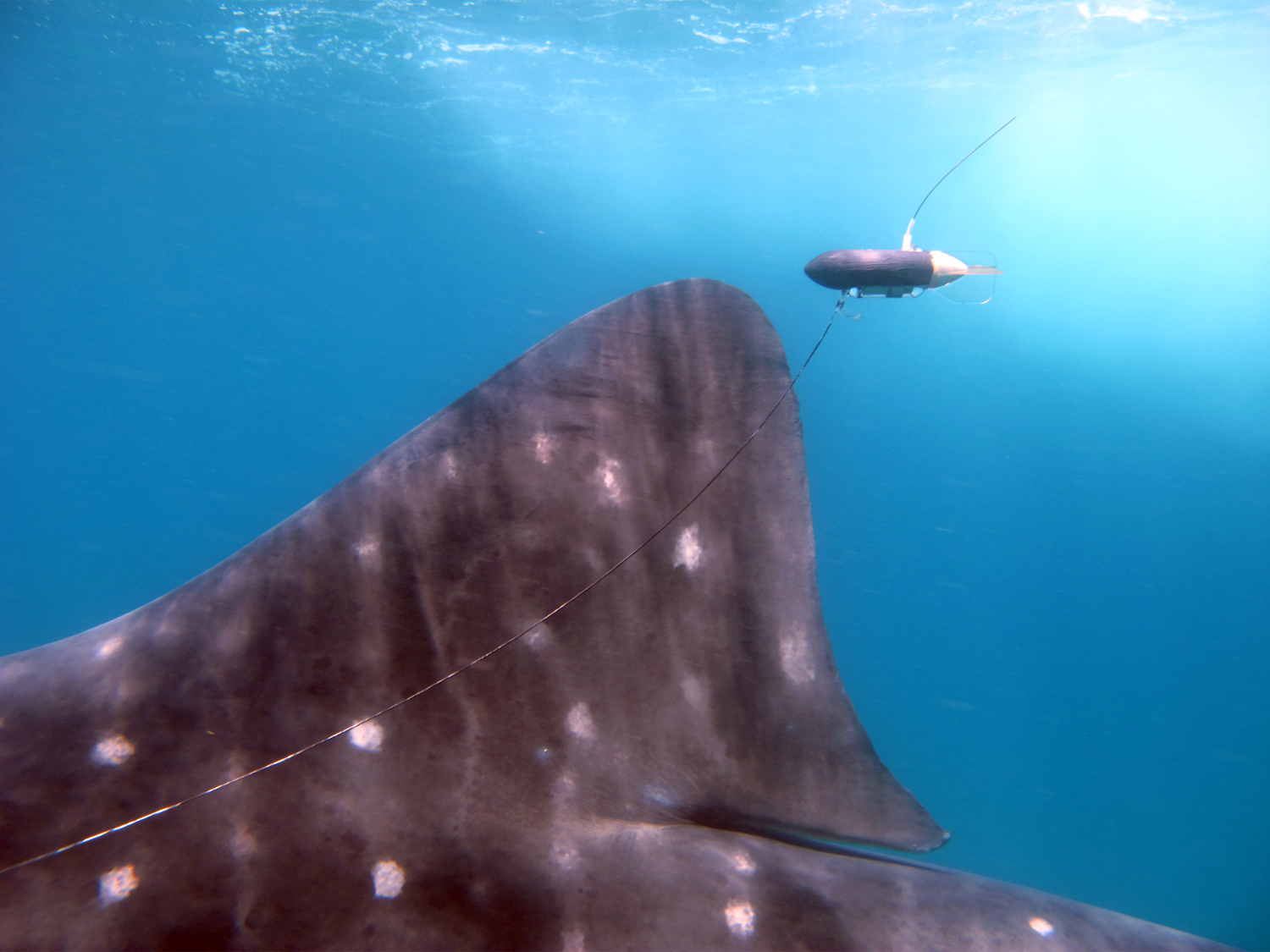
Satellite tagging Mozambican whale sharks
MMF Principal Scientist Chris Rohner has led a groundbreaking study into preferred whale shark habitats using ‘robot sharks’ and comparing their digital movements to the movements of real whale sharks. Chris and his team found that the real whale sharks preferred the coastal waters of southern Mozambique (between Závora, Tofo, and Pomene), where the water was cooler, richer in chlorophyll-a, and shallower than in the semi-randomly moving robot sharks
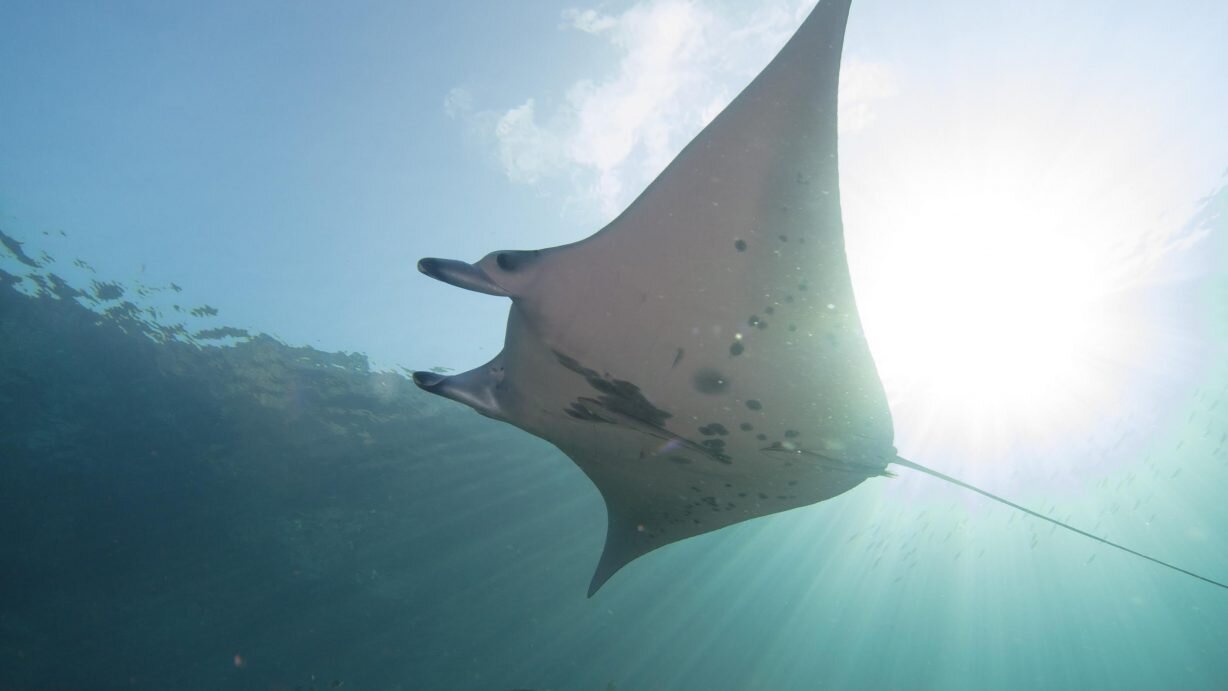
Curating one of the largest manta ray databases in the world
It is a truly exciting time for MMF
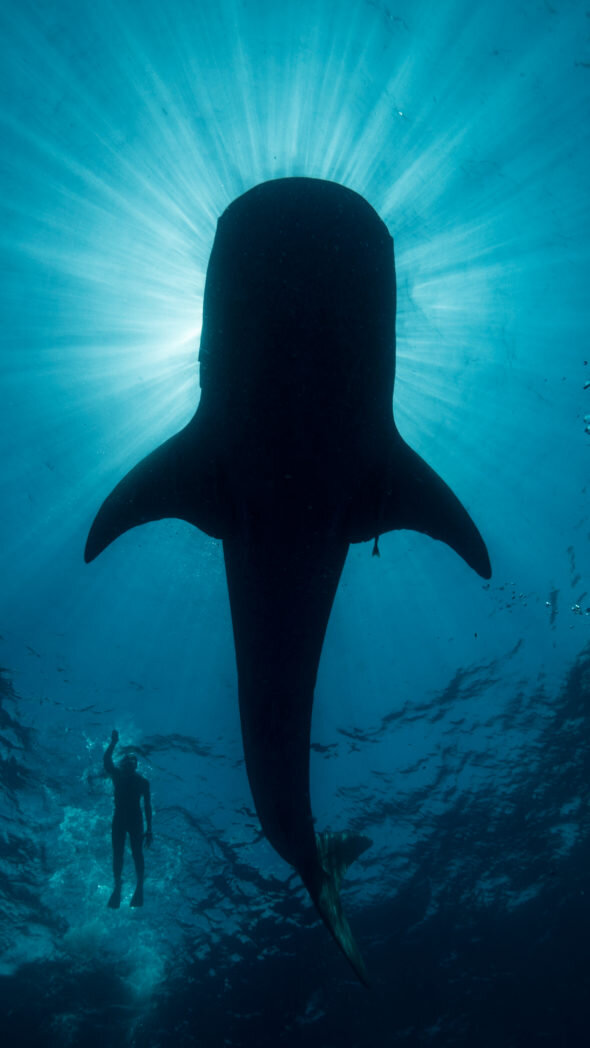
Where is the largest constellation of whale sharks in the world?
MMF Principal Scientist, Dr Chris Rohner, hosted two Aqua-Firma groups on a whale shark research and photography trip to Mexico in July/August 2017. Together with our local collaborator, Rafael de la Parra from Ch’ooj Ajauil, we conducted eight boat surveys to the world’s largest known aggregation of whale sharks east of Isla Contoy on the Yucatán Peninsula. There, whale sharks come together to feed on fish eggs, and in the past over 400 individual sharks were counted in one spot from the air.
Wealthier Nations Host Healthier Reef Shark Populations Amid Sharp Declines
A Global FinPrint study found 60–73% declines in five common reef shark species worldwide. The results also show that strong fisheries management and well-enforced marine protected areas can support healthier populations.
No stories carry that topic yet.