
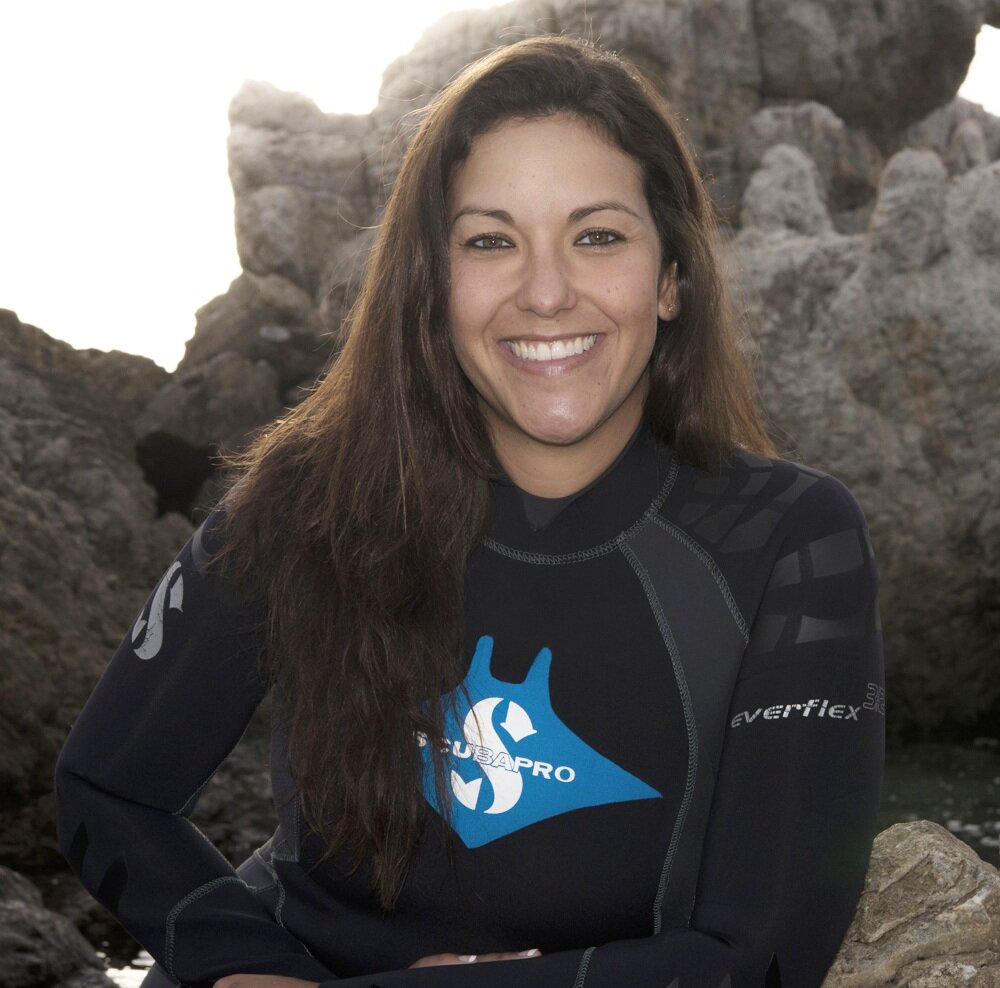
Dr. Andrea Marshall co-founded the Marine Megafauna Foundation and is widely recognized as a world expert on manta rays. She was the first person to complete a PhD on manta rays, and her research showed that what had been considered a single global manta ray species was in fact multiple species, a discovery that reshaped manta ray science and conservation. She stayed in Mozambique after her thesis to pioneer manta ray research and conservation in the region and globally, was named a National Geographic Emerging Explorer in 2013, and featured in the BBC documentary “Andrea: Queen of Mantas.” Dr. Marshall has been on extended medical leave since early 2024; her pioneering research and conservation initiatives continue to guide MMF’s work.
Research Interests
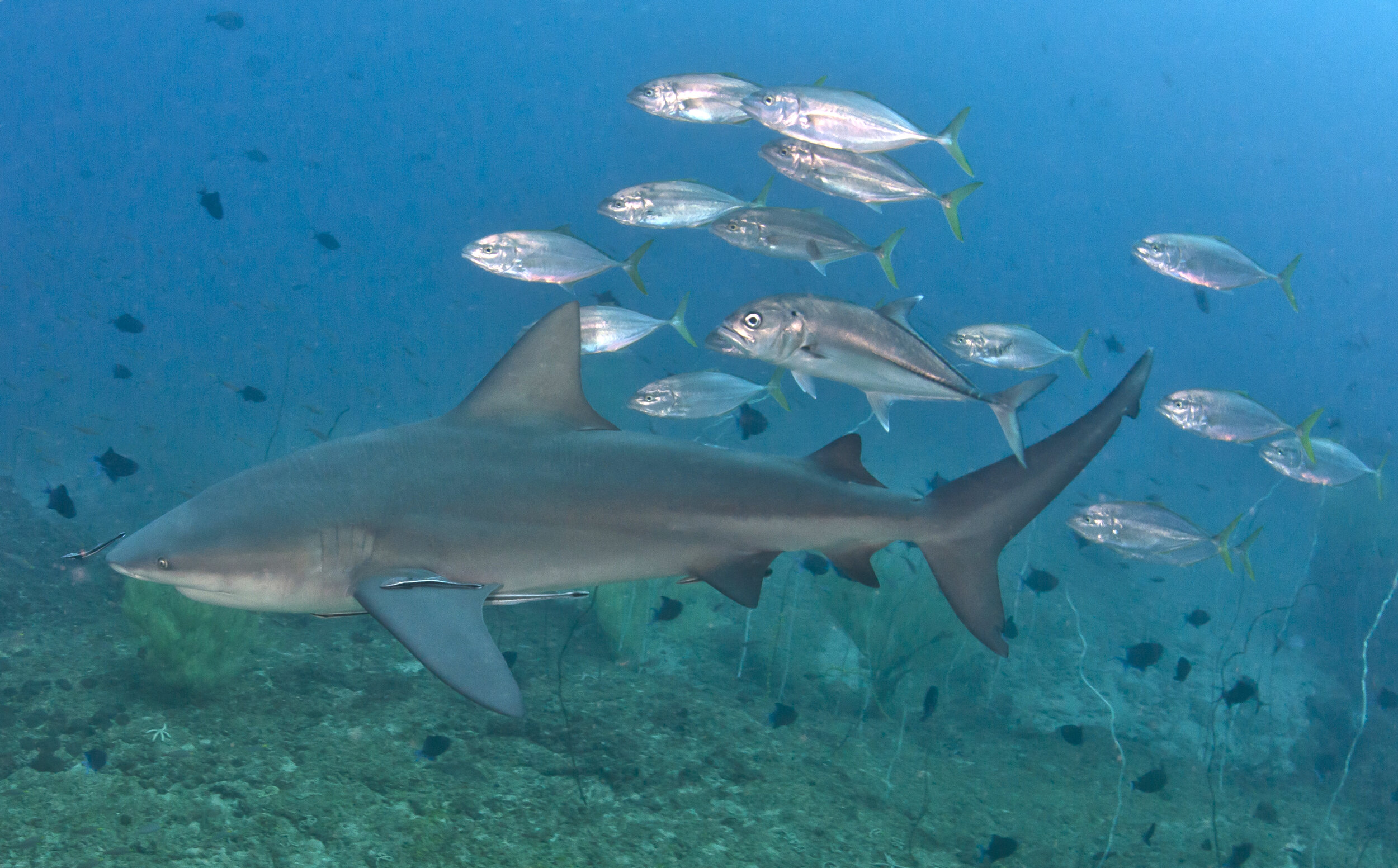
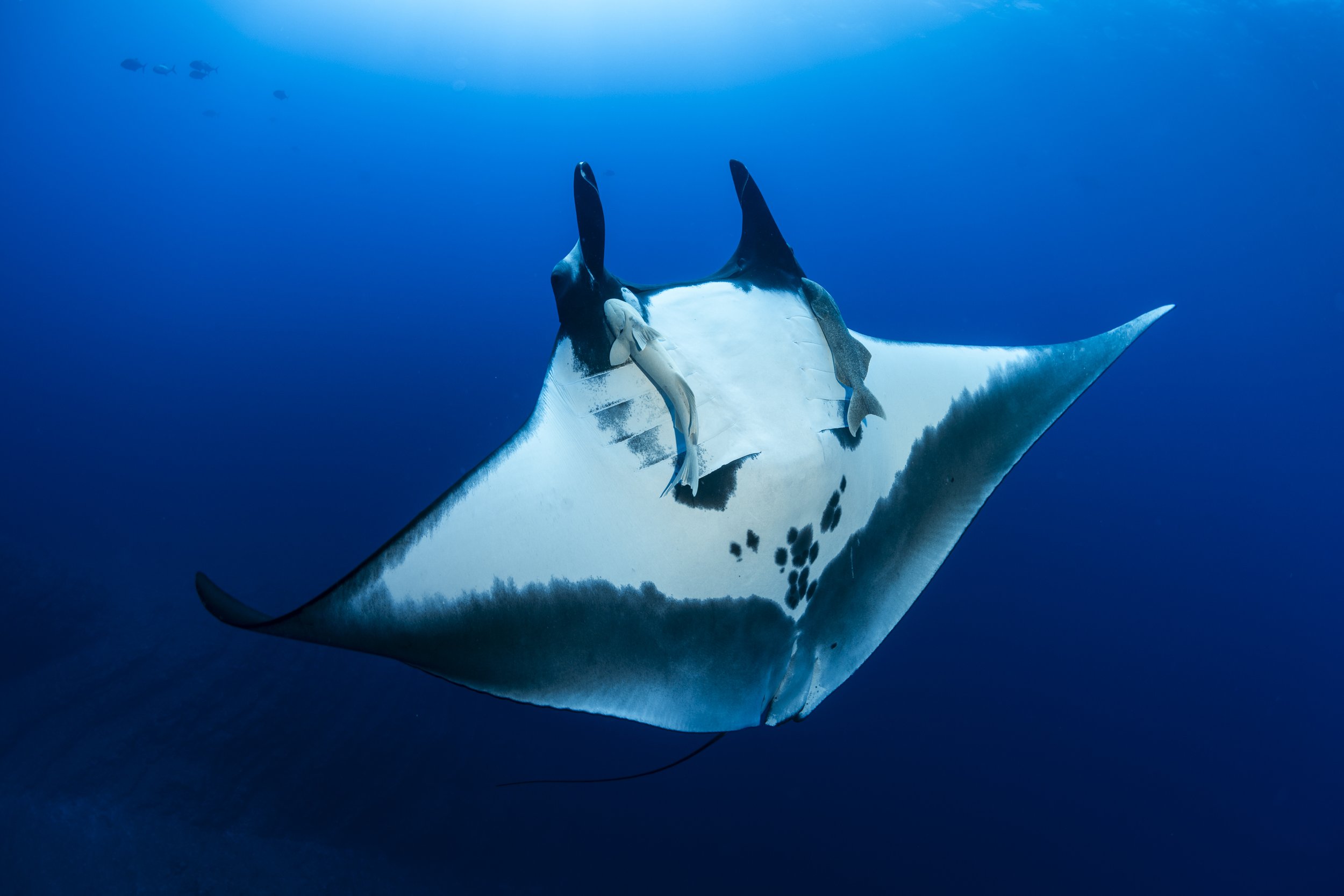
As a conservation biologist, Andrea focused predominately on research questions related to the effective management and conservation of threatened marine animals. Her team worked on manta rays globally, in areas we have determined to be of extraordinary conservation value. They collected baseline data on these focal populations, while additionally studying aspects of their biology, reproductive ecology, habitat use, migrations, and social behavior. In Mozambique, Andrea also managed a team which studied other species of elasmobranchs in southern Mozambique, including endangered wedgefish, mobula rays, and leopard sharks, species that are data deficient such as the smalleye stingray, and important reef predators in the region, like bull sharks.
Education
Andrea did her undergraduate degree in the United States at the University of California Santa Barbara. After that she moved to Australia and did her post graduate work at the University of Queensland. Andrea’s PhD focused on the biology and ecology of manta rays living off the coast of southern Mozambique. After completing her thesis she stayed on in Mozambique and she and Simon Pierce formed the Marine Megafauna Foundation to continue their important work along the coastline.
Biography
Andrea has always been passionate about the ocean. Learning to dive at a young age, Andrea got certified on her twelfth birthday and, almost 10,000 dives later, led research programs all over the world for MMF as one of the organization’s principal scientists. Andrea directed MMF’s global manta ray department and MMF’s threatened species program in southern Mozambique. As one of MMF’s co-founders, Andrea also worked at an executive level within the organization.
Andrea spent most of her time in the field. During her 20-year research career she has traveled to the ends of the globe, from Brazil to Myanmar, mainly as a scientist but also as a semi-professional underwater photographer, her other great passion. She has visited over 45 countries and been fortunate enough to pioneer the exploration of many remote coastlines.
Andrea’s passionate commitment to the eastern African coast has ultimately shaped her goals as a conservation biologist. Having worked in Africa for the last 20 years she realizes that research alone will not protect our ocean giants here. To that end she has dedicated her life to the development of a large-scale network of marine protected areas along the Mozambican coastline and hopes to use MMF’s science to inform the management strategies being developed for marine megafauna in the country. She is confident this will become one of the most important marine protected areas in Africa, the equivalent of Africa’s Marine Serengeti.
MMF programs Andrea directed
Global Manta Ray Program
-
Florida Manta Ray Program
-
Southern Mozambique Manta Ray Program
-
Indonesian Manta Ray Program
-
Andaman Sea Manta Ray Program
Threatened Species Program (Mozambique)
-
Devil Ray Project
-
Bull Shark Project
-
Wedgefish Project
-
Leopard Shark Project
-
Smalleye Stingray Project
-
Elasmobranch Census Project
Media
Queen of the Mantas | Waterbear
Ray of Hope | Alert Diver
Meet the Scientist Snapping Selfies With Giant Manta Rays | WIRED Magazine
So You Want to Be a Marine Biologist? | Gapyear
Manta ray news
BryantTurffs.jpg)
259 Key Shark and Ray Habitats Mapped Across North America
Underwater Ultrasound Confirms Pregnancy in Wild Giant Manta Rays
Reef Manta Rays Cross National Borders in Southern Africa
Little of Asia's Key Shark and Ray Habitat Is Protected
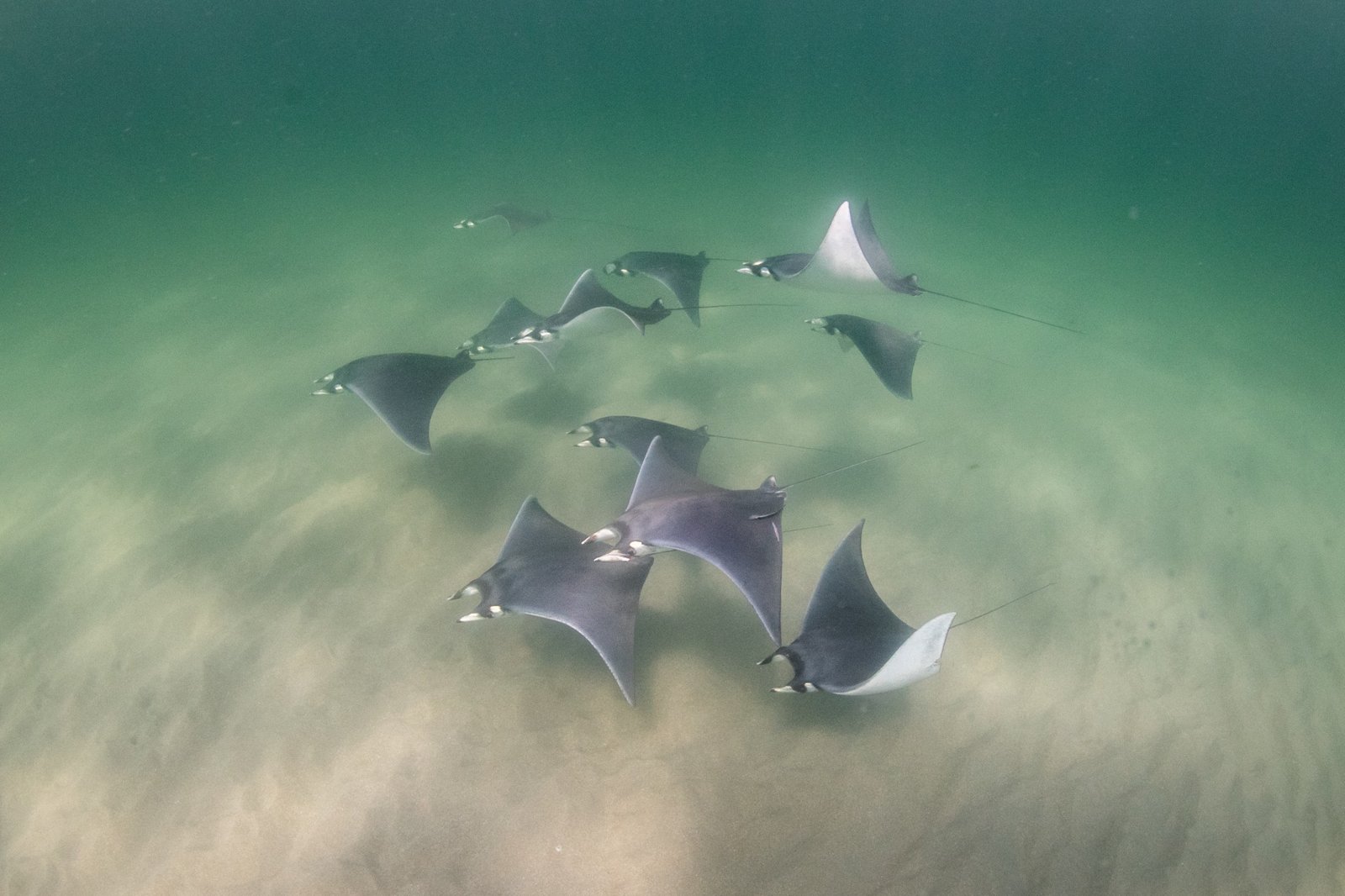
Mapping the Endangered Atlantic Pygmy Devil Ray
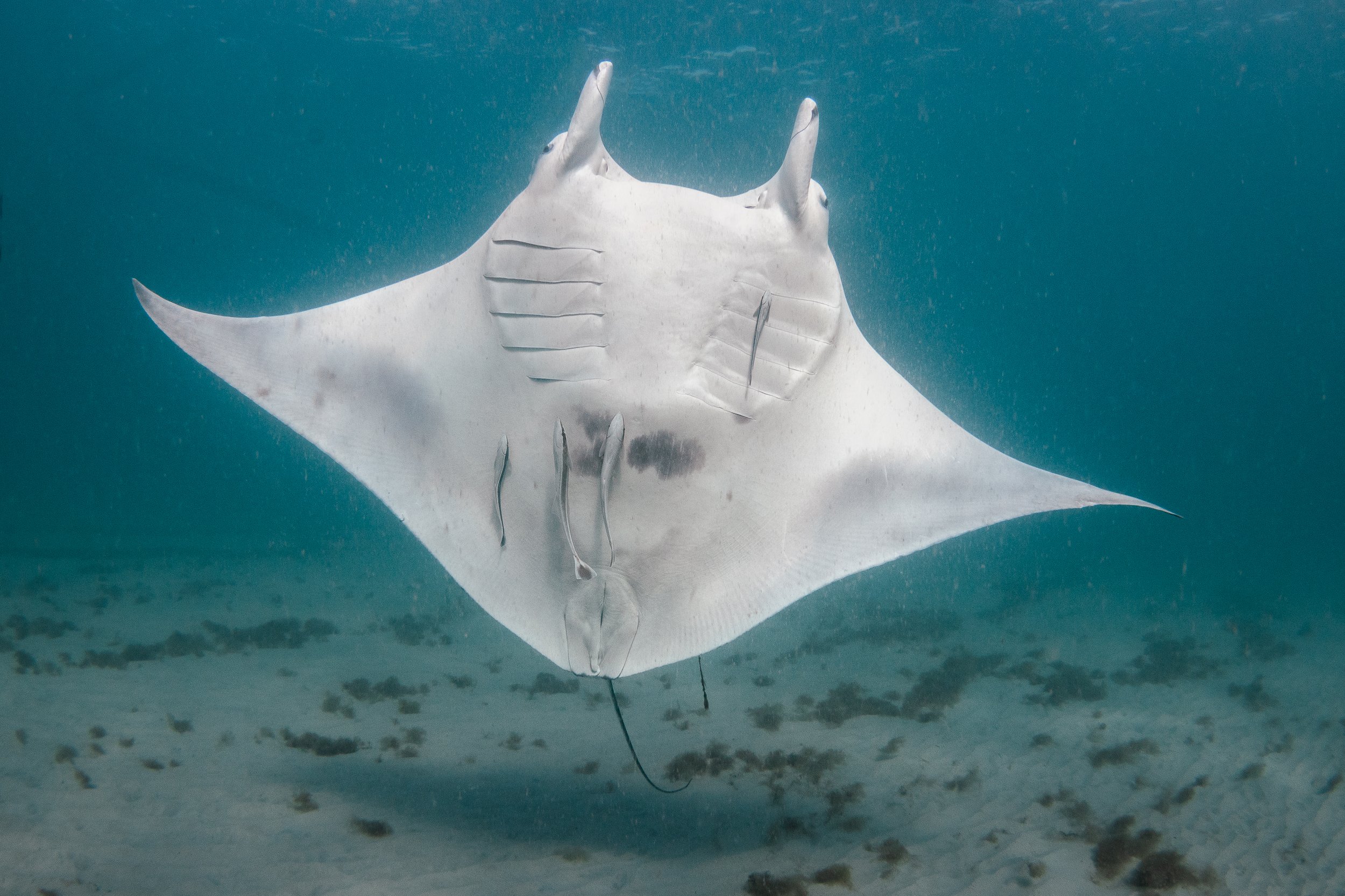
Remoras Caught Hiding Inside Manta Rays
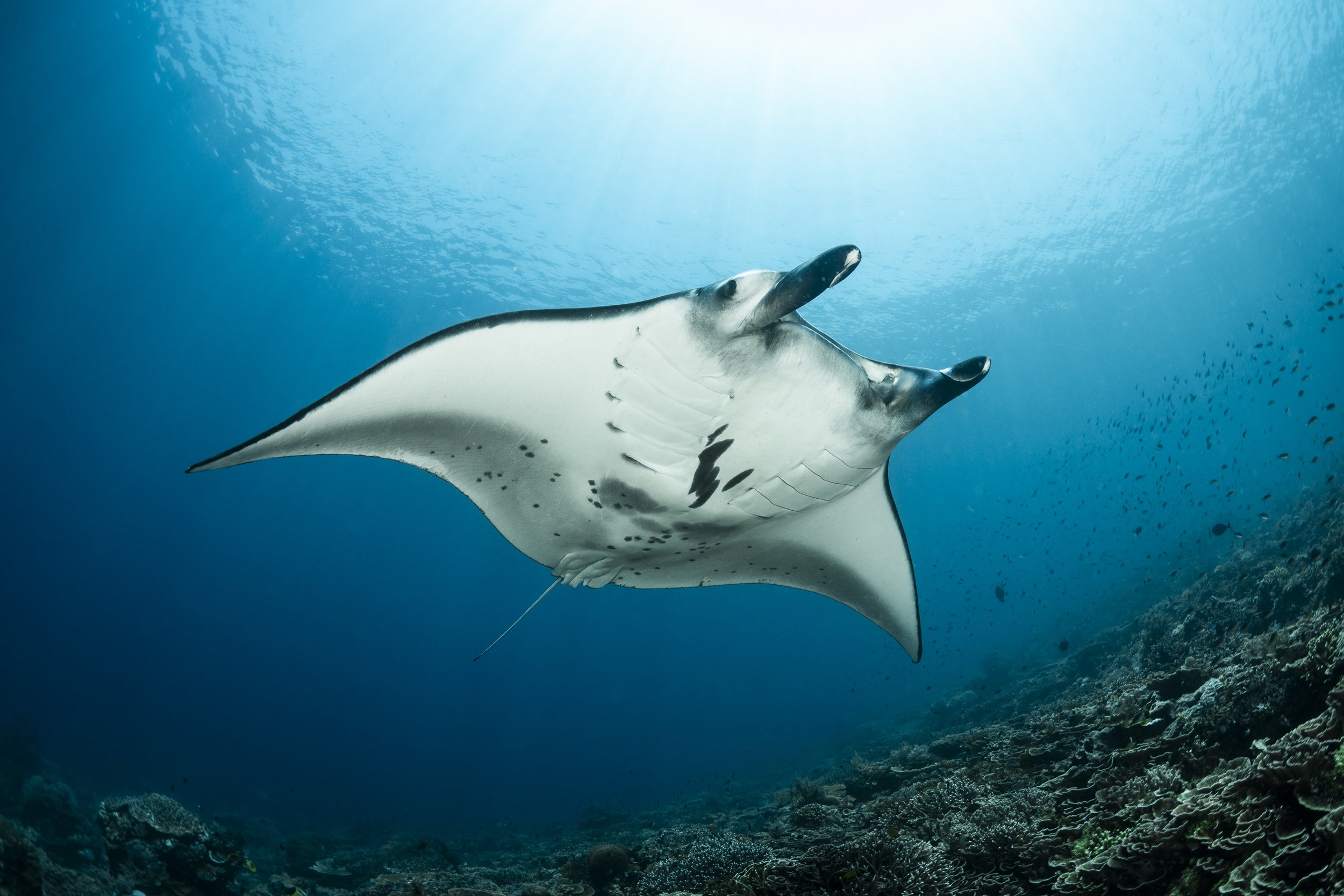
2025 Recap: From Science to Protection for Ocean Giants
Happy Manta Day!
Monthly Update for July
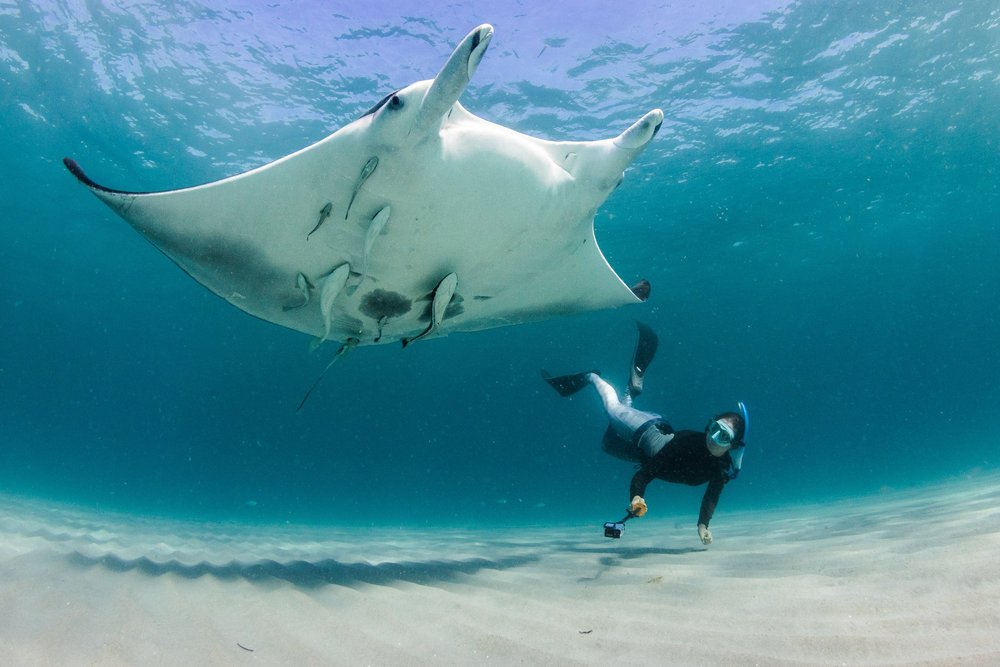
Third Manta Ray Species: Mobula yarae Discovered in Atlantic Ocean
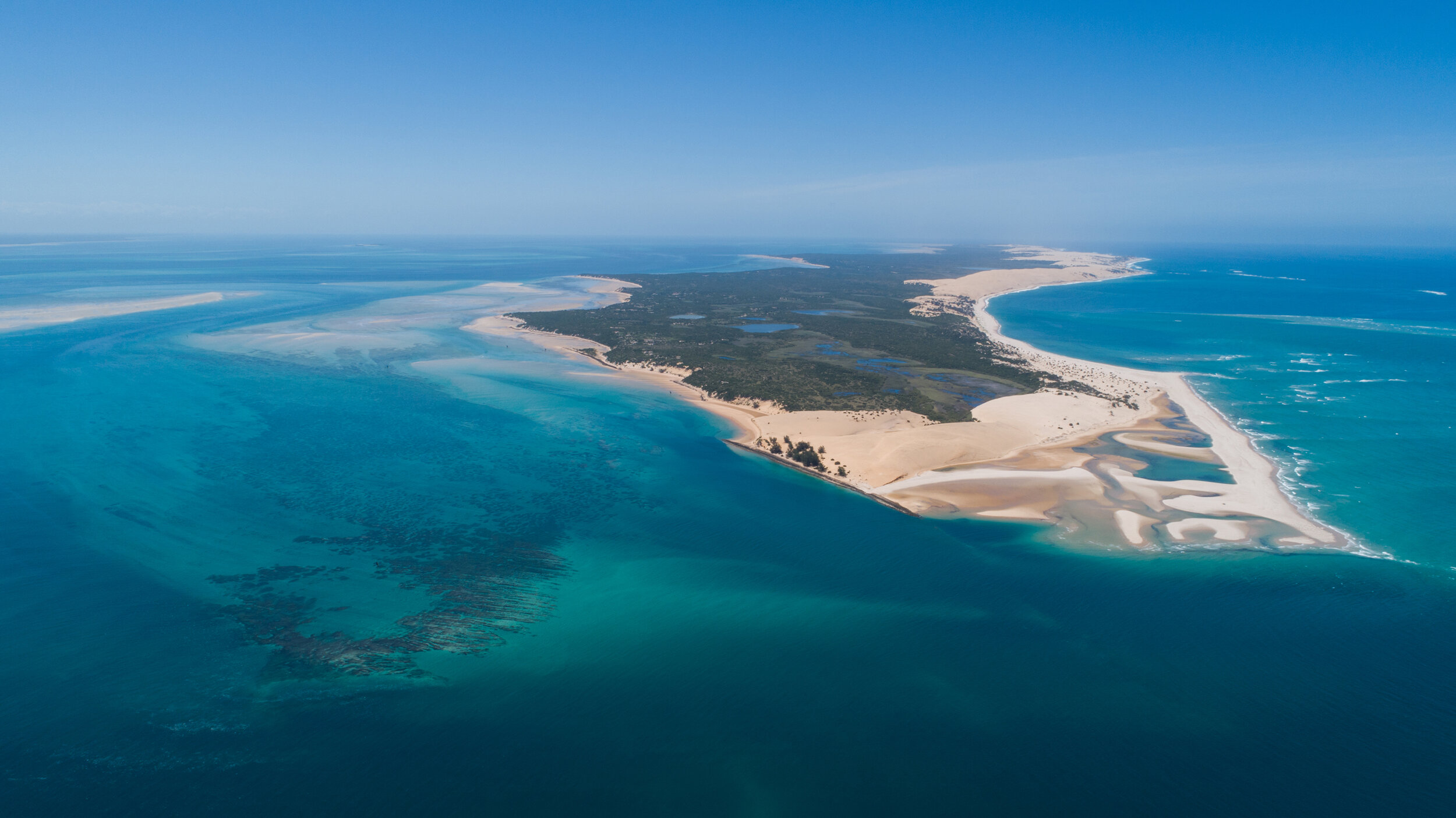
Our work in Mozambique
News featuring Andrea
Recent research
- 2026Diversity assessment of Western Indian Ocean whiprays (Himantura spp.) through a molecular species delimitation approach
- Habitat use, residency, and connectivity of bull sharks (Carcharhinus leucas) in the Bazaruto Seascape, Mozambique
- Characterisation and comparative analysis of the complete mitochondrial genomes of two whiprays, Himantura leoparda and H. uarnak, occurring in the Southwest Indian Ocean
- 2025Vulnerability of marine megafauna to global at-sea anthropogenic threats
- A 15-year time series shows major declines in whale sharks in southern Mozambique
- An integrative taxonomy investigation unravels a cryptic species of Mobula Rafinesque, 1810 (Mobulidae, Myliobatiformes), from the Atlantic Ocean
- Preliminary insights into manta ray (Mobula alfredi and M. birostris) population demographics and distribution in South Africa
- 2024Killer whale predation on a giant manta ray (Mobula birostris), a sicklefin devil ray (Mobula tarapacana) and a tiger shark (Galeocerdo cuvier) in the Southwest Indian Ocean
- Persistent declines in sightings of manta and devil rays (Mobulidae) at a global hotspot in southern Mozambique
- Directed conservation of the world’s reef sharks and rays